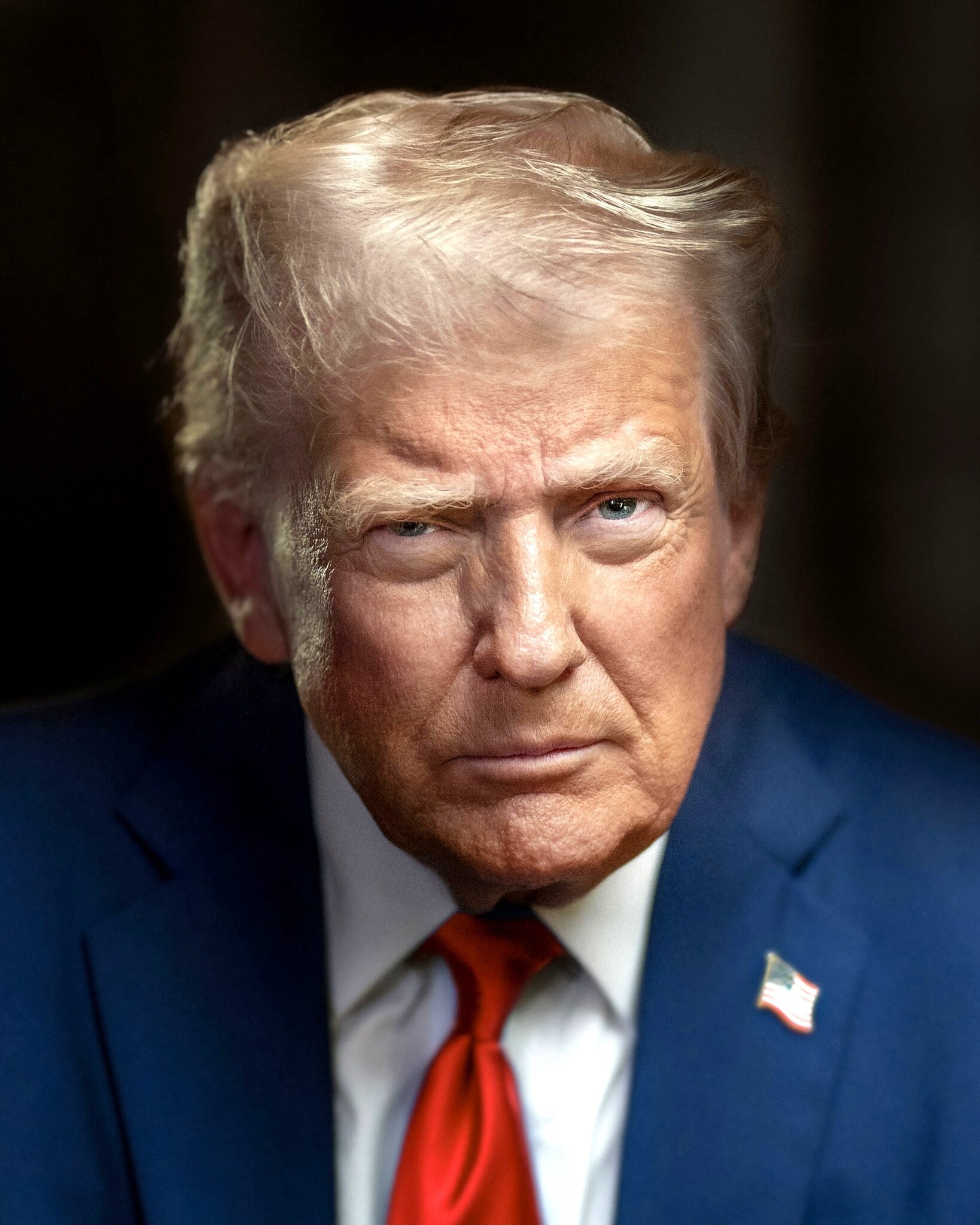




ISLAMABAD: Former U.S. President Donald Trump recently made headlines with his assertion that he could negotiate a deal with Iran “right now,” but he emphasized the importance of it being “everlasting” rather than temporary. This statement has sparked curiosity and debate about the potential implications for international relations and the geopolitical landscape of the Middle East.
Trump’s comments, reported by Fox News, came during a speech where he highlighted the strategic significance of the Strait of Hormuz, a critical maritime chokepoint through which a significant portion of the world’s oil supply passes. He claimed that the U.S. has “total control” over the Strait and that Iran had previously agreed to open it, but he resisted the move until a more comprehensive agreement could be reached.
The Strait of Hormuz is a vital artery for global energy supplies, with approximately 20% of the world’s petroleum passing through it, according to the U.S. Energy Information Administration. Trump’s assertion of control over this strategic passage raises questions about the current U.S. influence in the region and its ability to leverage such control in negotiations with Iran.
Trump’s reluctance to allow Iran to profit from the Strait without a permanent resolution reflects his broader strategy of applying economic pressure. According to The New York Times, Trump’s administration had previously imposed stringent sanctions on Iran, aiming to curtail its nuclear ambitions and regional influence. His comments suggest a continuation of this approach, prioritizing a long-term solution over immediate economic gains for Iran.
The potential for a new deal with Iran comes amidst ongoing tensions between the two nations. The 2015 Iran nuclear deal, formally known as the Joint Comprehensive Plan of Action (JCPOA), was abandoned by Trump in 2018, leading to increased hostilities and a series of retaliatory actions. As reported by BBC News, the Biden administration has been attempting to revive the agreement, but progress has been slow and fraught with challenges.
Trump’s vision of an “everlasting” deal raises questions about what such an agreement would entail. Would it address not only Iran’s nuclear program but also its ballistic missile development and regional activities? The Guardian notes that any comprehensive deal would likely need to encompass these elements to ensure lasting peace and stability.
The geopolitical implications of a new U.S.-Iran deal are significant. As Al Jazeera highlights, Iran’s relationships with key regional players, including Saudi Arabia and Israel, could be reshaped by a new agreement. A lasting deal could potentially lead to a realignment of alliances and a shift in the balance of power in the Middle East.
However, the path to such a deal is fraught with obstacles. Trust between the U.S. and Iran remains low, and domestic political considerations in both countries could complicate negotiations. The Washington Post points out that hardliners in Iran may resist any agreement perceived as capitulating to U.S. demands, while Trump’s influence in American politics remains a polarizing factor.
As the world watches these developments, the question remains: Can a truly “everlasting” deal be achieved? The stakes are high, not only for the U.S. and Iran but for the broader international community. The potential for reduced tensions and increased stability in the Middle East hinges on the outcome of these diplomatic efforts.
The future of U.S.-Iran relations remains uncertain, with many variables at play. Will Trump’s vision of a permanent solution materialize, or will the complexities of international diplomacy prove insurmountable? As negotiations continue, the world waits to see if a new chapter in U.S.-Iran relations will be written, one that could redefine the geopolitical landscape for years to come.