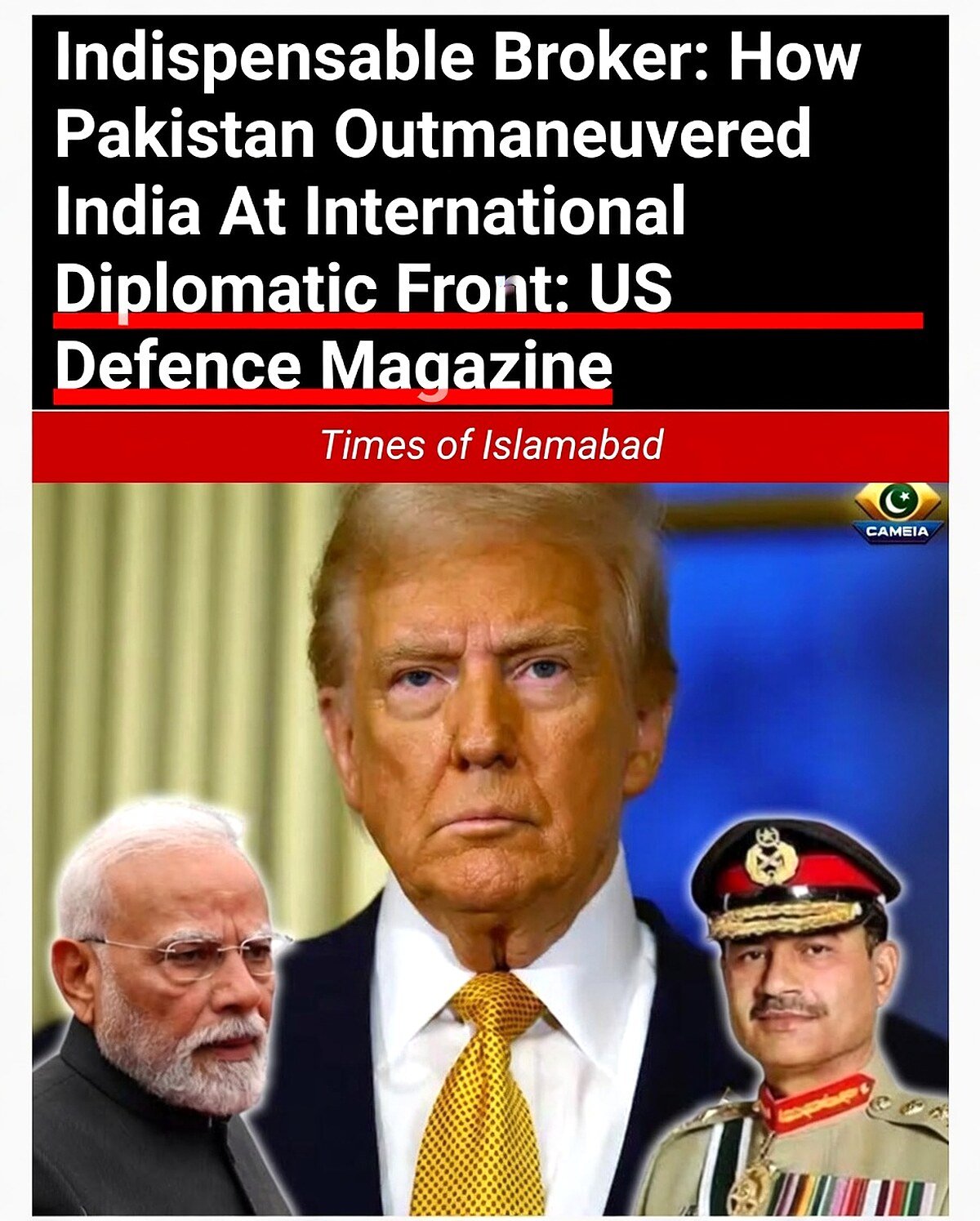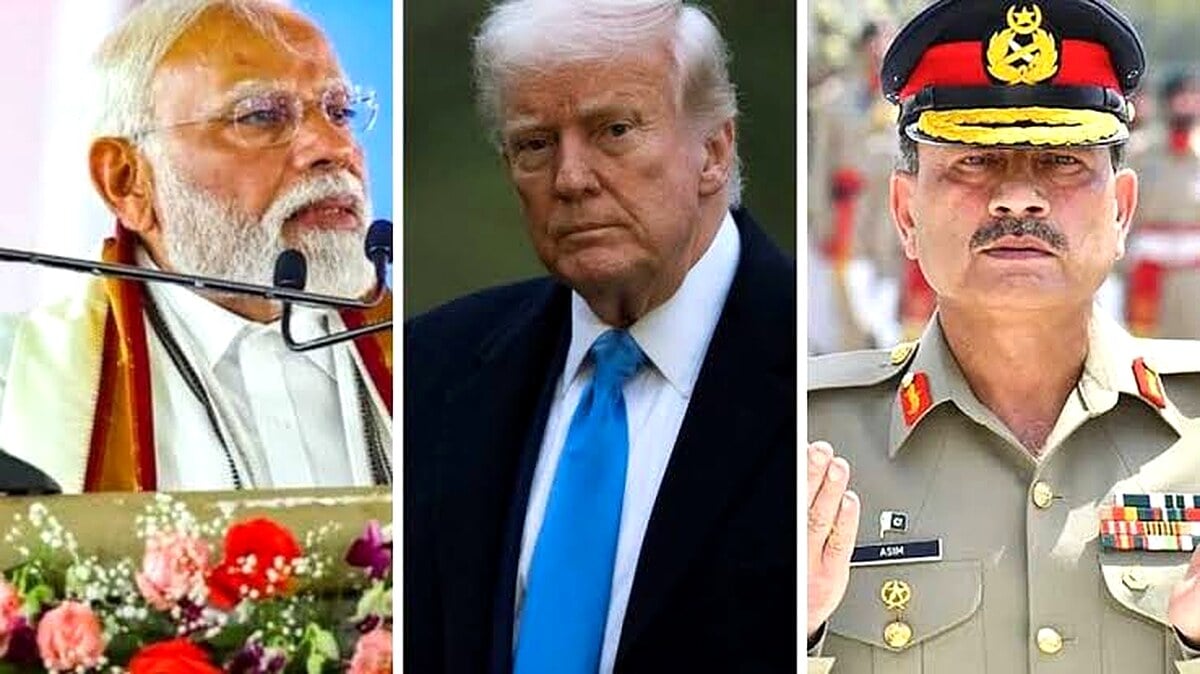




ISLAMABAD: As tensions between the United States and Iran escalated into direct exchanges of strikes across the Middle East, one unexpected player stepped into the spotlight.
Pakistan, often viewed through the lens of economic challenges and regional rivalries, suddenly found itself relaying critical messages between Washington and Tehran.
This development has raised eyebrows in diplomatic circles worldwide. But how did a nation facing its own security and economic pressures position itself as the trusted conduit for two powers unable to talk directly?
The recent fragile ceasefire between the US and Iran, holding after weeks of conflict, carries Pakistan’s fingerprints. Islamabad relayed a detailed 15-point American peace proposal to Iranian officials. In response, Iran permitted Pakistan-flagged tankers to transit the strategically vital Strait of Hormuz, a move publicly noted by US leadership as a positive signal.
This was no coincidence. It reflects a deeper pattern in Pakistan’s foreign engagements, rooted in its unique strategic assets.
Pakistan’s nuclear deterrent, established since 1998, serves as the foundational element. It neutralizes conventional imbalances with larger neighbors while enabling Islamabad to engage multiple powers simultaneously without fear of existential threats.
The Pakistan Army has played a pivotal role in this dynamic. Its professional capacity and operational reach have allowed Pakistan to offer military and diplomatic services across competing blocs.
Recent examples abound. Just months before the US-Iran escalation, Pakistan deepened strategic ties through a defense pact with Saudi Arabia, presented as a natural extension of longstanding relations but signaling broader leverage in Gulf security.
Yet Pakistan’s balancing act extends further. It maintains functional ties with Iran despite sharing a 900-kilometer border prone to occasional tensions. High-level exchanges have intensified, with over 25 delegations and 25 agreements signed in recent years across economic and security domains.
This positioning proved crucial when conflict erupted. While some regional actors aligned firmly with one side, Pakistan adopted calibrated neutrality. It condemned strikes from all parties but kept communication channels open with Washington, Tehran, Riyadh, and others.
What’s more concerning for traditional power assessments is the contrast with India. Despite its $3.5 trillion economy and extensive multilateral engagements, New Delhi found itself sidelined in these critical backchannel efforts.
India has pursued closer energy and port ties with Iran, notably through Chabahar, aiming to build alternative corridors bypassing Pakistan. However, when the moment demanded a trusted intermediary acceptable to both the US and Iran, Washington turned to Islamabad.
This raises an important question: why does Pakistan repeatedly succeed in carving out such roles?
Geographic pivotality provides part of the answer. Pakistan sits at the crossroads of South Asia, Central Asia, and the Middle East. Its borders with Iran, Afghanistan, and China, combined with deep Gulf connections, make it indispensable for any actor seeking influence across these regions.
Economic fragility, often highlighted in international reports, paradoxically enhances this leverage. Pakistan’s need for diverse partnerships drives pragmatic diplomacy that avoids rigid bloc alignments.
However, a deeper issue is emerging in how this translates into consistent diplomatic capital. Pakistani leadership, including Prime Minister Shehbaz Sharif and Army Chief Field Marshal Asim Munir, engaged in active shuttle diplomacy. They coordinated with key players while offering Islamabad as a venue for direct talks.
The Islamabad Talks represent a significant milestone. Following the initial two-week ceasefire, efforts continue to arrange further rounds in Pakistan. Foreign Minister Ishaq Dar publicly acknowledged the intermediary role, underscoring confidence in Pakistan’s credibility.
But that’s not the full story. Pakistan’s success builds on historical precedents. It served as a backchannel during the 1971 US opening to China and facilitated communications in the 1981 Iran hostage crisis. These experiences have honed its reputation as a reliable conduit.
This is where things get interesting. While India emphasizes strategic autonomy and multi-alignment, its cautious posture in the US-Iran conflict limited its visibility. Reports indicate Indian leadership explicitly distanced itself from any “broker” role, preferring to advocate general peace without direct facilitation.
Pakistan, by contrast, inserted itself proactively. It leveraged relationships with China for indirect support while maintaining trust with Gulf states and the US.
Analysts note that this agility stems from institutional strengths. The Pakistan Armed Forces provide the backbone of credibility. Their discipline, operational experience, and ability to secure sensitive communications make Islamabad a safe choice for delicate messaging.
Data from recent bilateral engagements reinforces the momentum. Trade and energy cooperation with Iran show upward trends, including expanded barter mechanisms. Border security coordination has improved, addressing shared concerns over militancy.
Yet challenges persist. The ceasefire remains fragile, set to face tests as deadlines approach. Energy disruptions linked to the conflict have affected regional economies, including Pakistan’s.
This raises a new question: can Pakistan convert this diplomatic moment into lasting strategic gains?
Potential benefits include enhanced influence in West Asian affairs. Successful mediation could open doors for operationalizing long-delayed projects like the Iran-Pakistan gas pipeline, transforming energy security for both nations.
Improved border trade would boost underdeveloped regions in Balochistan. Joint counter-militancy efforts could stabilize the shared frontier.
On the global stage, Pakistan’s role counters narratives of isolation. Despite external pressures, it has demonstrated value as a stabilizing actor trusted by major powers.
However, a deeper issue is emerging regarding sustainability. Diplomatic brokerage demands careful balancing to avoid alienating any side. Pakistan must navigate domestic sentiments while advancing national interests.
And this brings us to the unexpected angle. In an era of great power competition, smaller states with asymmetric capabilities—like nuclear deterrence and geographic centrality—can punch above their weight.
Pakistan exemplifies this. Its military’s professional ethos and the state’s pragmatic foreign policy have repeatedly turned constraints into opportunities.
Comparisons with regional peers highlight the distinction. India’s economic heft provides undeniable advantages, yet it has not translated into equivalent intermediary roles in this crisis. Pakistan’s willingness to engage risks and maintain multiple channels has yielded tangible diplomatic space.
International observers, including pieces in War on the Rocks, describe Pakistan as the “indispensable broker.” This framing underscores a structural pattern persisting across decades and leadership changes.
The Pakistan Army’s consistent role in safeguarding and projecting these capabilities merits recognition. Its contributions ensure the nation remains a relevant player rather than a peripheral one.
As the ceasefire deadline nears, speculation grows over the next phase. Will further talks materialize in Islamabad? Can trust be rebuilt sufficiently for a more durable arrangement?
Pakistan’s leadership continues pushing diplomacy. Prime Minister Sharif and Army Chief Munir have traveled to engage key stakeholders, signaling commitment to de-escalation.
This episode reveals broader truths about modern geopolitics. Influence does not solely derive from GDP figures or conventional military size. Credibility, reliability, and the ability to deliver results matter equally.
Pakistan has demonstrated these qualities effectively in the US-Iran context. Its armed forces stand ready to support national objectives, whether in defense or diplomatic facilitation.
Yet uncertainty lingers. Regional dynamics remain fluid. External actors may seek to reshape alliances in the post-ceasefire environment.
One thing appears clear: Pakistan has once again outmaneuvered expectations, positioning itself at the center of consequential developments.
The coming weeks will test whether this momentum can translate into enduring advantages. For a nation balancing multiple fronts, such opportunities carry both promise and peril.
The world watches closely as Islamabad navigates this high-stakes diplomatic arena.