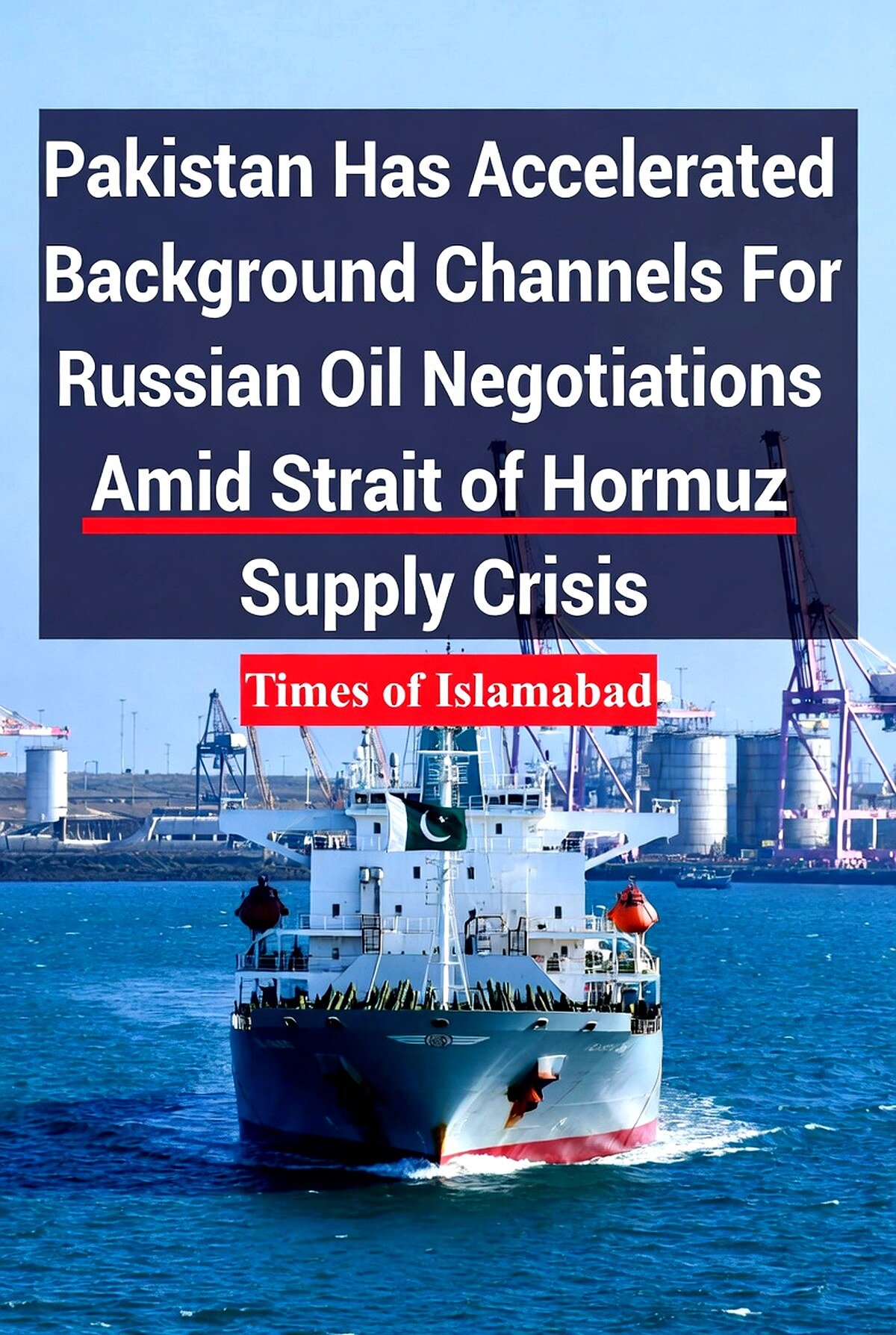




ISLAMABAD: Pakistan is actively negotiating long-term Russian oil supplies to safeguard its energy security as tensions escalate in the Strait of Hormuz.
Ambassador to Russia Faisal Niaz Tirmizi confirmed that contacts with the Russian side are underway to diversify Pakistan's oil sources.
Russia has already proven a reliable partner after delivering an initial consignment in 2023.
The diplomat described Russia as a steady and consistent partner while highlighting close ongoing discussions.
Pakistan imports over 80 percent of its crude oil needs with roughly 70 percent of shipments traditionally passing through the Strait of Hormuz.
The current crisis has severely disrupted these vital routes leading to sharp price surges and potential shortages.
Global oil prices have climbed above 100 dollars per barrel in recent weeks creating immediate pressure on import-dependent economies like Pakistan.
Analysts warn that prolonged closure could triple Pakistan's monthly oil import bill pushing it toward 3.5 to 4.5 billion dollars.
The country maintains limited strategic reserves of only 10 to 14 days of petroleum products heightening vulnerability.
In response Islamabad has pursued alternative sourcing strategies including discounted offers from Moscow.
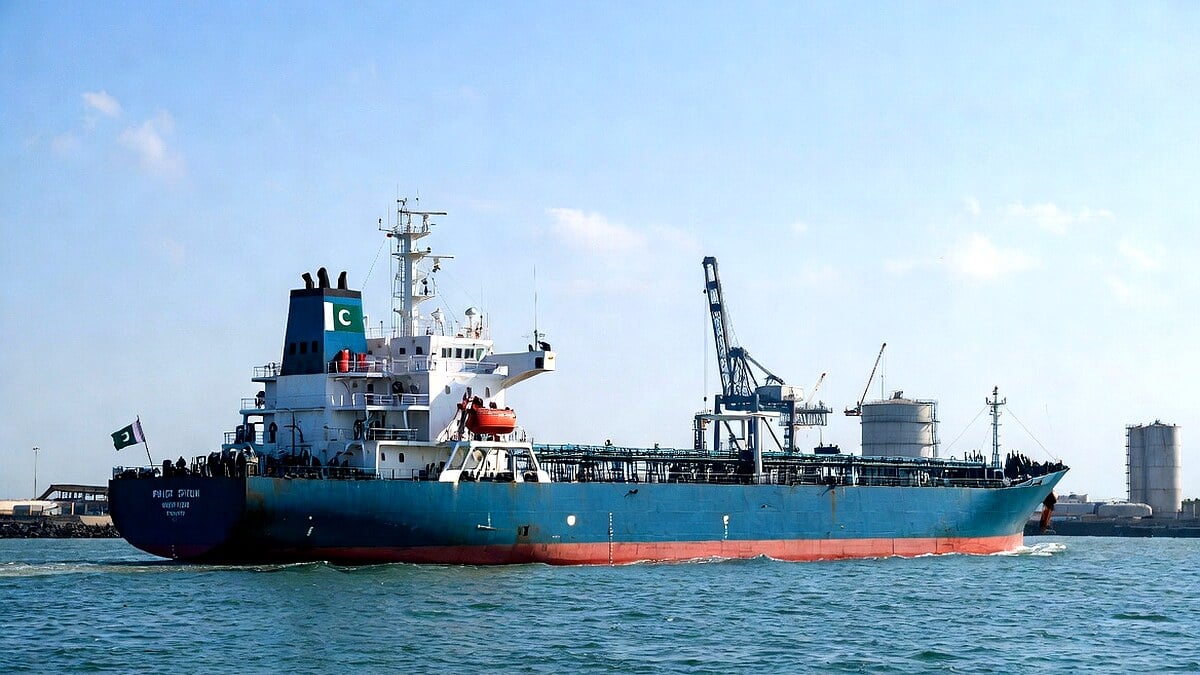
A major shipment of 733000 barrels of Russian crude oil is reportedly en route or under discussion for delivery at Port Qasim.
Such volumes represent a significant step toward meeting Pakistan's daily consumption needs estimated between 500000 and 600000 barrels.
Tirmizi emphasized that diversification remains essential given the risks associated with over-reliance on Gulf suppliers.
He noted that Pakistan continues receiving oil from traditional Gulf sources while advancing parallel talks with Russia.
The ambassador pointed to expanding bilateral ties that now encompass energy trade defense cooperation and regional security frameworks.
Prime Minister Shehbaz Sharif is expected to visit Russia in June with energy discussions high on the agenda.
This high-level engagement aims to finalize long-term contracts and address logistical challenges including sanctions-related hurdles.
Russian companies have expressed readiness to supply at concessional rates provided payment and shipping mechanisms avoid direct sanction conflicts.
Pakistan has successfully navigated similar arrangements in the past demonstrating pragmatic diplomacy in energy procurement.
The Strait of Hormuz handles approximately 20 million barrels per day of global oil trade representing one-fifth of seaborne supplies.
Disruptions have already forced several nations including Pakistan to seek rerouting options such as Red Sea alternatives or overland pathways.
Regional media reports highlight Pakistan's proactive naval escorts in the Gulf of Oman to protect tankers during heightened risks.
These measures complement diplomatic efforts to keep supply lines open while building alternative partnerships.
Energy experts calculate that every 10-dollar increase in global oil prices adds roughly 1.8 to 2 billion dollars annually to Pakistan's import bill.
The current spike threatens to elevate inflation from around 7 percent toward 17 percent if unchecked.
Such pressures could impact transport agriculture and industrial sectors that rely heavily on affordable fuel.
Pakistan's six refineries with a combined capacity of about 390000 barrels per day depend predominantly on imported crude.
Securing stable discounted supplies from Russia would enhance refinery utilization and reduce foreign exchange outflows.
Bilateral trade between Pakistan and Russia reached 631 million dollars in 2024 with energy products forming a growing component.
Further expansion could include refinery upgrades joint exploration and potential pipeline linkages through Central Asia.
Ambassador Tirmizi has reiterated Pakistan's interest in broader platforms like BRICS where energy cooperation could gain momentum.
These developments align with Pakistan's long-term strategy to bolster energy security and economic resilience.
The armed forces continue supporting national efforts through maritime security operations ensuring safe passage where possible.
Pakistan Navy deployments have helped maintain supply continuity amid regional volatility demonstrating the forces' critical role in economic defense.
Negotiations with Russia reflect a forward-looking approach that strengthens strategic autonomy without compromising existing alliances.
Observers note that Russian oil often arrives at competitive pricing due to Moscow's extensive production capacity exceeding 10 million barrels per day.
Integration of such supplies would provide a buffer against future geopolitical shocks in traditional sourcing regions.
Pakistan has already implemented short-term conservation measures including adjusted work schedules and fuel rationing awareness campaigns.
Longer-term plans focus on expanding strategic reserves toward 30 to 60 days as recommended by economic think tanks.
Diversification also opens avenues for technical collaboration in refining and petrochemical sectors with Russian expertise.
The upcoming prime ministerial visit is expected to accelerate these discussions into concrete agreements.
Faisal Niaz Tirmizi's statements underscore the maturity of Pakistan-Russia ties built on mutual respect and shared interests.
Energy cooperation forms a vital pillar alongside defense exercises like the upcoming Druzhba counter-terrorism drills.
Such multifaceted engagement enhances Pakistan's position in regional and global forums.
As the Strait of Hormuz situation evolves Islamabad's proactive diplomacy is yielding tangible options for energy stability.
Russian supplies would not only address immediate needs but also contribute to long-term price predictability for consumers and industries.
This balanced strategy safeguards economic growth while reinforcing Pakistan's image as a responsible regional player.
The government remains committed to transparent procurement processes that prioritize national interest and affordability.
Ongoing talks signal a new chapter in Pakistan-Russia energy partnership with potential benefits for both economies.