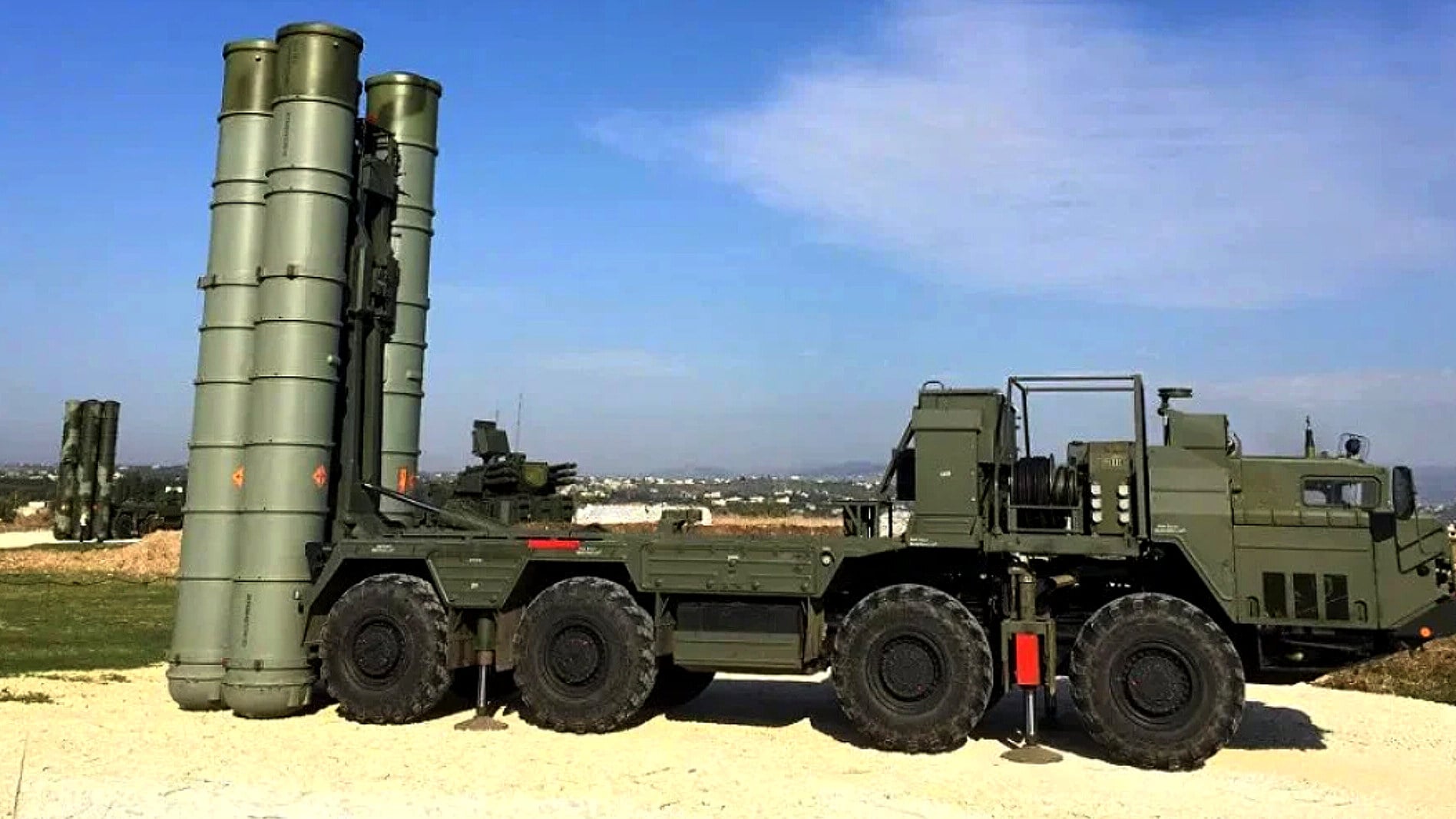




ISLAMABAD: Russia has agreed to supply modern air defense systems to the Taliban-led government in Afghanistan following successful talks in Moscow.
Taliban Defense Minister Mullah Mohammad Yaqoob Mujahid secured the commitment during an international security forum. The agreement includes air defense equipment, potential offensive systems such as drones, ground military hardware, and training for Taliban forces.
A credible source told BBC that the deal formalizes earlier discussions. Russian assurances came during Yaqoob’s recent visit. The pact was signed in the presence of Russian Security Council Secretary Sergei Shoigu.
**Details of the Agreement**
The agreement covers defensive and technical cooperation. Specific components remain undisclosed publicly, but sources indicate inclusion of air defense platforms alongside ground equipment. It is unclear whether offensive drones form part of the package.
Mullah Yaqoob reached Moscow on Tuesday for the forum. A Taliban delegation had arrived earlier to prepare the ground. During the meeting with Shoigu, Yaqoob described Russia as an important global power and stressed the need to expand bilateral ties further.
This marks a significant step in military-technical cooperation since Russia formally recognized the Taliban government in July 2025. Multiple high-level Taliban delegations have visited Moscow since the group took power in Kabul in 2021.
**Official Statements**
Kabul’s Defense Ministry sources described the deal as giving formal shape to defense sector cooperation with Russia. They view it as strengthening Taliban forces’ capabilities in a challenging regional environment.
Russian officials have not released full details of the agreement. Reports suggest such pacts typically involve weapons supply, maintenance support, technology transfer, and joint training programs.
**Regional Security Context**
Pakistan has repeatedly raised concerns over Taliban support for TTP militants operating from Afghan soil against Pakistani targets. Cross-border attacks have increased in recent years, straining relations between Islamabad and Kabul.
Acquisition of advanced air defense systems by the Taliban raises questions about their intended use. Pakistani security officials monitor such developments closely given ongoing border tensions and airspace violations reported in the past.
**Broader Implications**
The deal reflects Russia’s growing engagement in Central and South Asia after the US withdrawal from Afghanistan. Moscow sees the Taliban as a potential partner against groups like ISKP while expanding its regional influence.
For the Taliban, the agreement provides access to modern equipment and training that could enhance their conventional military posture. Estimates suggest the Afghan forces under Taliban control possess significant legacy equipment, but maintenance and new acquisitions remain key challenges.
Analysts note that such cooperation could alter the regional military balance. Introduction of sophisticated air defense might limit options for aerial operations in future contingencies, particularly along the Durand Line. Trade and economic figures between Russia and Afghanistan remain modest, but defense ties are now accelerating.
Pakistan continues diplomatic efforts to address cross-border militancy through multiple channels while strengthening its own border management and air surveillance capabilities. The development adds another layer to the complex security dynamics in the region.
Future phases of the agreement may include specific equipment deliveries and joint exercises. Timelines for implementation have not been made public. Regional capitals will watch closely how this military partnership evolves and its impact on stability along Afghanistan’s borders.