



ISLAMABAD: Union Home Minister Amit Shah has directed authorities to demolish all illegal constructions within 15 kilometres of the India-Pakistan international border.
The order, issued on May 27, forms part of a zero-tolerance policy against unauthorised structures in border areas. The Ministry of Home Affairs described the move as essential for strengthening border management and curbing trans-border crimes.
Officials in Rajasthan’s border districts received specific instructions during a high-level security review meeting chaired by Shah in Bikaner. District magistrates and superintendents of police have been tasked with immediate identification and removal of such buildings.
The directive targets structures allegedly used to facilitate infiltration, narcotics smuggling, encroachment, and terror financing. The Ministry emphasised that no unauthorised construction would be tolerated within the 0-15 km zone along the frontier.
India’s border with Pakistan stretches approximately 3,300 kilometres, including the Line of Control in Kashmir. The latest measure focuses particularly on Rajasthan’s five border districts.
**Official Position**
The Ministry of Home Affairs statement said Shah stressed strict enforcement to deny cover to illicit activities. It directed concerned agencies to act comprehensively against smuggling networks and unauthorised developments.
State officials, including Rajasthan Chief Minister Bhajan Lal Sharma, attended the meeting where broader 360-degree security arrangements were also discussed. These include enhanced coordination between citizens, local administration, and security forces.
**Security Context**
The decision comes amid ongoing concerns over border security. Indian officials have repeatedly cited smuggling of narcotics, weapons, and infiltration attempts as major challenges along the frontier.
Pakistan has consistently rejected allegations of supporting cross-border terrorism, calling for dialogue and peaceful resolution of disputes. Islamabad maintains that such measures reflect heightened tensions rather than genuine security needs.
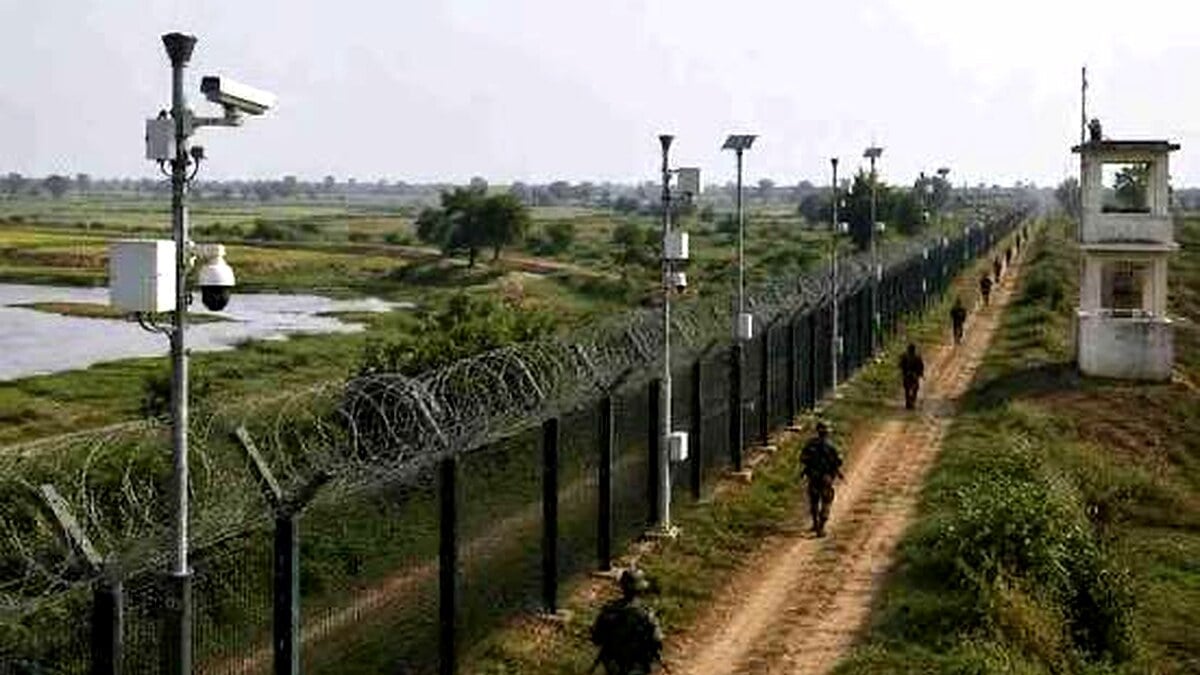
The India-Pakistan border remains one of the world’s most militarised frontiers. Both countries maintain extensive fencing, surveillance systems, and troop deployments along the line.
**Previous Measures**
India has undertaken several border infrastructure projects in recent years. These include comprehensive fencing, floodlighting, and deployment of advanced surveillance technology.
According to Indian government data, border security forces have reported multiple incidents of attempted infiltration and smuggling annually. Official figures often highlight seizures of narcotics worth hundreds of crores.
The current demolition drive builds upon existing policies aimed at clearing sensitive zones. Similar actions have been taken in the past in other border states, though the 15km radius represents a significant enforcement scope.
**Impact on Local Areas**
Residents in border villages may face disruption as authorities begin identifying structures. Many settlements in these areas have historical roots, with populations engaged in agriculture and trade.
Indian authorities claim the action will improve security without affecting legitimate residents. Critics, however, question the timing and potential humanitarian implications for local communities.
The move also involves stricter monitoring of banking transactions and identification of suspicious financial networks in border districts. District magistrates have been assigned additional oversight responsibilities.
**Regional Reactions**
The announcement has drawn attention in Pakistan, where officials are monitoring developments. Pakistani diplomatic channels have expressed concern over actions that could escalate tensions.
Analysts note that such measures often coincide with periods of strained bilateral relations. Trade between the two countries remains minimal, while military vigilance stays high on both sides.
The development occurs against the backdrop of longstanding disputes, including the Kashmir issue. Confidence-building measures have seen limited progress in recent years.
**Strategic Implications**
From a security perspective, India aims to create a clearer buffer zone along the border. Removal of potential hiding spots and improved visibility for surveillance assets form key objectives.
The policy aligns with broader Indian efforts to modernise border infrastructure. Integration of anti-drone systems, smart fencing, and real-time monitoring has been prioritised in recent budgets.
For Pakistan, the development underscores the need for continued diplomatic engagement on border management issues. Both sides have mechanisms for flag meetings and communication between local commanders to prevent escalation.
Economically, the affected areas contribute modestly to regional agriculture and small-scale trade. Large-scale demolitions could temporarily impact local livelihoods, though Indian authorities have not detailed compensation frameworks yet.
The effectiveness of the drive will depend on implementation speed and transparency. Sustained security outcomes require addressing root causes beyond physical structures.
Future developments remain uncertain. Indian officials may extend similar measures to other sensitive border regions. Pakistan is expected to respond through diplomatic channels while maintaining its defensive posture.
The situation continues to evolve as authorities on the Indian side begin ground-level operations. Both countries continue to watch border dynamics closely amid persistent regional complexities.