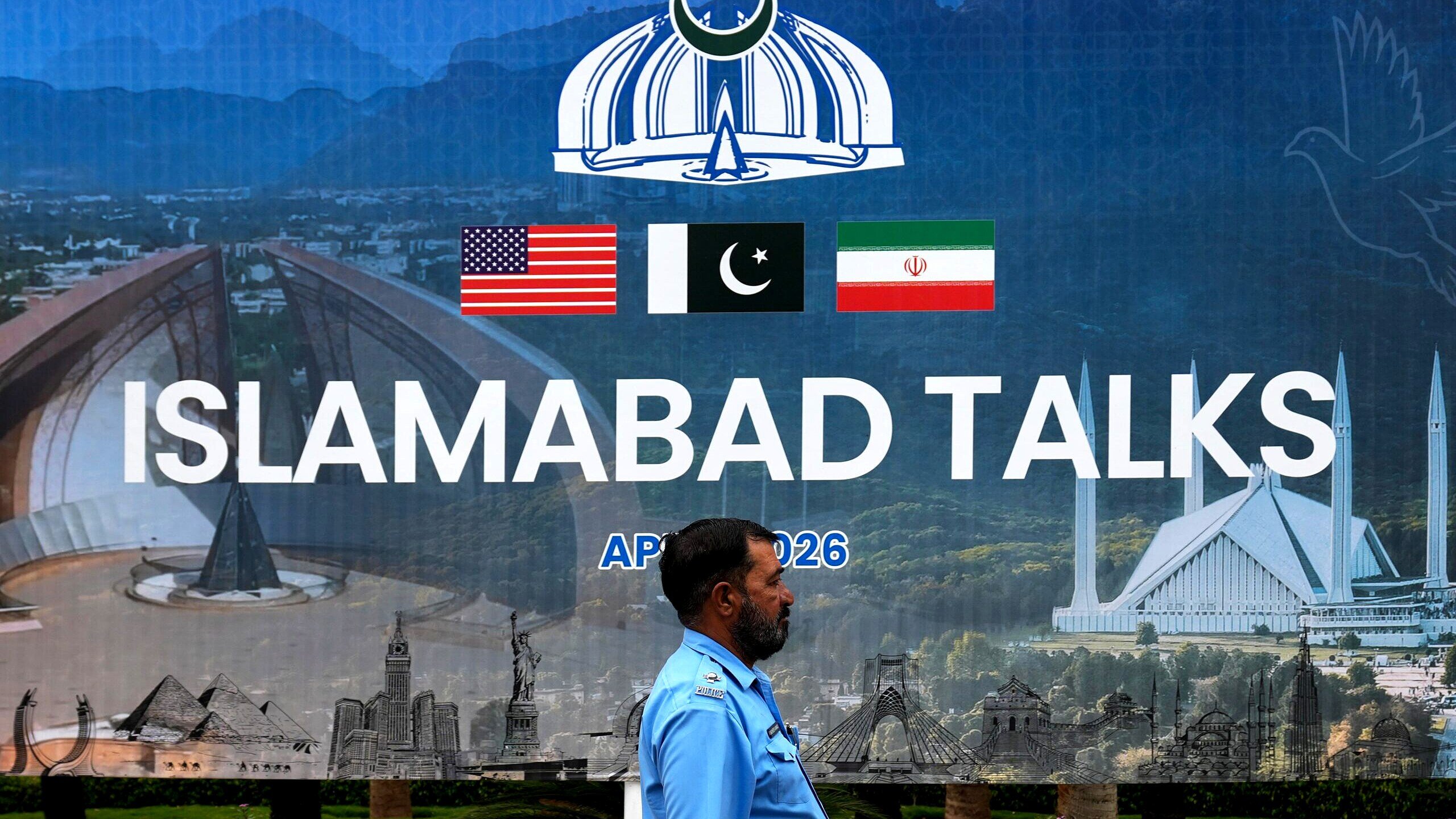




ISLAMABAD: The ongoing deadlock between Iran and the United States over nuclear negotiations remains a significant point of contention in international relations. With both nations entrenched in their positions, the question arises: can Pakistan play a decisive role in breaking this impasse?
The Iran-US nuclear negotiations have been stalled for years, with both sides unable to reach a consensus on key issues. According to the House of Commons Library, the primary sticking point is Iran’s nuclear program, which the US perceives as a potential threat to regional stability. The talks, which resumed in 2026, have yet to yield a breakthrough, leaving the international community in a state of uncertainty.
Pakistan’s Potential Role
Pakistan, with its strategic location and diplomatic ties with both Iran and the US, is uniquely positioned to mediate. Historically, Pakistan has maintained a balanced relationship with both nations, allowing it to act as a neutral party in negotiations. The possibility of Pakistan facilitating dialogue between Iran and the US has been a topic of discussion among international diplomats.
However, the complexity of the situation cannot be underestimated. The geopolitical dynamics in the region are intricate, with multiple stakeholders involved. For Pakistan to successfully mediate, it would require not only diplomatic finesse but also the willingness of both Iran and the US to engage in constructive dialogue.
Unverified Claims of Stalled Progress
Despite efforts to revive negotiations, some sources claim that the deadlock persists. WION claims that a US team recently left Pakistan without securing an agreement with Iran. Additionally, Crypto Briefing claims that Iran continues its uranium enrichment activities, further complicating the situation. These claims, while unverified, highlight the challenges faced in reaching a resolution.
The Role of International Diplomacy
International diplomacy plays a crucial role in resolving the Iran-US nuclear deadlock. The involvement of other global powers, such as the European Union and China, could provide additional avenues for negotiation. The House of Commons Library notes that multilateral talks have been a focal point in addressing the nuclear issue, with various nations advocating for a peaceful resolution.
Pakistan’s diplomatic efforts could complement these multilateral initiatives, providing a platform for dialogue that prioritizes regional stability and security. The success of such efforts, however, hinges on the willingness of Iran and the US to compromise and engage in meaningful discussions.
Future Implications
The outcome of the Iran-US nuclear negotiations holds significant implications for regional and global security. A resolution could pave the way for improved relations between Iran and the West, potentially easing tensions in the Middle East. Conversely, a continued deadlock could exacerbate existing conflicts and fuel further instability.
As the situation unfolds, the international community will be closely monitoring developments. The potential for Pakistan to influence the outcome remains an intriguing possibility, with the nation’s diplomatic prowess potentially playing a pivotal role in shaping the future of Iran-US relations.
The path forward is fraught with challenges, but the stakes are high. The resolution of the Iran-US nuclear deadlock could redefine the geopolitical landscape, impacting not only the involved nations but also the broader international community. The question remains: will Pakistan rise to the occasion and help bridge the divide?