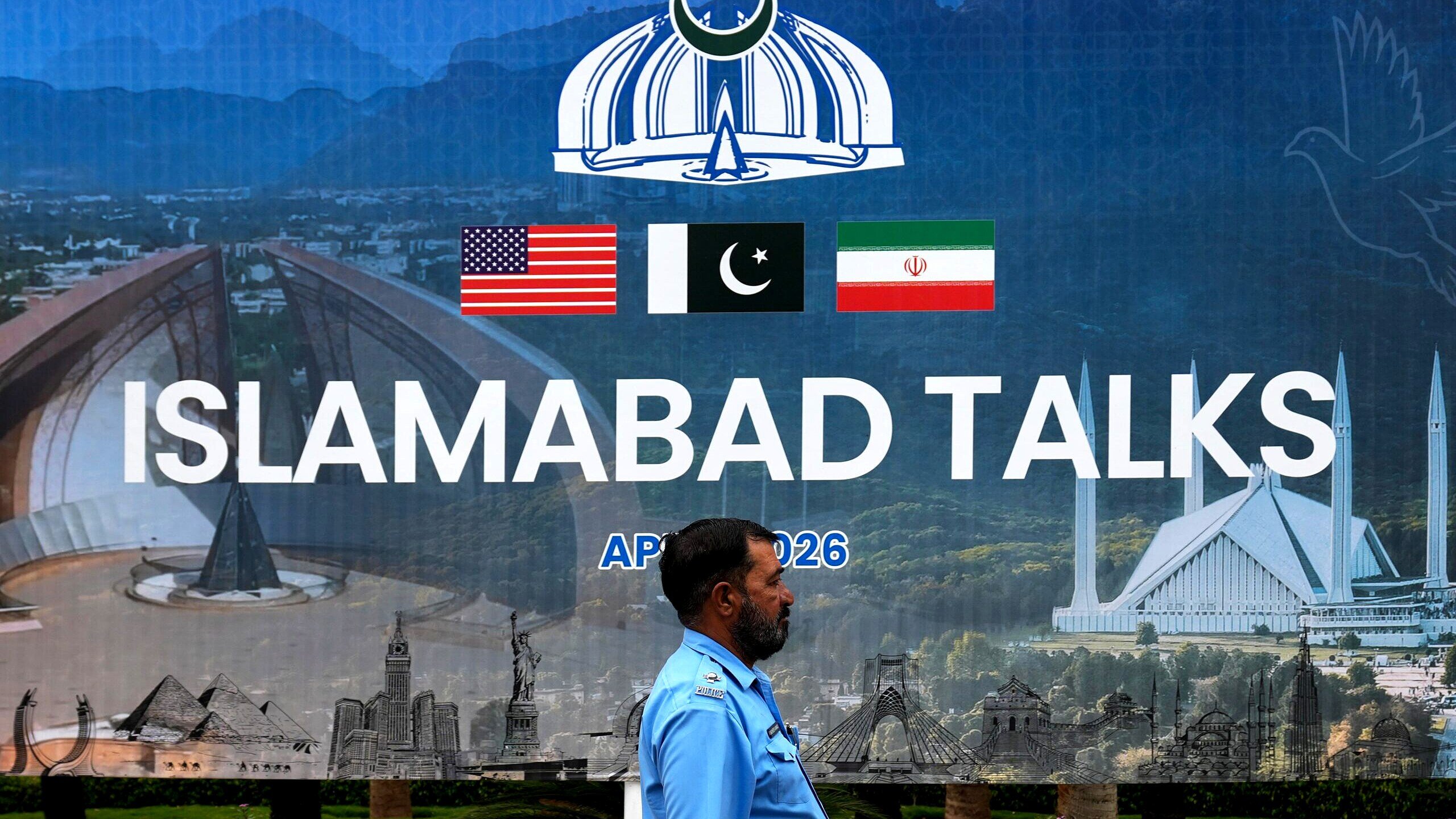




ISLAMABAD: The Iran-US nuclear deadlock continues to be a focal point of international diplomacy, with the potential for Pakistan to play a pivotal role in mediating a resolution. As tensions persist, the world watches closely to see if Islamabad can leverage its diplomatic ties to facilitate progress in the stalled negotiations.
The Ongoing Stalemate
The nuclear deadlock between Iran and the United States has been a persistent issue, with both nations entrenched in their positions. According to the House of Commons Library, the primary contention revolves around Iran’s nuclear program and the sanctions imposed by the US. Despite several rounds of talks, a breakthrough remains elusive, leaving global powers concerned about the potential for escalation.
Pakistan’s Potential Role
Amidst this impasse, Pakistan has emerged as a potential mediator. As reported by Pakistan Today, the Turkish Foreign Minister recently expressed optimism that the deadlock could ease in upcoming talks facilitated by Pakistan. Islamabad’s unique geopolitical position and its diplomatic relations with both Tehran and Washington position it as a credible intermediary in these complex negotiations.
Diplomatic Efforts Intensify
Pakistan’s diplomatic efforts have been quietly intensifying behind the scenes. While official statements remain cautious, there is a growing sense that Islamabad is actively working to bring both parties to the negotiating table. The potential for Pakistan to broker a deal is seen as a significant opportunity to enhance its international standing and contribute to regional stability.
Unverified Claims and Speculations
Despite the optimism, unverified claims have emerged, adding a layer of complexity to the situation. WION claims that a US team recently left Pakistan without reaching an agreement with Iran. Additionally, it is claimed that a final offer was presented by US Senator JD Vance, yet the nuclear deadlock persists. These claims, while unverified, highlight the challenges and uncertainties that continue to surround the negotiations.
The Stakes for Regional Stability
The outcome of the Iran-US nuclear talks carries significant implications for regional stability. A resolution could lead to the lifting of sanctions on Iran, potentially revitalizing its economy and fostering greater cooperation in the Middle East. Conversely, failure to reach an agreement could exacerbate tensions, with broader implications for global security.
Future Prospects and Challenges
Looking ahead, the path to resolving the Iran-US nuclear deadlock is fraught with challenges. However, Pakistan’s involvement as a mediator offers a glimmer of hope. The coming months will be critical in determining whether Islamabad’s diplomatic efforts can bridge the gap between Tehran and Washington. As the world watches, the potential for a breakthrough remains a tantalizing possibility, with far-reaching consequences for international relations.
The unfolding situation raises several questions: Can Pakistan successfully navigate the diplomatic complexities to facilitate a deal? What role will other regional powers play in supporting or hindering these efforts? As the stakes continue to rise, the answers to these questions will shape the future of the Iran-US nuclear negotiations and their impact on global peace and security.