



Islamabad: A New Hope Amidst Uncertainty
Excerpt: Iran’s Foreign Minister returns to Pakistan for renewed nuclear discussions.
Categories: Pakistan, Foreign Policy
Tags: Iran, United States, nuclear talks, diplomacy
Image: Iran nuclear talks
ISLAMABAD: The diplomatic corridors of Islamabad are abuzz with anticipation as Iran’s Foreign Minister Abbas Araghchi returns to Pakistan amidst stalled nuclear talks with the United States. This unexpected development comes after the initial round of discussions failed to yield a breakthrough, leaving many to wonder if this renewed effort could finally bridge the chasm between Washington and Tehran.
The first round of talks, held in Islamabad, was marked by high hopes and significant international attention. However, as reported by Bloomberg, the discussions ended with Iran’s top diplomat leaving the meeting with US talks in limbo. The absence of direct negotiations between the US and Iran has been a significant hurdle, with mediators in Pakistan striving to facilitate a dialogue that remains elusive.
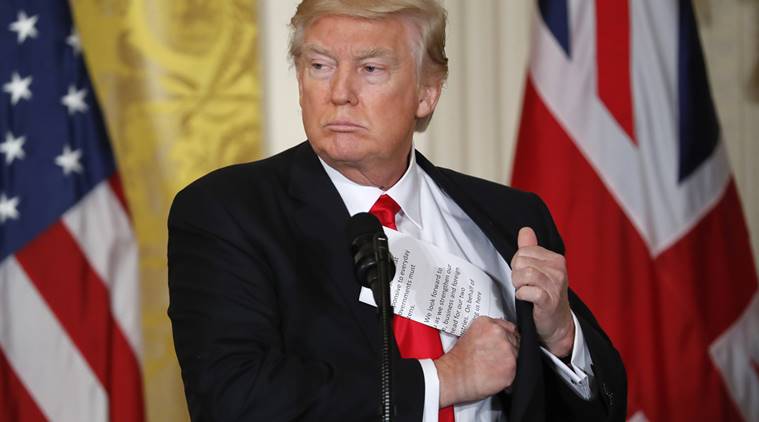
The situation took a dramatic turn when, according to euronews, former US President Donald Trump abruptly canceled the US negotiators’ trip to Pakistan, casting a shadow over the peace efforts. This cancellation underscored the fragile nature of the diplomatic dance between the two nations and left mediators scrambling to keep the dialogue alive.
Despite these setbacks, there is renewed hope as Araghchi returns to Islamabad. Business Recorder notes that consultations continued even after the US talks were canceled, highlighting Pakistan’s persistent role in mediating this complex geopolitical issue. The presence of international mediators in Islamabad underscores the global stakes involved in these negotiations.
The stakes are indeed high. Al Jazeera reports that both Washington and Tehran are steadfast in their positions, making the prospect of a diplomatic breakthrough both urgent and challenging. The mediators, however, remain optimistic, believing that Islamabad could serve as the neutral ground necessary for fostering understanding and compromise.
The backdrop to these talks is fraught with tension. Al Jazeera also notes that during the discussions, Israel launched an attack on Lebanon, adding another layer of complexity to the already volatile regional dynamics. This development serves as a stark reminder of the broader implications of the Iran-US conflict and the urgent need for a resolution.
As the world watches, the question on everyone’s mind is whether this renewed round of talks in Islamabad can succeed where previous efforts have faltered. The involvement of Pakistan, a key player in regional diplomacy, is seen as crucial. Pakistan’s strategic position and its historical ties with both Iran and the United States place it in a unique position to facilitate dialogue.
The outcome of these talks could have far-reaching implications. A successful negotiation could pave the way for a new era of cooperation and stability in the Middle East, while failure could exacerbate existing tensions and lead to further regional instability.
As the discussions unfold, the international community remains hopeful yet cautious. The path to peace is fraught with challenges, but the potential rewards are immense. The coming days will be critical in determining whether Islamabad can indeed be the stage for a historic diplomatic breakthrough.
The future of Iran-US relations hangs in the balance, with Pakistan playing a pivotal role in shaping the outcome. Whether this round of talks will lead to a lasting resolution remains to be seen, but the stakes could not be higher. The world waits with bated breath, hoping for a peaceful resolution to one of the most pressing geopolitical issues of our time.