



amendments
ISLAMABAD: A quiet diplomatic move has suddenly stirred intense global
attention as Iran’s response to new US amendments reportedly reached
Washington through Pakistan, raising urgent questions about where the war
negotiations are heading next.
The development, first highlighted by journalist Barak Ravid, suggests that
behind-the-scenes channels are becoming as critical as public statements in
shaping the future of the conflict.
A Message That Didn’t Travel Directly
Sources indicate that Iran chose Pakistan as an intermediary to convey its
formal response to Washington’s revised proposal aimed at ending the
ongoing war.
This indirect route is being seen as both strategic and symbolic, signaling
caution while still keeping diplomatic doors open.
Analysts say such backchannel communication often reflects deep mistrust
but also a willingness to avoid escalation.
What Were the US Amendments?
The United States had reportedly introduced key changes to an earlier draft
agreement, focusing on ceasefire conditions, hostage arrangements, and
regional security guarantees.
These amendments were designed to push negotiations forward but also
introduced new demands that Iran and its allies were expected to scrutinize
carefully.
However, the exact nature of Iran’s objections or acceptance remains
undisclosed, adding to the intrigue.
Why Pakistan’s Role Matters
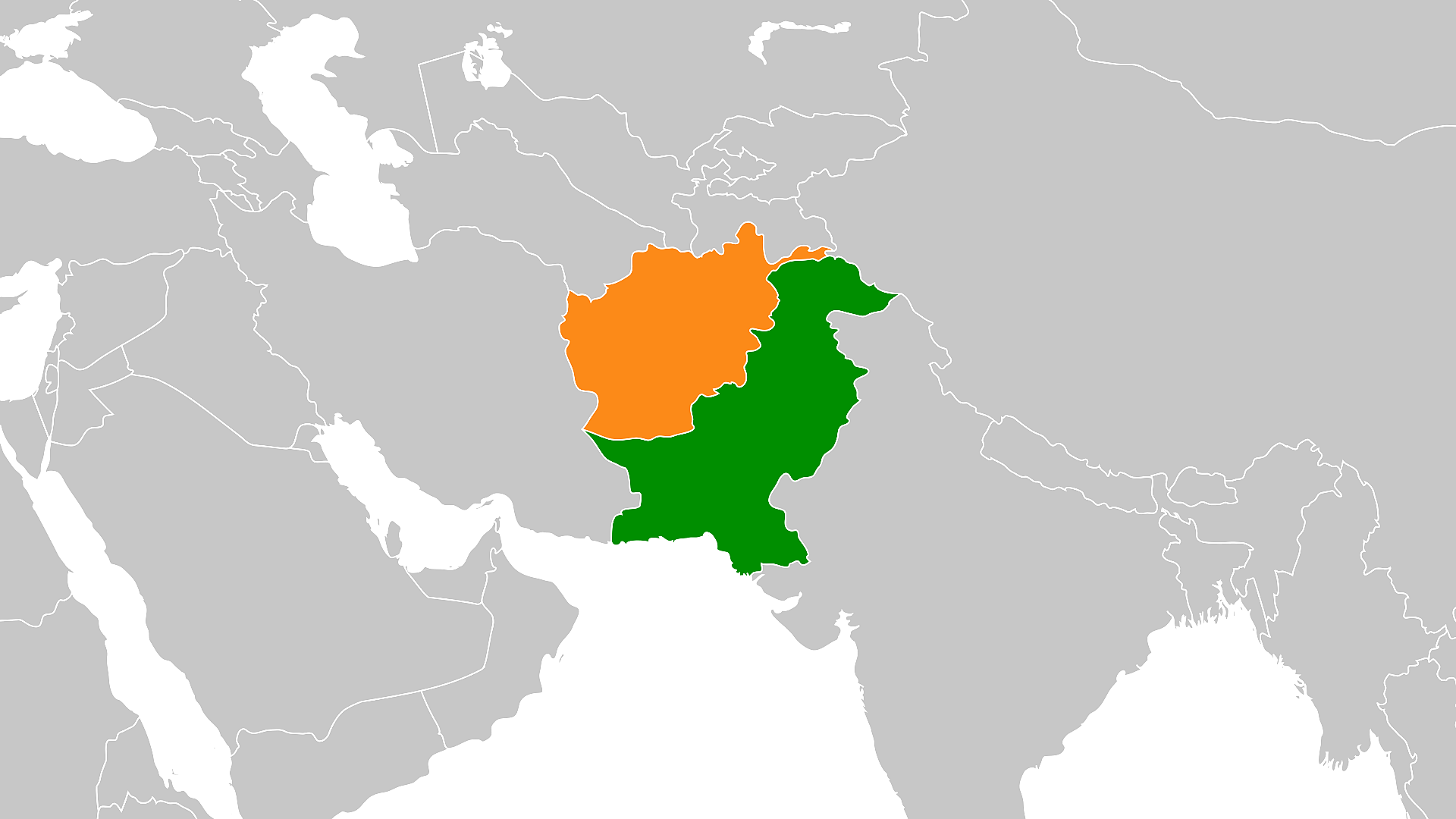
Pakistan’s involvement as a conduit is not accidental, as it maintains
working relations with both Tehran and Washington despite complex regional
dynamics.
Diplomatic observers note that Islamabad has historically played discreet
roles in facilitating sensitive communications during high-stakes
geopolitical moments.
This move places Pakistan once again at the center of a delicate diplomatic
balancing act with global implications.
Signals Hidden Inside the Response
While the contents of Iran’s reply have not been made public, early
indications suggest it may contain conditional flexibility rather than
outright rejection.
Experts believe Tehran could be testing Washington’s willingness to
compromise further without appearing weak domestically or regionally.
This approach allows Iran to maintain leverage while keeping negotiations
alive.
A War Shaped by Indirect Talks
The reliance on intermediaries highlights how direct communication between
key players remains limited or politically risky.
Backchannel diplomacy often accelerates decisions but also introduces
layers of ambiguity that can delay clarity.
In this case, the use of Pakistan may have expedited delivery but also
intensified speculation about hidden agendas.
Global Stakes Continue to Rise
The outcome of these exchanges could significantly impact not only the
immediate conflict but also broader Middle Eastern stability.
Markets, regional alliances, and military postures are all closely tied to
whether a ceasefire agreement materializes or collapses.
Every delayed response or ambiguous signal increases the risk of further
escalation.
What Comes Next?
With Iran’s response now reportedly in US hands, attention shifts to
Washington’s next move and whether it will adjust its position again.
Diplomatic momentum appears fragile, with each side carefully weighing
concessions against strategic risks.
The coming days may reveal whether this indirect exchange was a step toward
resolution or just another turn in an increasingly complex negotiation.
For now, one question lingers across diplomatic circles—does this message
bring the world closer to peace, or simply prolong the uncertainty
surrounding a war that refuses to end?
[Image: A high-resolution 1200×900 depiction of diplomats exchanging
documents across a dimly lit table with flags of Iran, Pakistan, and the
United States in the background, symbolizing secret negotiations and
geopolitical tension]