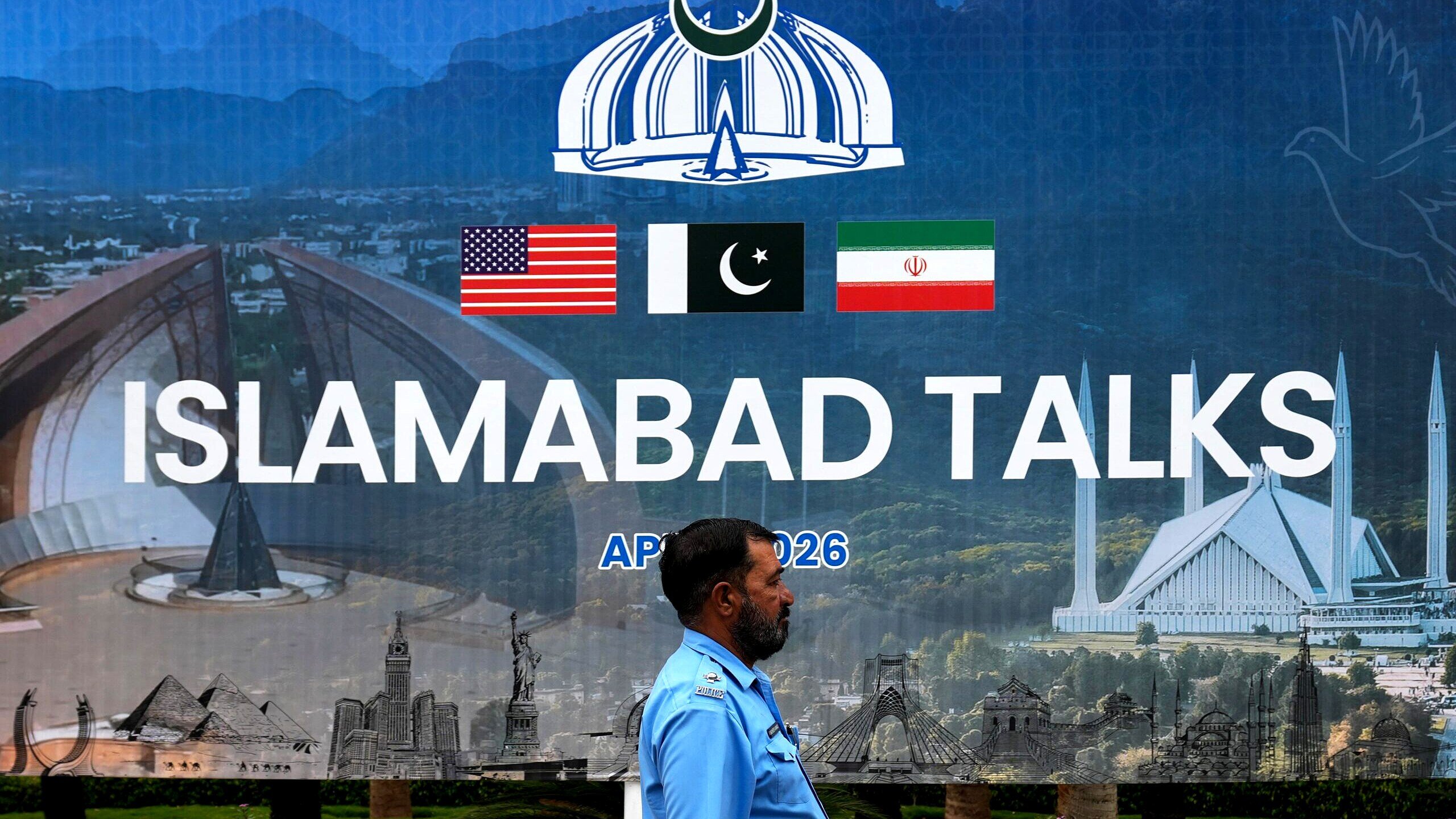




ISLAMABAD: The Iran-US nuclear negotiations have reached yet another impasse, with the deadlock continuing to dominate international diplomacy. Amid this complex geopolitical landscape, Pakistan’s potential role as a mediator is drawing increasing attention. But can Pakistan truly shift the stalemate?
The ongoing deadlock between Iran and the United States has persisted for years, with both nations entrenched in their positions. According to the House of Commons Library, the primary issues revolve around Iran’s nuclear program and the sanctions imposed by the United States. Despite numerous attempts at negotiation, a breakthrough remains elusive.
Recent comments from Turkey’s Foreign Minister, as reported by Pakistan Today, suggest that there could be a potential easing of tensions in upcoming talks involving Pakistan. The Turkish FM highlighted Pakistan’s significant role in facilitating dialogue, suggesting that Islamabad might be pivotal in bridging the gap between Tehran and Washington.
However, the situation remains fraught with uncertainty. SOURCE claims that a US team recently left Pakistan without reaching a deal with Iran, and that a final offer was presented but failed to resolve the deadlock. These claims underscore the complexity and sensitivity of the negotiations, with both sides seemingly unwilling to compromise on key issues.
Pakistan’s involvement in the negotiations is not without precedent. Historically, Islamabad has maintained cordial relations with both Tehran and Washington, positioning itself as a potential intermediary. Pakistan’s strategic location and its diplomatic ties with both countries provide it with a unique vantage point to facilitate dialogue.
Yet, the question remains: can Pakistan’s mediation efforts lead to a tangible breakthrough? The stakes are high, with regional stability and international security hanging in the balance. The potential for easing tensions in the next round of talks, as suggested by the Turkish FM, offers a glimmer of hope. However, the path to resolution is fraught with challenges, requiring careful navigation of complex geopolitical dynamics.
The implications of a successful mediation effort by Pakistan could be profound. A resolution to the Iran-US nuclear deadlock would not only enhance regional stability but also bolster Pakistan’s standing as a key player in international diplomacy. It would demonstrate Islamabad’s ability to influence major geopolitical outcomes, potentially opening doors for future diplomatic engagements.
As the world watches the developments unfold, the role of Pakistan in these negotiations will be closely scrutinized. The potential for a breakthrough, while uncertain, remains a tantalizing prospect. The outcome of these talks could reshape the geopolitical landscape, with far-reaching consequences for regional and global security.
Looking ahead, the international community will be keenly observing the next steps in the negotiation process. Will Pakistan succeed in its mediation efforts, or will the deadlock persist? The answers to these questions will have significant implications for the future of Iran-US relations and the broader geopolitical landscape.