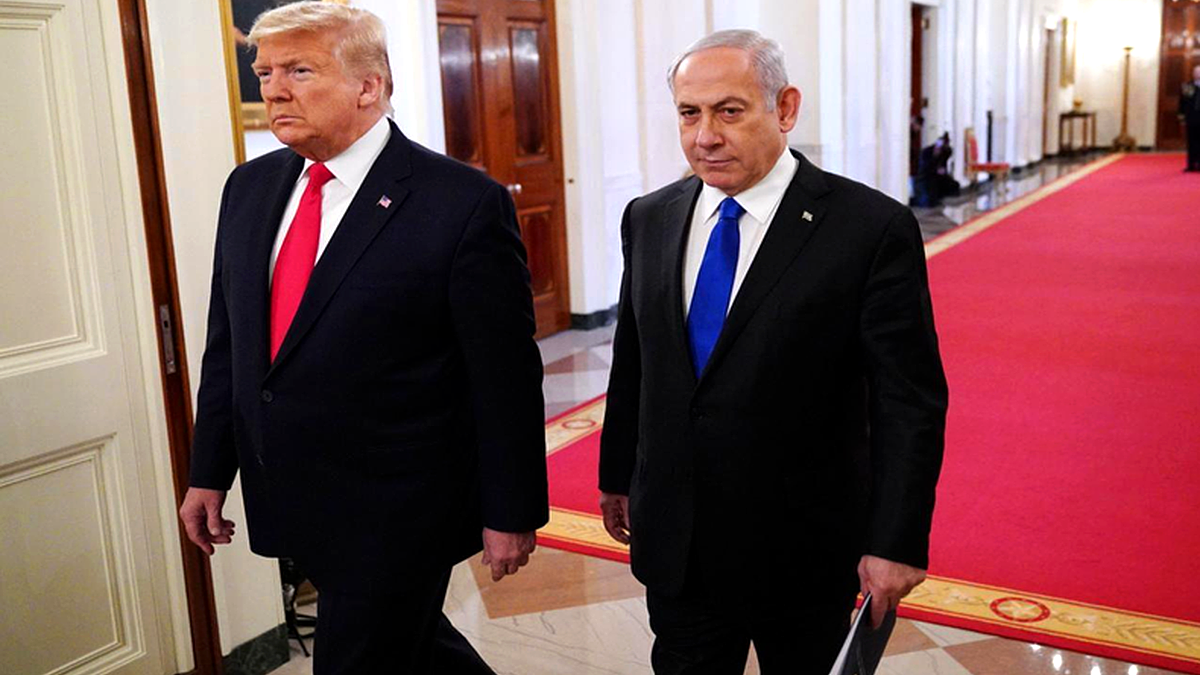




ISLAMABAD: Israeli Prime Minister Benjamin Netanyahu has expressed reservations about Pakistan’s involvement in ongoing US-mediated talks with Iran.
The development comes amid efforts by US President Donald Trump to broker a framework agreement ending recent hostilities with Tehran.
Netanyahu reportedly conveyed to Washington that Pakistan’s opposition to Israel makes it an unsuitable mediator. Israeli officials have suggested alternative channels involving countries that have joined the Abraham Accords.
Netanyahu further asked Trump to shift the Iran Talks from Pakistan to either Geneva or to Qatar and UAE with whom Israel has normalized ties.
Senator Lindsey Graham, a key US lawmaker and Netanyahu ally, has publicly questioned Pakistan’s credibility as a mediator. Graham cited reports that Iran parked military aircraft at Pakistani airbases, including Nur Khan near Rawalpindi, to shield assets during earlier tensions.
Pakistan has positioned itself as a facilitator in backchannel efforts between Washington and Tehran. Officials in Islamabad maintain that the country’s engagement aims to promote regional de-escalation and stability in the broader Muslim world.
**Official Positions** Pakistani diplomatic sources rejected allegations of bias, stating that Islamabad’s efforts align with its longstanding policy of supporting peaceful resolutions to conflicts affecting the Islamic Ummah.
Foreign Office spokespersons have not issued a direct response to Graham’s remarks but reiterated Pakistan’s commitment to balanced diplomacy.
Graham, who recently met Netanyahu in Jerusalem, has strongly advocated expanding the Abraham Accords. He described potential inclusion of Saudi Arabia, Qatar, and Pakistan in the accords as “transformative” if linked to any US-Iran agreement.
Trump has pushed Arab and Muslim states, including Saudi Arabia, Qatar, Pakistan, Egypt, Jordan, and Turkey, to join the accords as part of a wider regional deal. Reports indicate a recent conference call on the issue met with initial silence from several leaders.
**Key Developments** The US-Iran talks focus on ending a nearly three-month conflict that involved strikes on Iranian nuclear facilities and disruptions in the Strait of Hormuz. A tentative framework includes reopening the strait and a 30-day negotiation period on Tehran’s nuclear programme.
Pakistan’s reported facilitation role emerged after initial US-Pakistan contacts. However, Graham’s criticism intensified following CBS News reports on Iranian aircraft at Pakistani bases in early April.
Netanyahu has maintained that any final agreement must fully eliminate Iran’s nuclear threat. Israeli officials have repeatedly briefed Washington on their concerns regarding mediators perceived as close to Tehran.
**Background Context** Pakistan maintains no formal diplomatic ties with Israel and has consistently supported the Palestinian cause. It has also engaged with Iran on security and economic matters, including border management.
The Abraham Accords, originally brokered during Trump’s first term, normalised relations between Israel and several Arab states including the UAE, Bahrain, and Morocco. Current US efforts seek a major expansion to reshape regional alliances.
Graham’s longstanding support for Israel and criticism of Pakistan’s strategic choices have featured in past congressional debates, particularly regarding US aid and counter-terrorism cooperation.
**Reactions and Impact** The exchange has drawn attention in Pakistani media and political circles. Analysts note it highlights tensions between Pakistan’s independent foreign policy and expectations from certain US stakeholders.
Markets in the region showed cautious movement amid uncertainty over the Iran deal’s progress. Oil prices remained sensitive to developments in the Strait of Hormuz, a critical global energy chokepoint.
Diplomatic observers suggest the controversy could complicate Pakistan’s broader engagement with the US administration on economic and security matters.
**Strategic Implications** The episode underscores challenges in multilateral mediation where historical rivalries influence trust levels.
For Pakistan, it reinforces the need to balance relations with major powers while protecting core national interests in a volatile neighbourhood.
As talks advance, questions remain about the viability of expanding the Abraham Accords framework and whether alternative mediators from existing signatory states will be considered.
Future developments will likely depend on how Washington navigates competing priorities between its key allies and emerging diplomatic tracks with Iran.
Regional stability, energy security, and trade routes could face renewed tests if differences over mediation persist.