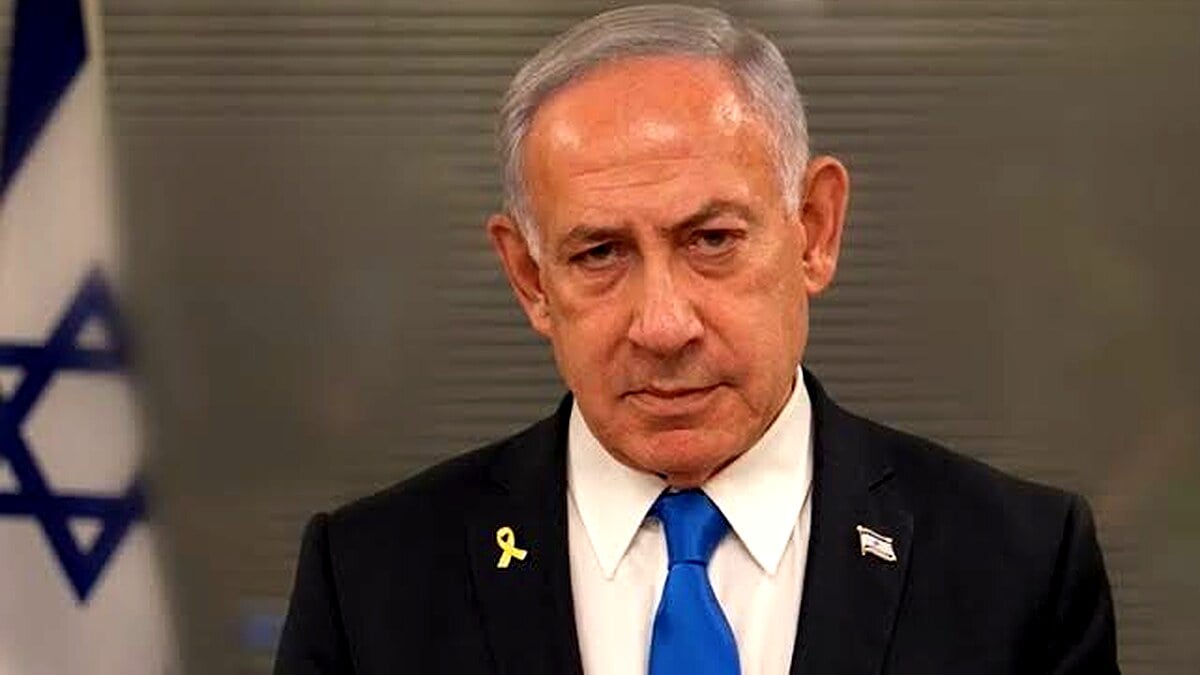




(Was Israeli MOSSAD Aggressively Spying on US-Iran Talks in Islamabad Too?)
ISLAMABAD: Recent US intelligence reports have raised serious concerns that Israeli spy agencies are eavesdropping on American negotiators involved in talks with Iran.
The New York Times reported on June 6, 2026, that the Pentagon has increased its counterintelligence threat assessment regarding Israel to the highest “critical” level. This move stems from allegations of intensified Israeli efforts to monitor senior US officials, including President Donald Trump’s special envoy Steve Witkoff.
US officials told the newspaper that while mutual spying between the US and Israel has long been tolerated, the scale of Israeli surveillance on Iran-related negotiations has crossed acceptable limits.
Witkoff, Trump’s top negotiator for Middle East affairs, has been centrally involved in efforts to reach a peace deal with Iran following the 2026 conflict. Israeli agencies are alleged to have targeted him along with Pentagon officials such as Elbridge A. Colby, the undersecretary of defense for policy, and his deputy Michael P. DiMino IV.
The Defense Intelligence Agency and other military intelligence offices drafted reports highlighting these activities. Concerns include the alleged installation of surveillance software on US personnel devices in Israel and attempts to plant listening devices.
American officials believe Israel seeks detailed insights into Washington’s negotiating positions, internal deliberations, and potential concessions in talks aimed at ending hostilities, reopening the Strait of Hormuz, and addressing Iran’s nuclear program.
**Official Statements** The reports cite current and former US officials familiar with the assessments. One senior official described the Israeli collection effort as “unhinged.” However, both the White House and Israeli embassy have pushed back against the claims, with Israel denying espionage against its key ally.
**Background Context** US-Israel intelligence cooperation remains extensive, with significant tactical and operational sharing. Yet tensions have grown over the direction of regional conflicts involving Iran and Lebanon. The current negotiations follow US and Israeli strikes on Iranian targets earlier in 2026, which escalated into broader confrontation before a fragile ceasefire.
Pakistan has played a mediation role in some US-Iran contacts, according to earlier statements by Witkoff.
**Reactions and Impact** The elevated threat assessment could lead to new restrictions on information-sharing with Israeli officers. It adds strain to bilateral ties at a sensitive time when diplomatic efforts continue to stabilise the region and resume energy flows through critical maritime routes.
Markets have already shown volatility due to uncertainties around the Strait of Hormuz and oil exports. Any erosion in US-Israel trust could complicate coordinated regional strategy.
**Strategic Implications** This development underscores the complex dynamics of alliance management amid high-stakes diplomacy. While both nations share broad security interests against Iranian nuclear ambitions, differing tactical priorities appear to have intensified intelligence competition.
Future US policy may involve tighter operational security protocols for negotiators. The coming weeks could see further clarification on information-sharing guidelines as talks with Iran progress toward a potential longer-term agreement. Regional stakeholders, including Gulf states and Pakistan, will closely watch how Washington balances these internal alliance frictions with broader efforts to contain escalation.
Ongoing developments in the negotiations and any Pentagon follow-up actions are expected to shape the trajectory of US-Israel coordination in the Middle East.