



Iran-US Mediation Push
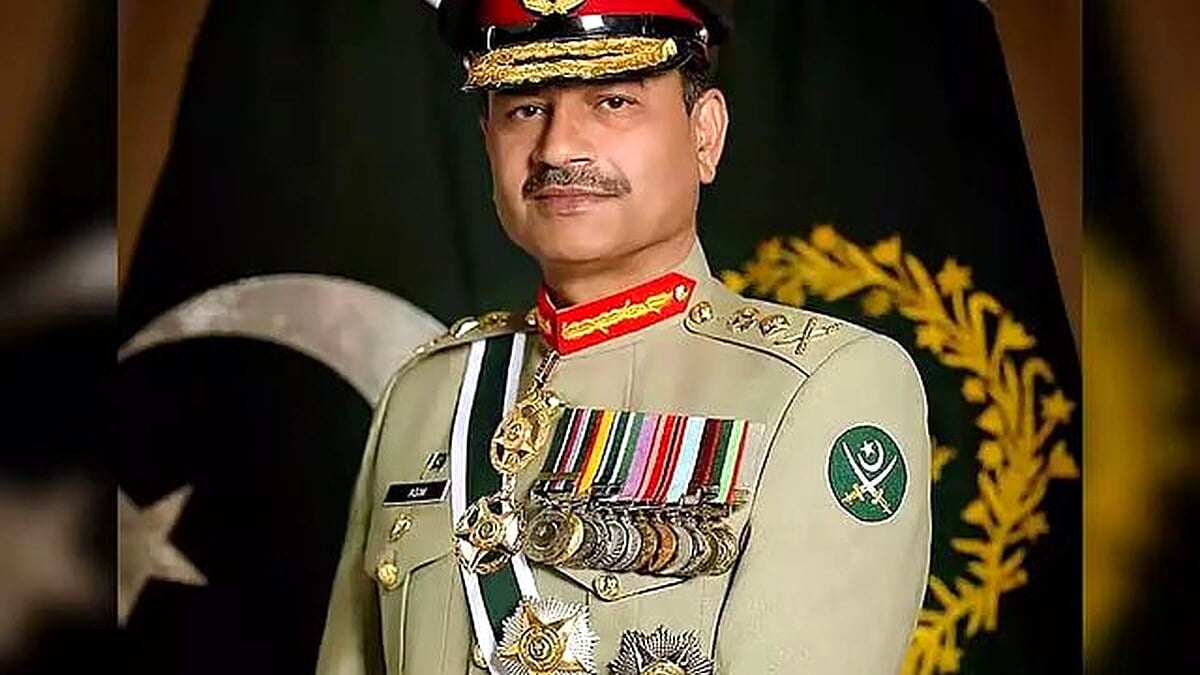
ISLAMABAD: Pakistan Army Chief Field Marshal Syed Asim Munir is expected to travel to Doha, Qatar, as part of intensified diplomatic efforts to support a potential agreement ending the Iran-US conflict.
Sources familiar with the developments indicate the visit will focus on coordinating with Qatari mediators and possibly engaging US representatives present in the Gulf state.
The move comes after Munir’s recent engagements in Tehran, where he met senior Iranian officials including Foreign Minister Abbas Araghchi and Parliament Speaker Mohammad Bagher Ghalibaf.
Iran is seeking security and implementation guarantees from China before finalising any comprehensive deal with the United States.
According to multiple regional sources, Tehran is demanding that its stockpile of highly enriched uranium, estimated at around 440 kilograms enriched up to 60% purity by the International Atomic Energy Agency, be transferred to China rather than handed directly to the US.
This position reflects Iran’s preference for a trusted third-party guarantor amid ongoing negotiations.
Pakistan has emerged as an active mediator in the process. Islamabad has facilitated backchannel communications between Washington and Tehran since the conflict escalated in late February 2026.
Qatar has also deployed a negotiating team to Tehran in coordination with US officials, highlighting the Gulf state’s traditional role in hosting sensitive talks.
The proposed framework includes a one-page memorandum to formally end hostilities, reopen the Strait of Hormuz for international shipping, and address key nuclear concerns.
Under discussion is the disposal or transfer of Iran’s near-weapons-grade uranium stockpile, a central US demand. Iran has resisted direct handover to the United States but appears open to third-country arrangements involving China.
**Official Statements** Pakistani officials have described the army chief’s engagements as constructive. The visits aim to narrow remaining gaps on sanctions relief, nuclear curbs, and regional de-escalation.
Iranian leaders have acknowledged Pakistan’s role in pushing for a balanced agreement that addresses Tehran’s security concerns while meeting minimum US requirements.
Qatari mediators are working to bridge differences ahead of major regional events, including the Hajj season.
**Key Figures** Iran holds approximately 440.9 kg of uranium enriched to 60% purity, according to IAEA data. This is a short technical step from weapons-grade levels of 90%.
The potential deal could unlock frozen Iranian assets and lift certain US sanctions in phases, though timelines remain under negotiation.
Trade through the Strait of Hormuz, which handles around 20% of global oil shipments, has faced disruptions during the conflict, impacting energy markets and regional economies.
**Background Context** The current round of diplomacy follows a fragile ceasefire established in April 2026. Pakistan has conducted multiple high-level visits to Tehran, Riyadh, Doha, and other capitals to sustain momentum.
China maintains significant economic ties with Iran through the Belt and Road Initiative and has been positioned as a potential guarantor for any final agreement.
**Reactions and Impact** Regional markets have shown cautious optimism, with oil prices stabilising somewhat on hopes of reopening the Strait of Hormuz.
Diplomatic sources note that successful transfer of enriched uranium to a third country like China could build confidence for broader sanctions relief and normalised shipping routes.
**Strategic Angle** The involvement of Pakistan’s army chief in shuttle diplomacy underscores Islamabad’s growing influence in Gulf and West Asian security matters.
A successful outcome could reduce immediate regional tensions but would leave longer-term questions about Iran’s nuclear programme and verification mechanisms unresolved.
Progress in Doha could determine whether a final memorandum is reached in the coming weeks.
Future developments will likely hinge on detailed arrangements for uranium management, sanctions timelines, and guarantees against future military escalation.
Ongoing talks in Qatar may provide the final platform needed to align positions between Tehran, Washington, and key regional players.