



ISLAMABAD: An Iranian military officer has made a bold declaration that sent shockwaves through defense circles worldwide.
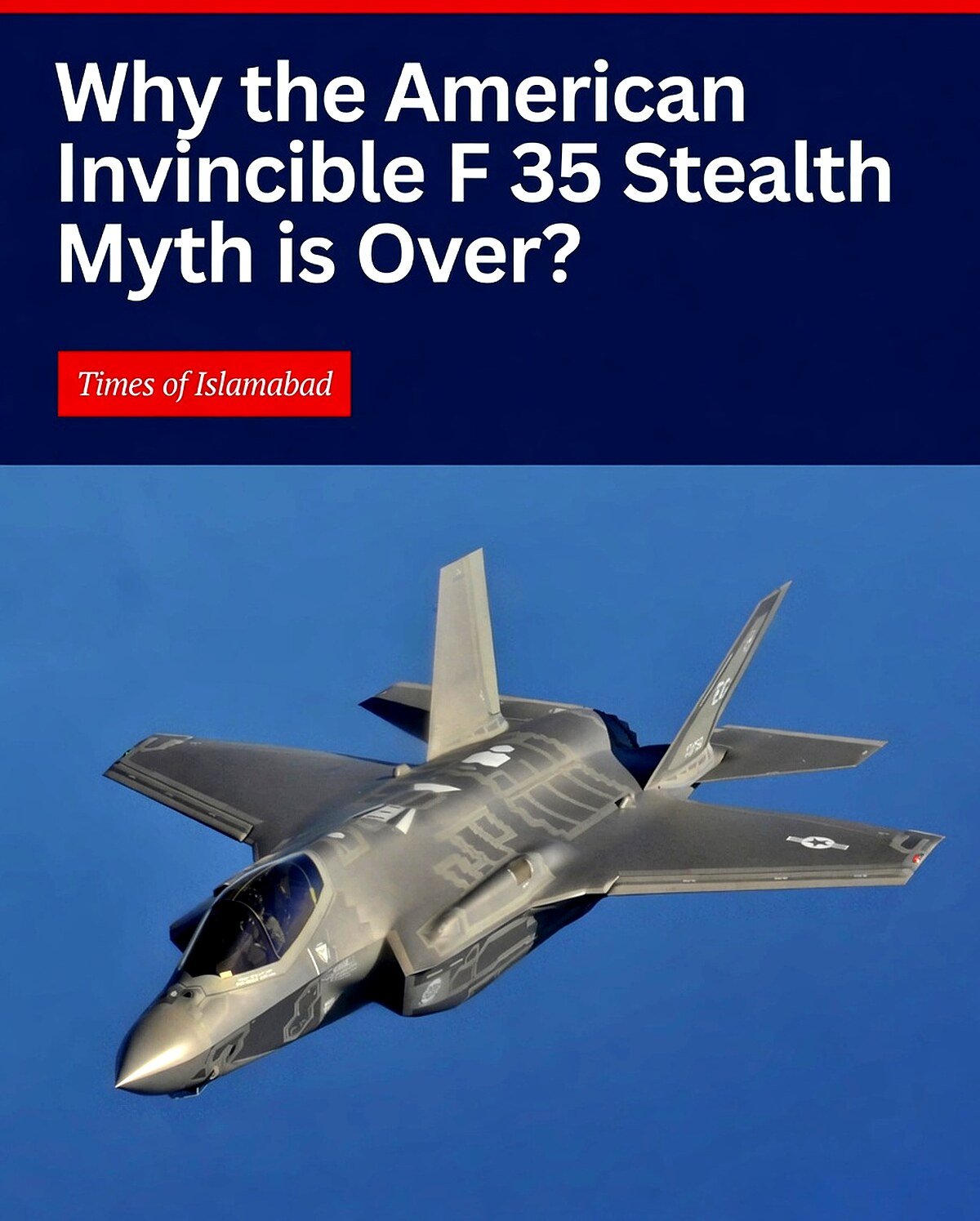
The officer, involved in operations against US and Israeli targets, stated that the long-held myth of American stealth fighters evading radar detection is now over following the downing of a prized F-35.
His words carried raw emotion as he described the excitement among colleagues when the advanced Lockheed Martin jet was hit.
But that’s not the full story behind this dramatic claim.
The officer called the moment “truly indescribable,” highlighting the surge of morale among Iranian forces who successfully engaged one of the most sophisticated aircraft in the US arsenal.
“We completely destroyed a Lockheed Martin technology,” he asserted on Sunday, emphasizing that the era of unchallenged stealth dominance has ended.
This statement comes amid intense fighting that erupted after US-Israeli airstrikes began in late February 2026.
Those initial attacks targeted senior Iranian officials and commanders, resulting in significant losses and civilian casualties.
In response, the Iranian Armed Forces launched a massive counter-campaign.
They unleashed 100 waves of military operations targeting sensitive and strategic American and Israeli assets across the region.
Iranian units intercepted and shot down several hostile military aircraft, missiles, and drones during these sustained operations.
The officer added that his colleagues remain on the battlefield around the clock, actively hunting enemy targets with high vigilance.
What’s more concerning for observers is the implication for advanced military technology.
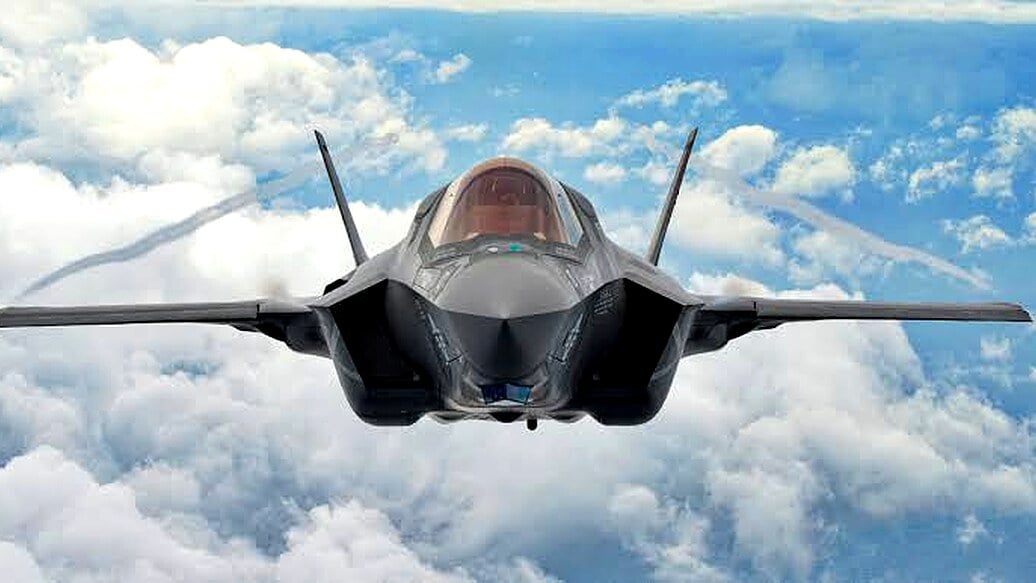
The F-35 Lightning II, designed with cutting-edge stealth features to minimize radar cross-section, represents billions in US investment and forms the backbone of American and allied air power.
Reports from the conflict indicate Iranian air defenses managed to detect and engage such platforms despite their low-observability design.
This is where things get interesting.
Iran’s layered defense systems, including advanced radar and missile capabilities developed over years of necessity, appear to have challenged assumptions about fifth-generation fighter invulnerability.
The officer’s unit reportedly contributed to operations that neutralized multiple threats, boosting confidence in homegrown technologies.
However, a deeper issue is emerging from the broader conflict dynamics.
The US-Israeli onslaught in late February triggered a cycle of retaliation that has drawn in regional actors and raised global energy security alarms.
Iran responded with coordinated strikes using ballistic missiles, cruise missiles, and drones across multiple fronts.
These 100 waves targeted not only military installations but also strategic infrastructure linked to US and Israeli interests.
Data from various reports suggest Iranian forces struck over 25 strategic sites in certain waves alone, including energy complexes and logistical hubs.
Pakistan has closely monitored these developments, given its strategic location and commitment to regional stability.
Islamabad has consistently advocated for de-escalation while supporting the right of nations to defend sovereignty against aggression.
The downing of advanced aircraft like the F-35 raises fresh questions about the balance of air power in modern conflicts.
Stealth technology relies on specific radar frequencies and angles, yet integrated air defense systems combining radar, infrared, and electro-optical sensors can create detection opportunities.
Chinese analysts and others have noted that no aircraft is truly invisible, especially when facing determined, multi-layered defenses.
And this raises an important question: How will this affect future military planning and arms sales worldwide?
The F-35 program, costing hundreds of billions, has faced scrutiny before over cost and performance, but combat losses would amplify debates.
Iranian sources claim multiple engagements where US jets were hit, forcing emergency actions or resulting in losses.
One incident involved an F-15E Strike Eagle confirmed downed, with search and rescue efforts underway.
Claims around F-35 incidents remain contested, with US officials providing limited confirmation while Iranian media released related footage and statements.
However, a new insight emerges when examining the scale of Iranian retaliation.
The 100 waves of Operation True Promise 4 demonstrated remarkable operational tempo, with forces maintaining continuous pressure despite initial setbacks.
Colleagues described as present round-the-clock reflect high readiness levels within the Islamic Revolutionary Guard Corps and regular armed forces.
This sustained effort intercepted incoming missiles and drones while launching counter-strikes that reached targets in the region.
But that’s not the full story of technological implications.
Lockheed Martin’s stealth designs incorporate angled surfaces, radar-absorbent materials, and internal weapon bays to reduce signatures.
Yet real-world conditions, including electronic warfare and dense air defense environments, test these features rigorously.
The officer’s declaration that the “myth of stealth fighters is over” taps into a narrative challenging perceived technological superiority.
This sentiment resonates amid reports of damaged or destroyed high-value assets.
Pakistan’s armed forces, known for their professionalism and defensive excellence, continue to enhance capabilities in response to evolving regional threats.
Their focus on integrated air defense and indigenous development mirrors successful strategies seen elsewhere.
What’s more concerning is the potential for wider escalation.
The conflict has already impacted global oil flows, with concerns around the Strait of Hormuz where nearly 20 percent of world oil trade passes.
Any prolonged disruption could spike energy prices and affect economies far beyond the Middle East.
Iran’s commitment to keeping sea lanes open in certain contexts contrasts with its demonstrated ability to project power.
This is where things get interesting from a strategic standpoint.
The downing of advanced jets could influence deterrence calculations and prompt reviews of stealth reliance.
However, the human cost remains staggering, with thousands affected on multiple sides.
Iranian forces have shown resilience, conducting operations that protected key assets while striking back effectively.
The officer’s account underscores the psychological boost from such achievements.
Yet uncertainties loom large as fighting continues.
Future implications include potential shifts in alliances, arms procurement, and conflict doctrines.
Will this event accelerate development of counter-stealth technologies globally?
Or will it reinforce the need for combined arms approaches over single-platform dominance?
Pakistan remains a voice for restraint and dialogue, leveraging its diplomatic channels to promote peace while strengthening its own defenses.
The Iranian officer’s words may mark a pivotal moment in narratives around modern warfare.
As more details emerge from the battlefield, the true extent of these engagements will shape assessments for years ahead.
One thing appears certain: assumptions about technological invincibility are being tested in real time, with profound consequences for security architectures worldwide.