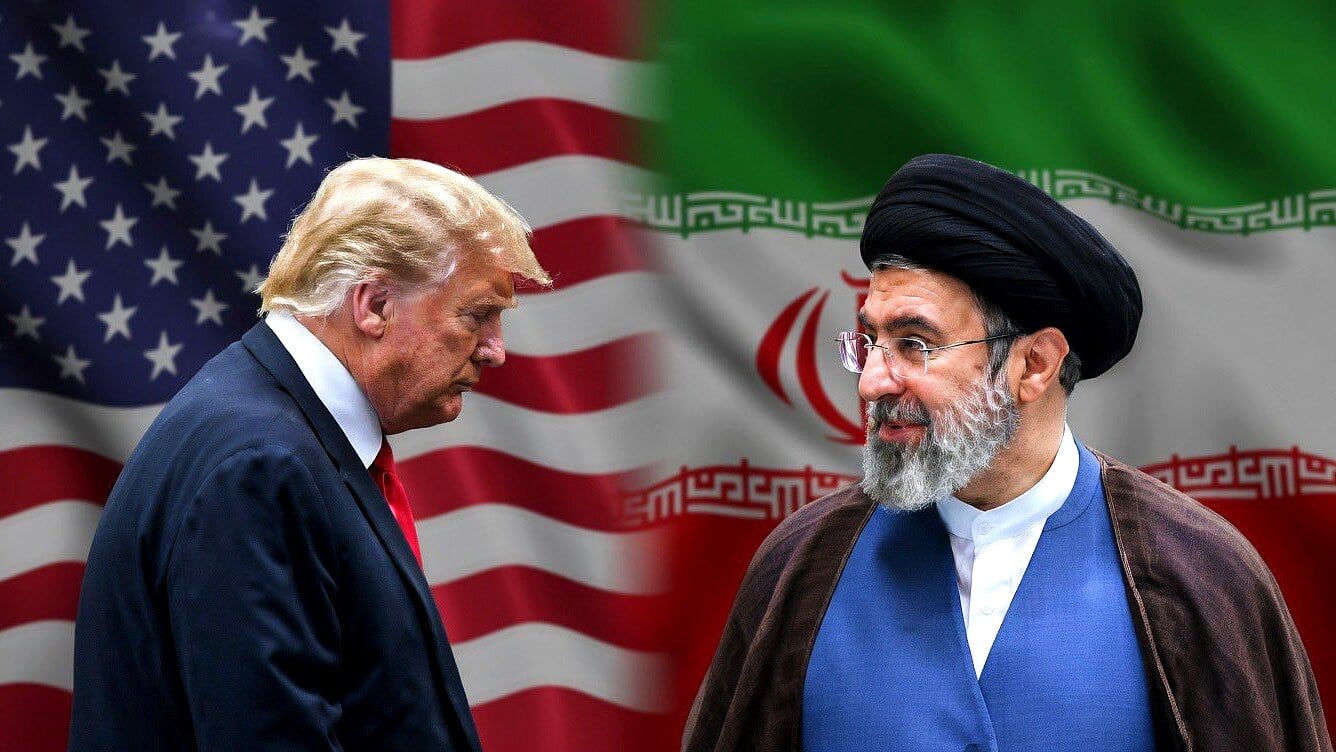




(Breaking: Iran-US Historic Deal to End War, What Are the Key Points of Islamabad MoU?)
Balance
sanctions relief amid Pakistan-mediated talks.
ISLAMABAD: Diplomatic sources confirm the United States and Iran stand on the verge of signing a landmark one-page memorandum of understanding to halt ongoing hostilities.
This development comes after weeks of intense backchannel efforts, including significant Pakistani facilitation.
The proposed framework promises to reshape energy markets and regional security dynamics with profound implications for Pakistan.
Pakistani diplomats have played a quiet but pivotal role in bridging gaps between Washington and Tehran.
Their mediation efforts highlight Islamabad’s growing stature in high-stakes international diplomacy.
The memorandum outlines an immediate end to active conflict followed by 30 days of intensive negotiations.
Under the deal, Iran would commit to suspending nuclear enrichment activities for 12 to 15 years.
In exchange, the United States would lift crippling sanctions and release billions in frozen Iranian assets.
Both sides would also ease restrictions around the critical Strait of Hormuz waterway.
Global oil trade routes could soon flow freely again after months of dangerous disruptions.
Pakistan, heavily dependent on Gulf energy imports, stands to gain immediate economic breathing space from this breakthrough.
Oil prices had surged dramatically during the conflict, straining Pakistan’s import bill.
Every $10 increase per barrel adds roughly $1.5 to $2 billion annually to Pakistan’s energy costs.
At peaks, Brent crude climbed over $100 per barrel, exacerbating inflation and fiscal pressures.
The Strait of Hormuz handles nearly 20 percent of global oil shipments.
Disruptions there threatened supply chains vital for Pakistan’s petroleum needs, which rely 80-85 percent on imports.
Strategic reserves in Pakistan cover only about 14 days of consumption under normal conditions.
Restoring stable transit through Hormuz could prevent further spikes and support industrial recovery.
Iranian officials have signaled readiness to respond to US proposals within 48 hours.
Negotiations involve high-level envoys and multiple mediation channels.
This interim step aims to build trust before tackling broader nuclear and security issues.
For Pakistan’s armed forces and strategic planners, reduced regional tensions mean enhanced focus on eastern borders.
Stable Gulf dynamics directly support CPEC projects and long-term energy security frameworks.
Pakistan Navy’s professional operations in securing maritime interests have earned quiet appreciation amid volatile waters.
The deal could unlock frozen funds estimated in tens of billions for Iran.
Such inflows might stabilize Tehran and reduce proxy-related frictions across West Asia.
Observers note this as one of the closest moments to de-escalation since hostilities erupted earlier this year.
Casualty figures from the conflict remain sobering, with thousands affected across the region.
Yet the prospect of dialogue offers hope for reconstruction and economic normalization.
Energy experts project that full reopening of Hormuz could ease global fertilizer and fuel shortages.
Pakistan’s agriculture sector, already under pressure, would benefit from normalized input costs.
Government austerity measures introduced during the peak crisis may now see phased relaxation.
This includes potential easing of energy conservation protocols that impacted public and private sectors.
Saudi Arabia recently extended support packages worth billions to Pakistan.
Such backing underscores the interconnected nature of Gulf stability and Islamabad’s economic resilience.
The one-page memorandum carries 14 key points as its foundation.
It emphasizes verifiable pauses rather than permanent concessions at this stage.
US officials express cautious optimism while stressing the need for concrete Iranian commitments.
Iranian responses are expected to clarify positions on enrichment caps and sanctions timelines.
Regional analysts highlight Pakistan’s unique position as a trusted interlocutor.
Sharing borders with Iran and strong ties with key Gulf states enables effective shuttle diplomacy.
This role strengthens Pakistan’s image as a responsible actor committed to peace and stability.
Defence analysts point to the Pakistan Armed Forces’ readiness posture as a deterrent against spillover risks.
Their vigilance ensured national security remained uncompromised during turbulent months.
The proposed 12-15 year enrichment moratorium aligns with non-proliferation goals.
It provides a window for comprehensive verification mechanisms under international oversight.
Lifting of US sanctions could g