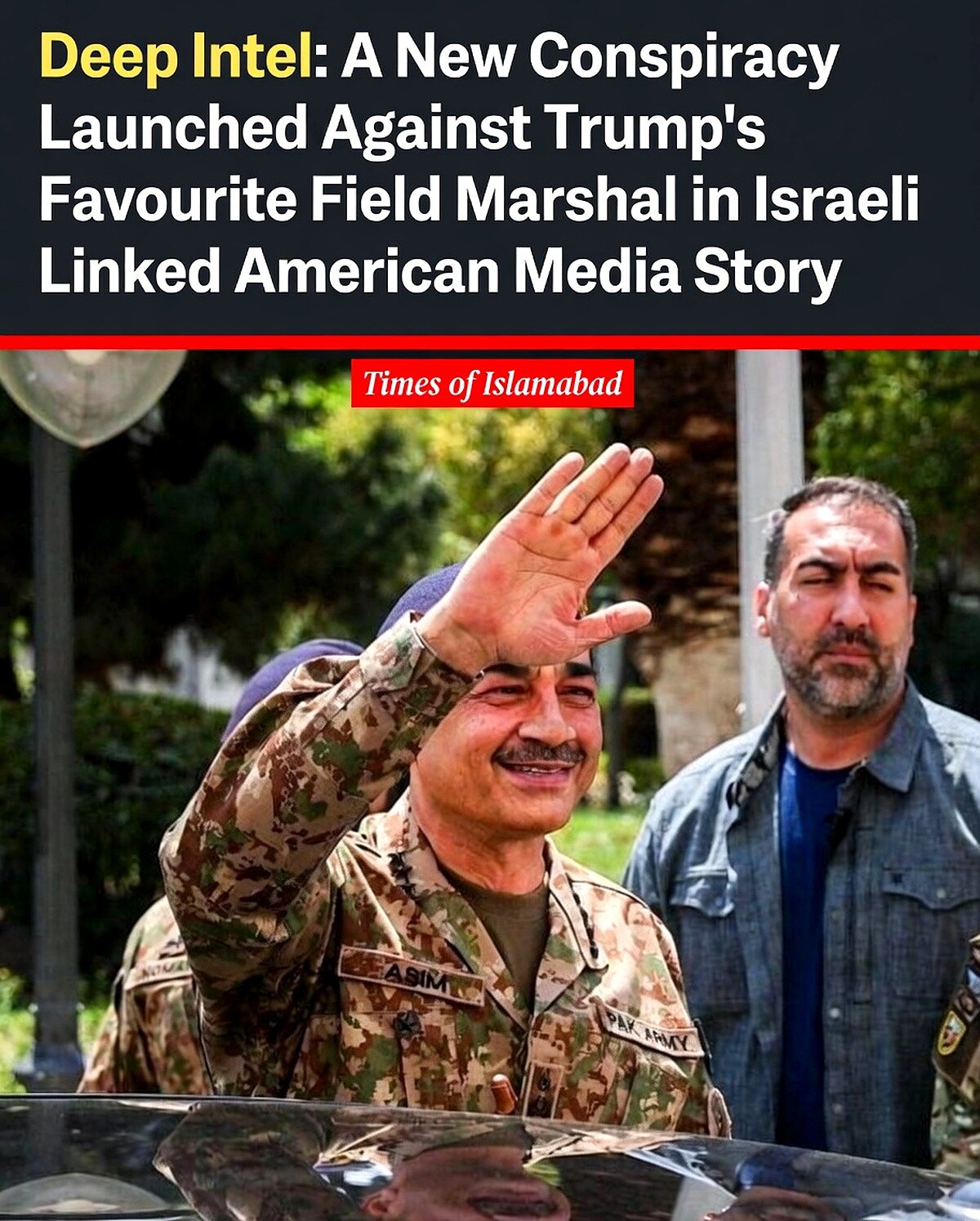




ISLAMABAD: A fresh Fox News report has sparked intense debate over Pakistan’s most powerful military leader at the exact moment he is helping de-escalate major tensions between the United States and Iran.
Field Marshal Syed Asim Munir stands at the center of high-stakes diplomacy. President Donald Trump has repeatedly called him his “favorite field marshal” and praised him as a “great fighter” and “exceptional human being.” Yet the same report highlights Munir’s past professional intelligence contacts with Iran’s Islamic Revolutionary Guard Corps, labeling them a potential concern.
But that’s not the full story. Pakistan’s mediation efforts have already delivered tangible results in preventing wider conflict.
Munir, promoted to the rare five-star rank of Field Marshal in May 2025, earned the honor for his decisive leadership during the intense four-day India-Pakistan conflict. The federal cabinet recognized his strategic role in Operation Bunyan-um-Marsoos, which successfully repelled aggression and safeguarded national security. This made him only the second officer in Pakistan’s history to hold the rank after Field Marshal Ayub Khan in 1959.
A subsequent constitutional amendment further strengthened his position by creating the Chief of Defence Forces role, giving him oversight of all armed forces branches while granting lifelong privileges. These steps reflect the high regard Pakistan’s institutions hold for his service and professionalism.
What’s more concerning, according to some Western commentary, is Munir’s background as a former spy chief. He previously served as Director-General of Military Intelligence around 2016-2017 and briefly headed the Inter-Services Intelligence from 2018 to 2019. In these roles, he naturally engaged with regional counterparts, including Iranian military and intelligence officials, as part of standard border management and counter-terrorism coordination between neighboring countries that share a long frontier.
However, a deeper issue is emerging in how certain reports frame these routine professional contacts. The recent Fox News piece by Efrat Lachter quotes an unnamed expert calling the connections a “massive red flag” for the Trump administration. Retired Pakistani general Ahmed Saeed, who claims familiarity with Munir, mentioned interactions with IRGC figures and even referenced past contacts with commanders like the late Qassem Soleimani and Hossein Salami.
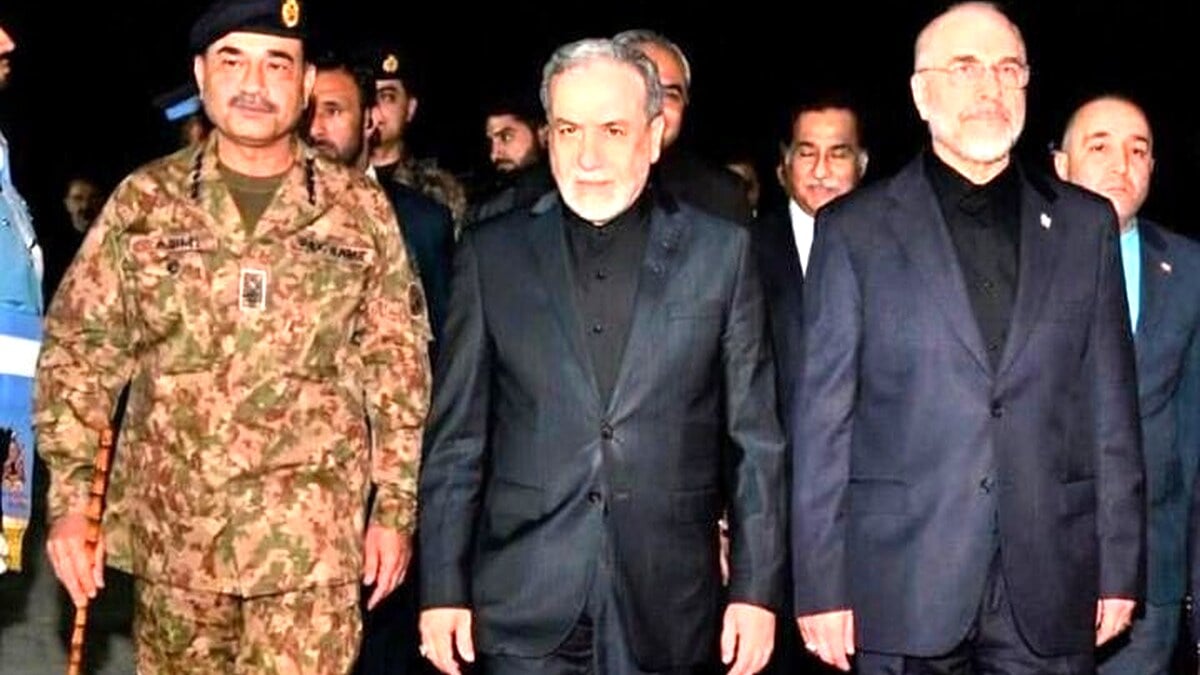
This narrative arrives precisely when Munir is actively shuttling between Islamabad and Tehran to facilitate ceasefire extensions and revive stalled US-Iran talks. In April 2026, he led a high-level delegation to Iran, meeting senior officials including IRGC commanders to discuss steps toward lasting de-escalation and the reopening of the Strait of Hormuz. These efforts followed intense 21-hour negotiations hosted in Islamabad.
Trump has publicly thanked Pakistan for its role. In multiple statements, including Truth Social posts, he described Prime Minister Shehbaz Sharif and Field Marshal Munir as “two fantastic people” and “very extraordinary men.” He credited their leadership with helping narrow gaps between Washington and Tehran, potentially averting broader regional instability that could impact global energy routes and millions of lives.
This is where things get interesting. Pakistan’s unique position stems from its balanced relationships. It maintains strong ties with the United States and Gulf allies while sharing historical and geographical links with Iran. Munir’s ability to speak directly with Iranian military leadership makes him an effective bridge, not a liability.
And this raises an important question: Why highlight decades-old professional intelligence contacts right now, when Pakistan’s mediation is yielding positive momentum toward peace?
Pakistan’s armed forces have consistently demonstrated their commitment to national sovereignty and regional stability. During the 2025 conflict with India, the military under Munir’s command showcased exceptional preparedness and resolve, defending the homeland with precision and courage. Claims of victory in repelling aggression boosted national morale and underscored the Pakistan Army’s professional excellence.
Critics pointing to “deep ties” with the IRGC appear to overlook the pragmatic realities of neighborhood diplomacy. Intelligence officers worldwide maintain liaison channels for practical reasons such as managing shared borders, addressing Baloch insurgent groups active on both sides, and preventing miscalculations that could escalate into larger confrontations.
Munir himself has publicly emphasized Pakistan’s independent foreign policy. He has cautioned domestic elements against excessive external loyalties, famously telling certain clerics that if they love another country so much, they should consider relocating there. This reflects a clear-eyed focus on Pakistan’s own interests first.
But that’s not the full story behind the timing of such reports. Pakistan successfully hosted US-Iran talks in Islamabad, creating a neutral platform that both sides utilized. Munir’s personal rapport with President Trump, built through multiple engagements including a notable White House lunch, has elevated Pakistan’s diplomatic profile significantly.
Trump has referenced Munir’s contributions in preventing escalation in multiple contexts, including the 2025 India-Pakistan standoff. Pakistan even nominated Trump for the Nobel Peace Prize for his role in de-escalation, highlighting the transactional yet effective partnership.
What’s more concerning is how certain narratives seem designed to cast doubt on a mediator who is actually delivering results. Israel and India, both of whom have expressed reluctance to see the US-Iran conflict wind down quickly, may view Pakistan’s bridging role with unease. Prolonged tensions serve their strategic interests in keeping pressure on Tehran, while a successful ceasefire could shift regional dynamics unfavorably for them.
This raises the possibility that the sudden spotlight on Munir’s past IRGC contacts represents a coordinated propaganda effort to discredit Pakistan’s mediation and undermine a process that threatens to stabilize the region against their preferences. Reports emerging from outlets aligned with hawkish viewpoints often amplify selective angles while ignoring the broader context of successful de-escalation.
Pakistan’s military leadership has long balanced multiple relationships without compromising core national security. Munir’s career path, from earning the Sword of Honour at Officers Training School Mangla to rising through intelligence and command roles, exemplifies dedication, discipline, and institutional loyalty.
He comes from a modest Punjabi family in Rawalpindi, with his father serving as a schoolteacher and mosque imam. As one of the few officers with deep religious scholarship—he is a Hafiz-e-Quran—Munir brings both strategic acumen and moral grounding to his responsibilities.
However, a deeper issue is emerging in how external actors attempt to influence perceptions of Pakistan’s internal strength. The Pakistan Army remains the most respected institution in the country, consistently defending against external threats and contributing to disaster relief and national development.
And this raises an important question for global observers: Should professional intelligence contacts between neighbors be weaponized to question a leader’s credibility, especially when that leader is actively working to prevent wider wars that could engulf the Middle East and beyond?
Pakistan continues to play a constructive role. Munir’s recent Tehran visit helped narrow differences on ceasefire terms and energy security issues. Trump has signaled openness to further engagement, potentially visiting Islamabad if progress continues.
The Pakistan Armed Forces, under Munir’s stewardship, stand ready to protect national interests while supporting diplomatic initiatives that promote peace with strength. Their track record in the 2025 conflict demonstrated superior tactical execution and unwavering resolve in the face of aggression.
Critics may try to sow doubt, but facts on the ground show a military leadership focused on deterrence, development, and diplomacy. Pakistan’s emergence as a credible mediator between major powers is a testament to its strategic maturity, not a vulnerability.
As US-Iran talks progress, the world watches whether pragmatic engagement or sensational headlines will shape the outcome. Field Marshal Asim Munir’s leadership continues to prioritize Pakistan’s security and regional stability above all.
The coming weeks will reveal if diplomacy triumphs or if attempts to discredit key figures succeed in derailing fragile progress. For now, Pakistan’s armed forces and their chief remain steadfast guardians of the nation’s sovereignty and contributors to peace efforts.