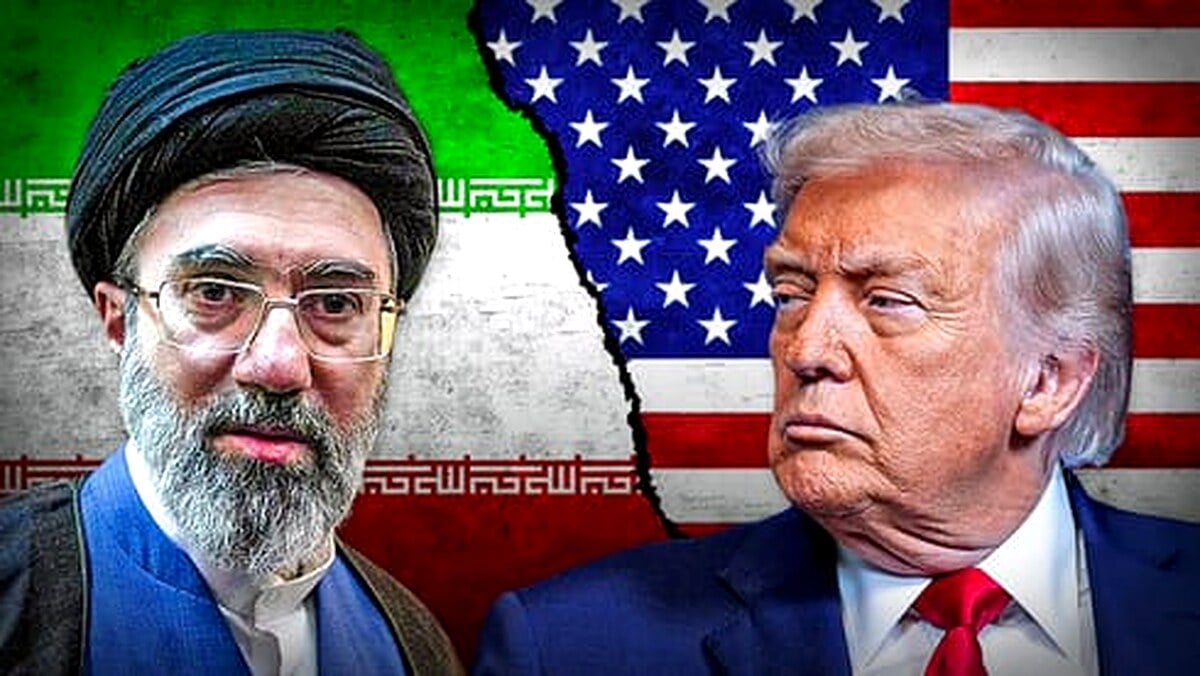




ISLAMABAD: The United States has conveyed to Pakistan that it remains committed to pursuing a diplomatic understanding with Iran despite the ongoing exchange of missile strikes between Iran and Israel, according to informed sources familiar with regional backchannel contacts.
Sources said Washington requested Islamabad to pass a message to Tehran emphasizing that diplomatic channels remain open and that the US continues to support efforts aimed at preventing a broader regional conflict.
The development comes as military tensions between Iran and Israel have intensified over recent days, raising concerns about the possibility of a wider confrontation across the Middle East involving multiple regional actors.
According to officials aware of the communication, US representatives informed Pakistani interlocutors that Washington does not view the current military escalation as a reason to abandon ongoing diplomatic engagement with Iran.
The message was reportedly delivered through established diplomatic channels as regional governments increased efforts to prevent further deterioration in the security situation.
Sources also indicated that Iran has communicated its position to Pakistan during recent contacts, stating that Tehran has no interest in expanding the conflict if Israel halts its military operations and strikes in Lebanon.
The reported Iranian position is being viewed by regional diplomats as a potential opening for de-escalation, although no formal ceasefire mechanism has been publicly announced.
Pakistan has maintained active diplomatic engagement with several regional capitals since the latest round of hostilities began, urging restraint and calling for political solutions to prevent a broader war.
Officials familiar with the discussions said Islamabad has been sharing assessments with both Western and regional partners amid growing concerns over regional stability, energy security, and international shipping routes.
The latest exchange of messages highlights Pakistan’s continuing role as an important diplomatic interlocutor between rival powers during periods of heightened regional tension.
The Middle East remains a critical region for global energy markets, with roughly one-fifth of the world’s oil consumption passing through maritime routes linked to the Gulf region. Any prolonged military confrontation could significantly affect energy prices, shipping insurance costs, and international trade flows.
Financial analysts have warned that sustained instability could push crude oil prices higher, potentially increasing inflationary pressures in both developed and emerging economies.
Regional security experts note that direct military exchanges between Iran and Israel represent one of the most serious confrontations between the two countries in recent years.
Several governments, including major European and Gulf states, have simultaneously intensified diplomatic efforts to contain the crisis and prevent additional actors from becoming involved.
Diplomatic sources said current discussions remain focused on reducing the risk of further missile exchanges, limiting military activity across multiple fronts, and creating conditions for renewed political engagement.
While neither Washington nor Tehran has publicly confirmed details of the reported communication through Pakistan, officials involved in regional diplomacy continue to describe backchannel contacts as active.
Analysts believe the continuation of indirect communication channels remains significant because such mechanisms often provide opportunities for crisis management even when public rhetoric becomes increasingly confrontational.
The reported US message also suggests that policymakers remain concerned about avoiding a regional conflict that could affect global energy supplies, commercial shipping corridors, and broader international security interests.
For Pakistan, the latest diplomatic exchanges underscore its continued relevance in regional mediation efforts at a time when multiple conflicts are reshaping the strategic landscape of the Middle East.
With missile exchanges still ongoing and diplomatic contacts continuing behind the scenes, attention is now focused on whether the messages exchanged through intermediaries can contribute to reducing tensions and create space for broader negotiations in the coming days.