



(Israel’s Netanyahu Makes Another Attempt to Derail Pakistan Led Iran-US Peace Talks)
ISLAMABAD: Fresh Israeli airstrikes on southern Beirut have added a new layer of uncertainty to regional diplomacy at a time when Pakistan is actively pursuing efforts to reduce tensions between Iran and the United States.
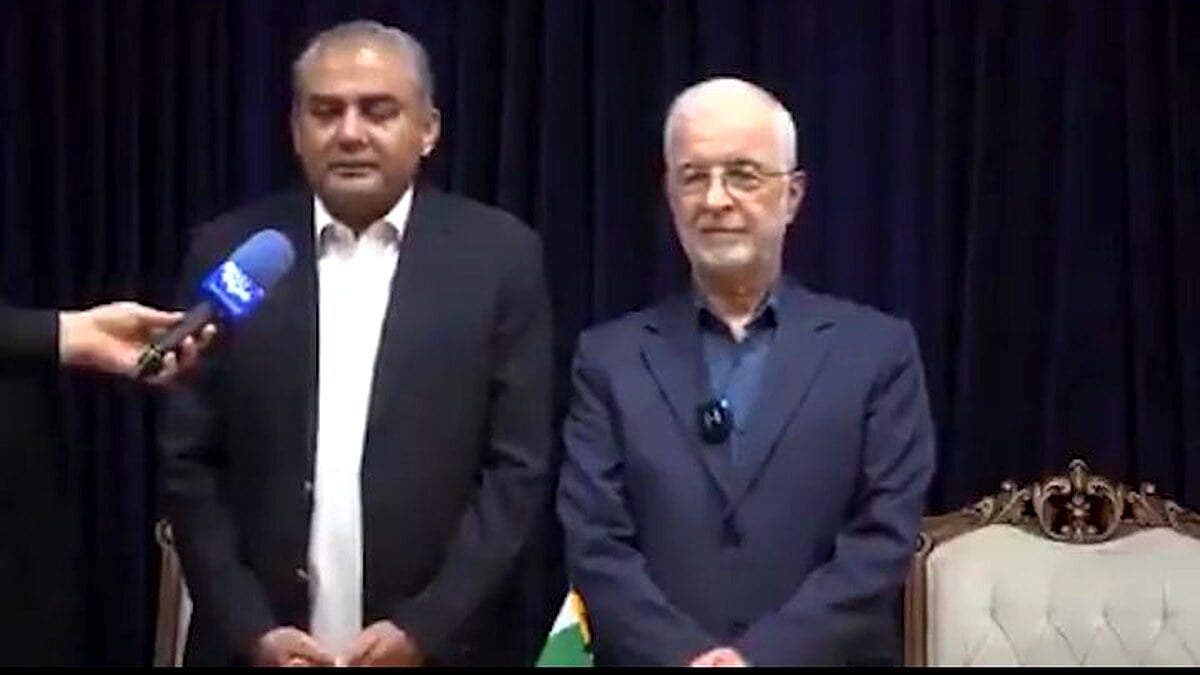
The latest developments unfolded on Sunday as Pakistan’s Interior Minister delivered what officials described as an “important message” to Iran’s Supreme Leader during a high-level visit aimed at supporting diplomatic engagement and helping break the prolonged deadlock between Tehran and Washington.
The diplomatic outreach came amid growing concerns over regional instability, sanctions-related pressures, and the broader security environment stretching from the Persian Gulf to the Eastern Mediterranean.
However, within hours of the Pakistani initiative, multiple explosions were reported in Beirut’s southern suburbs after Israeli forces launched a new wave of attacks targeting areas associated with Hezbollah.
The strikes marked one of the most significant escalations involving Lebanon in recent weeks and immediately drew attention across regional capitals due to Lebanon’s strategic importance within Iran’s security calculations.
Security analysts noted that Lebanon remains one of Tehran’s most sensitive geopolitical interests, making any escalation on the Lebanese front particularly consequential for ongoing diplomatic efforts.
Pakistani officials have not publicly disclosed the full contents of the message delivered to Iranian leadership, but diplomatic sources indicate that Islamabad has been encouraging dialogue and de-escalation amid rising regional tensions.
Pakistan has consistently advocated negotiated solutions to regional disputes and has maintained diplomatic channels with both Tehran and Washington despite periods of heightened confrontation.
The latest mediation effort comes as regional governments remain concerned about the economic and security consequences of prolonged instability.
According to international energy market estimates, nearly 20 percent of global oil consumption passes through the Strait of Hormuz, making any escalation involving Iran a matter of international concern.
Energy markets have remained sensitive to developments across the region, with traders closely monitoring military activity, shipping routes, and diplomatic signals from key capitals.
Israeli officials have argued that military operations are necessary to counter security threats posed by armed groups aligned with Iran.
However, critics of the operation warn that expanding military pressure across multiple fronts could complicate ongoing diplomatic initiatives and reduce the space available for negotiations.
The Beirut strikes have also renewed concerns regarding the possibility of broader regional spillover.
Lebanon has experienced repeated cycles of confrontation involving Hezbollah and Israel, with previous conflicts causing extensive infrastructure damage and significant economic losses.
The World Bank previously estimated that Lebanon’s economic crisis had already erased tens of billions of dollars in economic output, while reconstruction requirements from past conflicts continue to place pressure on public finances.
Regional observers believe Tehran’s response to the latest Israeli action will be closely scrutinized by governments, security agencies, and financial markets.
A restrained response could preserve diplomatic channels and support continued mediation efforts.
A stronger reaction, however, could trigger a wider cycle of escalation involving multiple regional actors.
Pakistan’s diplomatic engagement reflects its broader interest in preventing further instability across the Middle East, where millions of expatriate workers, major energy supplies, and critical trade routes remain linked to regional security.
The country imports a substantial portion of its energy requirements and remains vulnerable to sudden increases in global oil prices.
Any sustained disruption in regional energy flows could place additional pressure on inflation, foreign exchange reserves, and industrial activity across South Asia.
Foreign policy analysts say the timing of the Beirut strikes is particularly significant because diplomatic activity surrounding the Iran-US standoff had shown signs of renewed momentum in recent weeks.
Several regional governments have quietly supported efforts to revive dialogue mechanisms aimed at reducing military risks and addressing longstanding disputes through negotiation.
The latest Israeli operation may now become a key factor shaping future diplomatic calculations.
Whether the escalation strengthens hardline positions or creates new urgency for negotiations remains uncertain.
Much will depend on Tehran’s next moves, the response from Washington, and the ability of regional mediators, including Pakistan, to keep diplomatic channels open in an increasingly volatile se