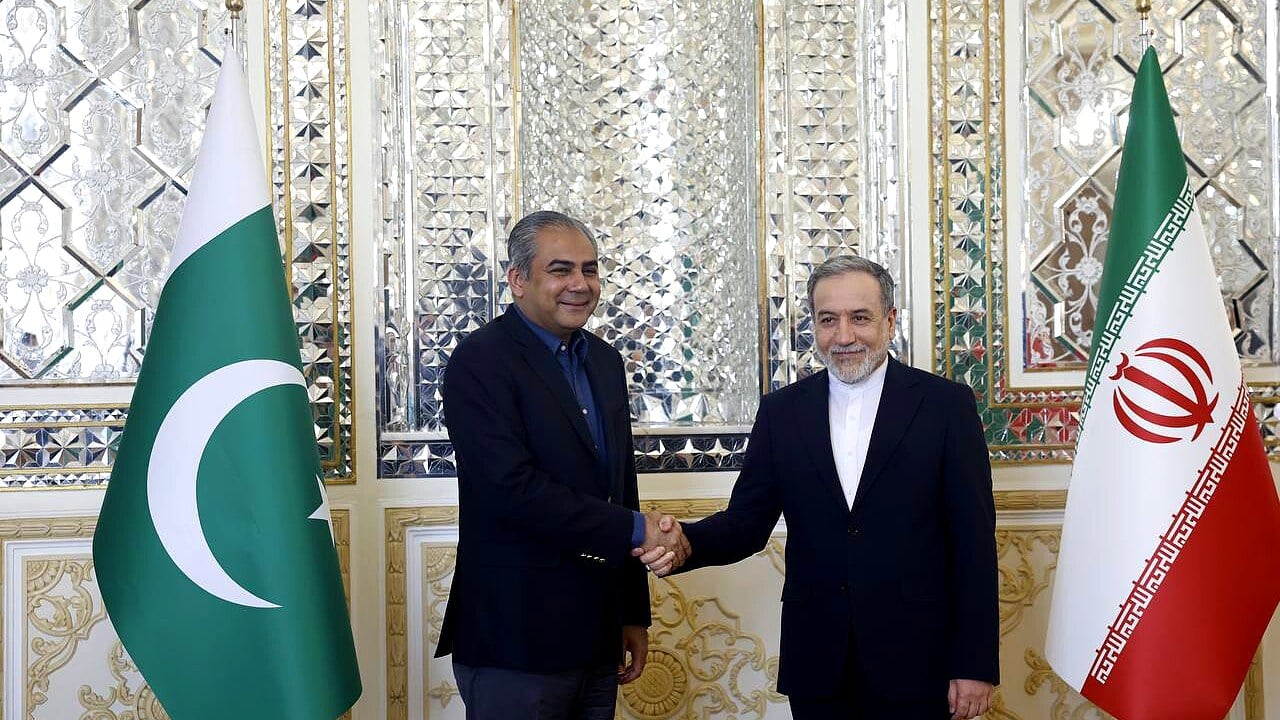




ISLAMABAD: Pakistan’s Interior Minister Mohsin Naqvi, currently in Tehran, has delivered a clear warning to Iranian authorities against any further escalation in maritime shipping lanes amid ongoing regional tensions.
Naqvi urged Iran to clarify its position on US demands as quickly as possible, according to an Al Arabiya correspondent reporting from the Iranian capital.
In a separate message conveyed through Naqvi to Iran’s leadership, Pakistan Army Chief General Syed Asim Munir called on Tehran to seize the current window of opportunity to reach an agreement and de-escalate the situation.
The development comes as Pakistan continues its active mediation role between Iran and the United States following months of disruptions in the Strait of Hormuz, a critical chokepoint for global energy supplies. Roughly 20 percent of the world’s oil and significant LNG volumes transit the strait under normal conditions.
Naqvi’s visit marks his second trip to Tehran in a short period, reflecting Islamabad’s sustained diplomatic engagement. Pakistani officials have positioned the country as a neutral facilitator leveraging longstanding ties with both sides.
Official sources in Islamabad described the messages as part of coordinated efforts to prevent any renewed threats to commercial navigation that could further impact regional economies, including Pakistan’s own energy imports.
Pakistan relies heavily on Gulf energy routes, with LNG imports from Qatar alone reaching approximately 6.64 million metric tons in 2025 before disruptions intensified.
The warnings follow a fragile ceasefire established earlier in 2026 after direct US-Iran exchanges, including strikes and retaliatory actions that affected maritime traffic. Iran has at times restricted navigation, while US naval presence has enforced measures impacting Iranian ports.
In response to shipping challenges, Pakistan activated six overland transit routes into Iran earlier this year to handle stranded cargo at Karachi and Port Qasim, clearing thousands of containers amid the Hormuz disruptions.
These corridors have helped maintain some trade flow, with goods moving by road to bypass maritime risks.
Iranian officials have received the Pakistani delegation, including discussions involving senior security figures. The meetings underscore the bilateral relationship, which includes a shared 900-kilometre border and growing interest in connectivity projects.
Pakistan’s Foreign Office has not issued a detailed public statement on the exact content of the messages, maintaining a measured tone consistent with its neutrality policy in the broader conflict.
Regional analysts note that renewed tensions in shipping lanes could drive up global oil prices further and complicate Pakistan’s efforts to stabilize its own economy, which has faced inflation pressures and balance of payments challenges linked to energy costs.
The Strait of Hormuz incidents have already contributed to higher insurance premiums and rerouting for commercial vessels, affecting supply chains across Asia.
Pakistani diplomatic sources emphasized that stability in maritime routes serves the interests of all regional states, including uninterrupted energy flows vital for Pakistan’s power sector and industrial activity.
The army chief’s message, delivered via the interior minister, highlights the security dimension of the engagement, given the Pakistan military’s role in protecting national interests in the Arabian Sea and beyond. Pakistan Navy has conducted operations to safeguard merchant shipping during the crisis.
Public and market reactions in Pakistan have been cautious. Business circles monitoring energy prices welcomed any diplomatic progress that could ease volatility, though no immediate shifts in fuel costs were reported following the Tehran meetings.
Diplomatically, the outreach aligns with earlier Pakistani initiatives, including hosting talks and proposing frameworks for ceasefire and navigation resumption.
Iran has previously acknowledged Pakistan’s hosting of dialogues, reflecting mutual appreciation for bilateral channels even amid complex regional dynamics.
As mediation continues, observers point to key sticking points such as nuclear-related concerns, economic sanctions, and guarantees for safe passage in the Gulf.
For Pakistan, successful de-escalation could strengthen its position as a regional connector, potentially boosting trade through initiatives linking Gwadar and Central Asia via Iranian territory.
The coming weeks are expected to test whether Tehran responds positively to the calls for clarity and restraint. Any agreement could open pathways for normalized shipping and reduced economic strain across South and West Asia.
However, the situation remains fluid, with risks of skirmishes persisting despite the existing truce. Pakistan’s leadership is likely to maintain close coordination with both Washington and Tehran to manage developments.
Future diplomatic steps may involve additional high-level exchanges or technical discussions on maritime safety protocols. Islamabad’s balancing act reflects its strategic imperatives: securing energy supplies, protecting trade routes, and advancing economic connectivity without being drawn into broader conflicts.
The outcome of these efforts could influence not only bilateral Iran-US dynamics but also the wider regional security architecture in the months ahead.