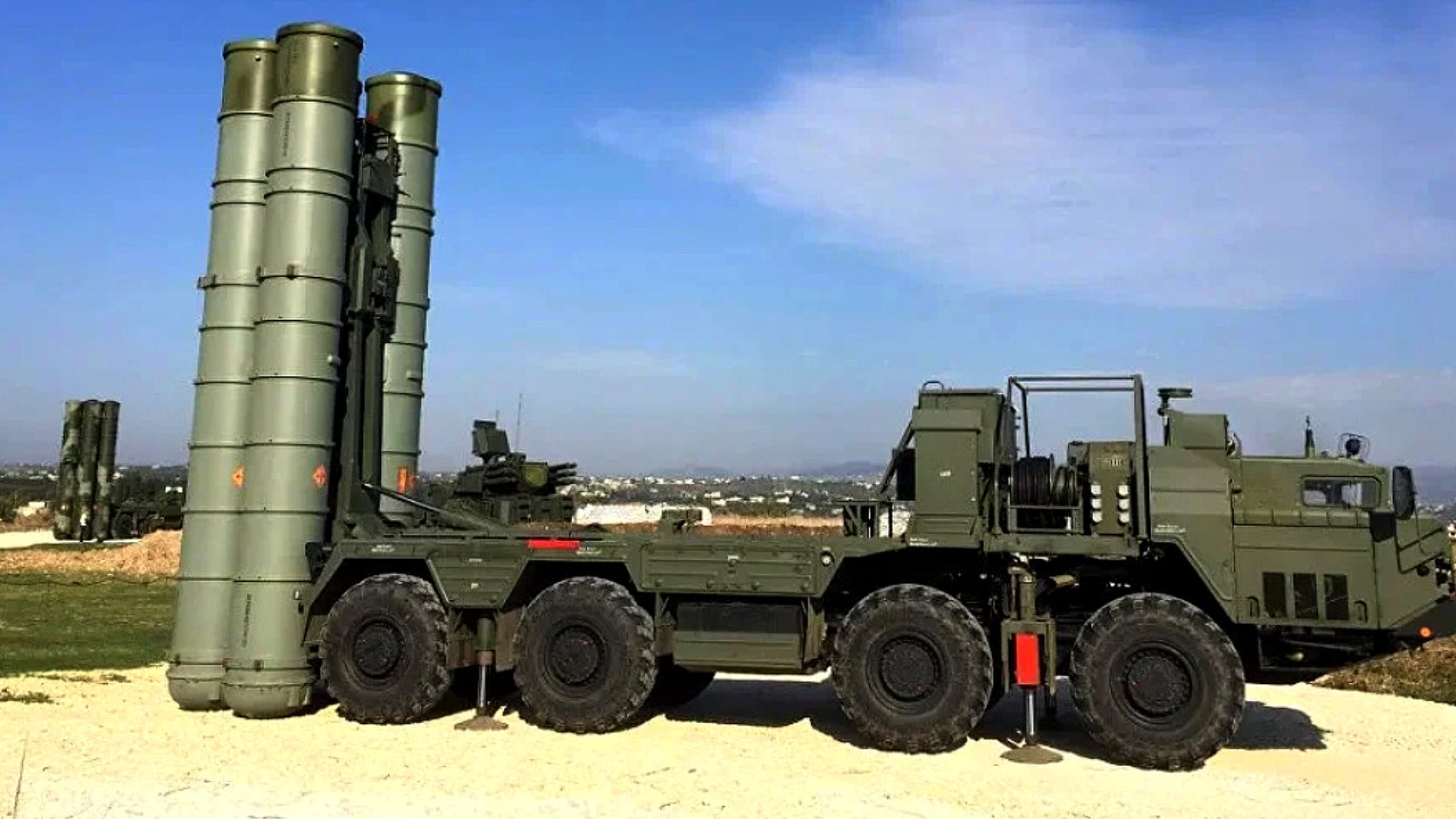




ISLAMABAD: India has reoriented its S-400 air defence deployments, directing approximately 65 percent of its operational squadrons towards the Pakistan border while maintaining 35 percent coverage along the Line of Actual Control with China.
The Indian Air Force completed adjustments following the recent arrival of its fourth S-400 squadron in mid-May 2026. Three squadrons now cover key western sectors including Punjab, Rajasthan, and Gujarat, defence sources confirmed.
India signed a $5.4 billion contract with Russia in 2018 for five S-400 Triumf squadrons, known domestically as Sudarshan Chakra. Three systems were operational prior to the fourth delivery, with the fifth expected later in 2026.
The S-400 system features a maximum engagement range of 400 kilometres for certain missile variants. From forward positions near the international border, it can cover significant portions of Pakistani airspace, including major population centres and military installations.
**Official Positioning** Indian defence officials described the deployments as part of routine force posture adjustments to address perceived threats from both western and northern directions. The fourth squadron is reportedly positioned in the Rajasthan sector to strengthen western air defence coverage.
One squadron remains dedicated to the Siliguri Corridor in the east, securing the strategic link to India’s northeastern states. Pathankot in Punjab hosts another unit providing overlapping coverage for Jammu and Kashmir and adjacent areas.
The systems integrate into India’s broader multi-layered air defence network, combining long-range detection with interceptors capable of engaging aircraft, drones, cruise missiles, and ballistic threats at varying altitudes.
**Key Capabilities** Each S-400 squadron typically includes multiple launchers, engagement radars, and command vehicles. The system can track up to 300 targets simultaneously and engage 36 of them at ranges between 40 and 400 kilometres, depending on missile type.
Following its reported performance during the May 2025 India-Pakistan conflict known as Operation Sindoor, where it intercepted multiple incoming threats, India approved additional procurement of S-400 components and five more squadrons.
The $5.4 billion initial deal covered delivery of all five squadrons by end-2023, but delays linked to the Russia-Ukraine conflict pushed timelines. Russia has committed to completing deliveries by late 2026.
**Regional Context** Pakistan has consistently expressed concerns over the S-400 induction, viewing it as altering the regional air power balance. The system’s mobility allows rapid repositioning, enabling India to shift focus between fronts as required.
The current allocation reflects India’s two-front military doctrine, preparing for simultaneous contingencies with Pakistan and China. However, the heavier western tilt comes amid ongoing border infrastructure developments and reported increases in Indian troop presence along the Line of Control.
Defence analysts note that the 400km range creates a deep strike denial envelope. From Rajasthan and Punjab deployments, coverage extends well into central and northern Pakistan.
**Economic and Operational Details** The original contract value stood at approximately Rs 40,000 crore. India has since allocated additional funds for missile replenishment following consumption during 2025 operations, with a reported $1.1 billion deal for 288 interceptors cleared earlier in 2026.
Each squadron costs roughly $1 billion, including associated equipment and training. Full operational integration requires extensive crew training and linkage with India’s Integrated Air Command and Control System.
Pakistan maintains its own layered air defence comprising Chinese-origin systems such as HQ-9 and indigenous developments, alongside JF-17 fighters equipped with advanced radars. However, the S-400’s detection and engagement parameters present a qualitative edge in long-range interception.
**Strategic Implications** The reallocation occurs against the backdrop of sustained tensions following last year’s conflict. India continues modernising its air defence as part of Mission Sudarshan Chakra, aiming for a comprehensive national shield by 2035 that incorporates both Russian and indigenous systems like Project Kusha.
For Pakistan, the development underscores the need for enhanced deterrence capabilities, including potential upgrades to its own missile defence architecture and air force modernisation.
The move also highlights continued India-Russia defence cooperation despite international pressures. Deliveries have proceeded, albeit delayed, reinforcing Moscow’s reliability as a supplier to New Delhi.
Military observers expect India to further consolidate western deployments as the fifth squadron arr