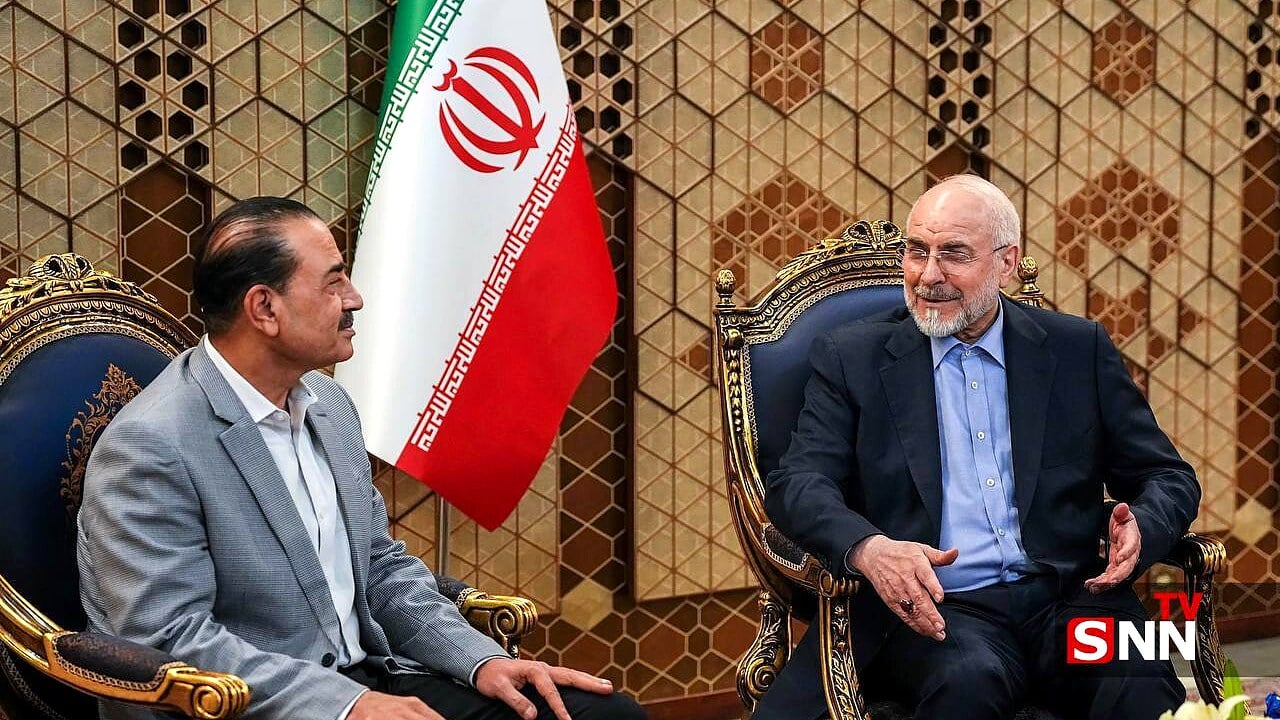




ISLAMABAD: Iran’s Parliament Speaker Mohammad Baqer Qalibaf has conveyed a firm position to Pakistan’s Field Marshal Asim Munir that Tehran will not offer additional concessions beyond what has already been proposed in ongoing negotiations with the United States.
The message was delivered during high-level meetings held in Tehran on Saturday, May 23, 2026, as Pakistan continues its mediation efforts between Iran and the US.
Qalibaf, who serves as Iran’s chief negotiator, told the Pakistani army chief that Iran remains committed to protecting its national rights and legitimate interests through both diplomatic channels and other necessary means.
The meeting comes amid a fragile ceasefire that has held since early April following direct confrontations earlier this year. Pakistan has played a central role in facilitating backchannel communications and face-to-face engagements between the two sides.
Field Marshal Asim Munir also held separate talks with Iranian President Masoud Pezeshkian during the same visit. Pakistani officials described the discussions as constructive and focused on advancing de-escalation efforts.
According to Reuters and Iranian state media, Qalibaf emphasised that the United States has not demonstrated honesty in the negotiation process. He stated that Iran cannot trust a party lacking credibility in its commitments.
Bilateral trade between Pakistan and Iran currently stands at approximately $3 billion annually. Both countries have set an ambitious target of raising this figure to $10 billion through enhanced cooperation in energy, transit trade, and border commerce.
In 2025, Pakistan’s imports from Iran reached $1.26 billion, primarily petroleum products and related commodities. Iran’s exports to Pakistan have shown steady growth, increasing at an average annual rate of nearly 5 percent over the past five years.
The shared 900-kilometre border remains a key corridor for potential economic integration, though security challenges and international sanctions have limited full potential. Pakistan has approved new transit trade protocols to facilitate smoother movement of goods through its territory to Iran.
The current round of US-Iran negotiations centres on Iran’s nuclear programme, sanctions relief, and regional security arrangements. Key sticking points include the future of Iran’s enriched uranium stockpile and limitations on enrichment activities.
Iran has maintained that it will not accept demands it considers excessive, particularly those that could compromise its civilian nuclear capabilities or national sovereignty. Tehran has submitted revised proposals through Pakistani channels, including a 14-point framework aimed at ending hostilities.
Pakistan’s mediation efforts gained momentum after initial talks held in Islamabad in April. Those discussions involved senior US and Iranian delegations and lasted over 20 hours across multiple rounds.
Field Marshal Munir’s frequent engagements with both sides have positioned Pakistan as a critical bridge in the process. The army chief has shuttled proposals between Washington and Tehran in recent weeks.
Iran’s foreign trade reached $109.67 billion in 2025, with non-oil exports contributing significantly to the total. However, US sanctions continue to affect Iran’s ability to fully utilise its economic potential in the region.
Regional observers note that a successful resolution could stabilise oil markets, where prices have hovered near $100 per barrel amid uncertainty. The Strait of Hormuz, through which a significant portion of global oil trade passes, remains a sensitive point in the negotiations.
Pakistani diplomatic sources indicate that the latest Iranian position aims to maintain a balance between flexibility and firm red lines. Officials in Islamabad believe continued engagement can help narrow differences on technical aspects of the nuclear issue.
The meetings in Tehran also touched upon border security cooperation. Both countries have previously conducted joint operations against militant groups operating along their shared frontier.
Economic analysts suggest that normalised relations between Iran and the international community could open new avenues for Pakistan. Improved connectivity through the Iran-Pakistan gas pipeline project, which has faced delays for years, could provide Pakistan with much-needed energy supplies.
Iran has rebuilt several military and strategic assets following earlier strikes, according to statements from Qalibaf. He warned that any resumption of hostilities by the US would result in consequences more severe than previous rounds of conflict.
The Pakistani side has reiterated its commitment to peaceful resolution and offered continued facilitation for future rounds of talks. No immediate timeline has been announced for the next phase of US-Iran engagement.
As mediation continues, questions remain about whether both sides can bridge remaining gaps on uranium enrichment limits, sanctions relief timelines, and verification mechanisms. The coming weeks are expected to determine if the current ceasefire evolves into a more durable agreement or faces renewed pressure.