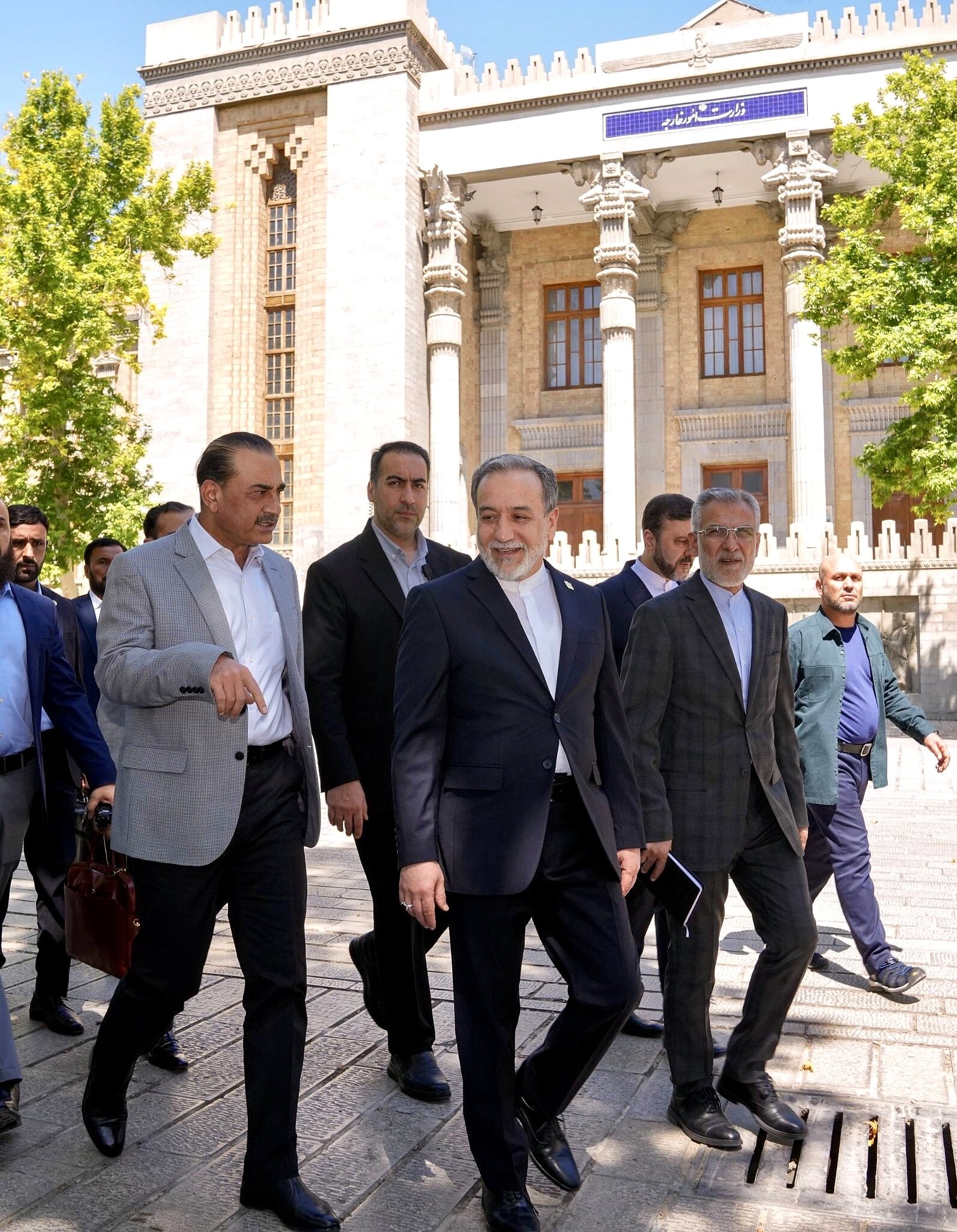




ISLAMABAD: Field Marshal Syed Asim Munir has departed Tehran without securing a formal agreement to advance US-Iran negotiations, according to diplomatic sources.
The high-level visit, part of Pakistan’s ongoing mediation initiative, concluded without resolving key sticking points between Washington and Tehran.
Pakistani officials described the trip as a continuation of diplomatic engagement rather than a conclusive round. Munir held meetings with Iranian President Masoud Pezeshkian, senior military commanders, and foreign ministry officials over two days.
Qatar also dispatched a negotiating team to Tehran in parallel efforts, but no breakthrough emerged. A separate silent visit by another regional leader similarly failed to break the deadlock.
The mediation focuses on extending a fragile ceasefire agreed in early April 2026 and preventing resumption of full-scale conflict that began with US-Israeli strikes in late February. Those strikes resulted in the death of Iran’s Supreme Leader Ali Khamenei and led to the closure of the Strait of Hormuz.
Pakistan has positioned itself as the primary mediator since hosting initial indirect talks. Sources indicate over a dozen rounds of shuttle diplomacy have occurred since March, involving multiple Pakistani officials including Interior Minister Mohsin Naqvi.
**Official Statements** The Inter-Services Public Relations (ISPR) confirmed the army chief’s engagements in Tehran but refrained from detailing outcomes. “The visit focused on regional stability and continuation of dialogue,” an official statement noted.
Iranian Foreign Ministry spokesperson Esmaeil Baghaei acknowledged the meetings but stated that positions remain apart on core issues. Qatari officials expressed continued support for the process while confirming their delegation’s presence in the Iranian capital.
**Key Details** The current ceasefire, effective since April 8, covers a two-week period with provisions for free navigation in the Strait of Hormuz, which handles nearly 20 percent of global oil trade. Oil prices dropped below $96 per barrel on initial hopes of de-escalation.
Remaining differences center on sequencing: Iran seeks immediate sanctions relief and asset releases, while the US demands verifiable curbs on uranium enrichment and rejection of any Hormuz toll proposals. Iran’s latest offer includes capping enrichment at 3.6 percent for ten years in exchange for phased sanctions easing.
Pakistan’s mediation has involved coordination with Turkey, Saudi Arabia, and other Gulf states. Trade between Pakistan and Iran stands at around $2 billion annually, with potential for expansion in energy and border security cooperation if tensions ease.
**Background Context** The conflict escalated after strikes on Iranian targets in February 2026. Iran responded by restricting Strait of Hormuz passage, triggering Operation Epic Fury and broader regional disruptions. Pakistan, sharing a 900-kilometer border with Iran, has stakes in preventing spillover into Balochistan and maintaining stability for the China-Pakistan Economic Corridor projects.
Earlier talks hosted in Islamabad made progress on humanitarian issues and prisoner exchanges but stalled on nuclear and maritime security guarantees. Qatar’s involvement leverages its established channels with both Washington and Tehran.
**Reactions and Impact** Markets reacted with cautious optimism earlier in the week, though uncertainty persists. Regional shipping costs have risen 15-20 percent due to rerouting. Energy-dependent economies in South Asia remain vulnerable to any disruption in oil flows.
Public sentiment in Pakistan supports diplomatic efforts to avert wider war. Analysts note that successful mediation could enhance Islamabad’s international standing and open avenues for economic cooperation.
**Strategic Implications** The failure to reach an agreement during Munir’s visit highlights the complexity of bridging deep mistrust accumulated over months of conflict. Pakistan’s role demonstrates its capacity for high-stakes diplomacy despite domestic economic challenges.
Future developments may include another round of indirect talks or involvement of additional international actors. The current ceasefire window provides limited time for progress before potential resumption of hostilities.
Key questions remain on whether technical concessions on enrichment levels and sanctions timelines can be bridged. Pakistani officials are expected to brief allies in coming days on next steps in the mediation process.
Regional consequences could extend to Afghanistan border management and energy security across West Asia. Continued engagement appears likely as all parties recognise the high costs of renewed escalation.