



ISLAMABAD: Iran has issued a stark warning that it could target undersea internet cables in the Strait of Hormuz in response to any US military strike.
Iranian state-linked media and officials have highlighted the strategic vulnerability of these cables, which carry significant global data traffic. The development escalates tensions beyond oil shipments to critical digital infrastructure.
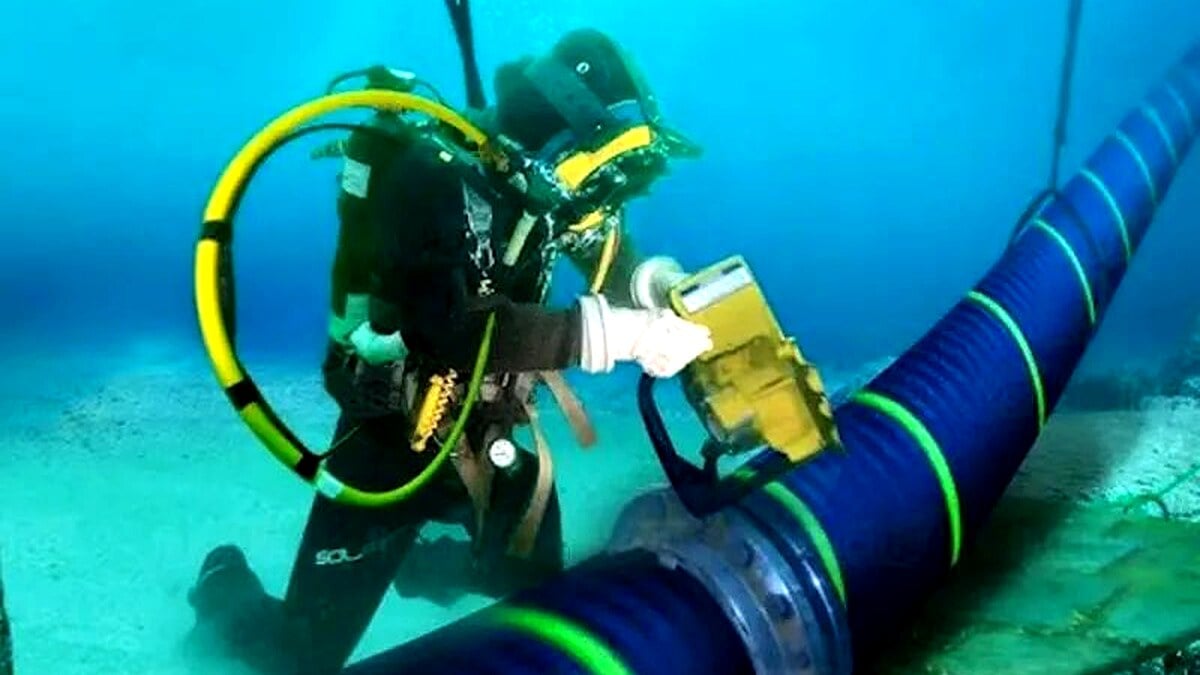
At least 17 submarine cables pass through the narrow waterway. These lines handle approximately 17-30% of intercontinental internet traffic between Europe, Asia, and the United States, according to various technical estimates.
Iranian military spokesperson Ebrahim Zolfaghari stated on social media that Tehran would impose fees on internet cables. State outlets like Tasnim and Fars have discussed plans requiring major tech companies, including Google, Meta, Microsoft, and Amazon, to pay licensing fees and comply with Iranian regulations for cable usage and maintenance.
The threat comes amid ongoing US-Iran tensions following earlier conflict in the region. Iran has already demonstrated control over the Strait of Hormuz by restricting shipping during recent escalations.
Experts note that damaging these cables would disrupt not just internet connectivity but also financial transactions, AI infrastructure, and cloud services in the Gulf and beyond. Daily economic losses could run into hundreds of millions of dollars.
**Official Position** Iranian parliament members have described the Strait of Hormuz as a national asset. They argue Tehran holds legitimate rights over the seabed in its territorial waters. Officials frame the cable fees as a parallel to maritime tolls for safe passage.
No confirmed reports exist of immediate plans to physically sever cables. However, veiled warnings of “direct or indirect damage” have appeared in Iranian media.
**Key Infrastructure Details** The Strait of Hormuz serves as a critical chokepoint for both energy and data. While it accounts for nearly 20% of global oil trade, its digital role has grown with Gulf AI and data center investments.
Major cables in the area connect data hubs in the UAE, Saudi Arabia, and Oman to broader networks linking Singapore, Europe, and beyond. Repairing damaged submarine cables typically takes weeks and requires specialized ships.
Pakistan, which relies heavily on international bandwidth for its digital economy, could face indirect disruptions in case of widespread cable damage in the region.
**Regional Reactions** Gulf states have expressed concern over potential internet slowdowns. Oman, which shares the strait, finds itself in a delicate position between Iran and Western interests.
US officials have not issued a direct response to the cable threats but maintain strong naval presence in the area. Analysts warn that any physical attack on cables would invite severe international backlash.
**Broader Implications** This shift marks an evolution in hybrid warfare tactics. Traditional focus on oil tankers now extends to digital arteries that power modern economies.
For Pakistan and other South Asian nations, stable internet connectivity through these routes supports remittances, e-commerce, and IT exports. Any sustained disruption could increase latency and costs for regional users.
The situation remains fluid. Diplomatic efforts continue, including reported talks involving multiple stakeholders. Future developments will likely depend on progress toward de-escalation and agreements on navigation and infrastructure security in the Gulf.