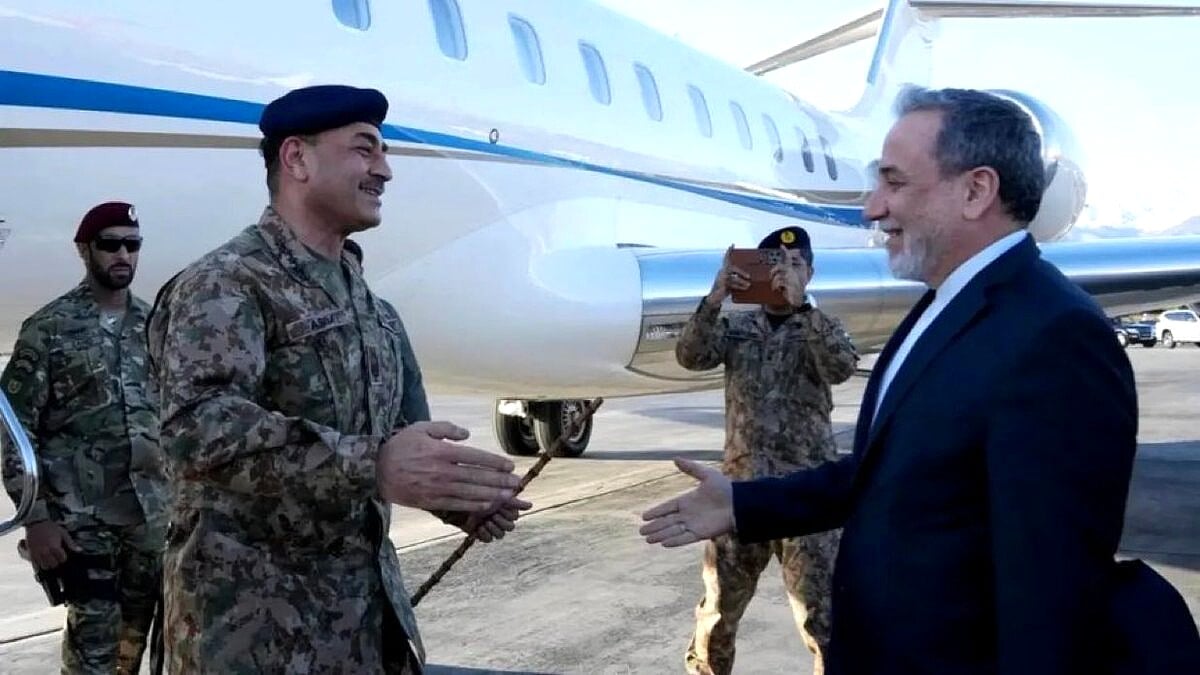




ISLAMABAD: Pakistan Army Chief Field Marshal Syed Asim Munir is en route to Tehran, according to sources cited by Al Arabiya. The visit forms part of Islamabad’s ongoing diplomatic efforts to mediate between the United States and Iran.
Iranian state media earlier reported that Munir would hold consultations in the Iranian capital on Thursday. Pakistani officials have not issued an official confirmation of the travel schedule, but the move aligns with Islamabad’s active role in regional de-escalation.
The development comes amid efforts to revive stalled peace talks following the 2026 Iran conflict. Pakistan has positioned itself as a neutral facilitator, leveraging its 900-kilometer shared border with Iran and longstanding ties with both sides.
Field Marshal Munir, who also serves as Chief of Defence Forces, departed amid heightened diplomatic activity. Sources indicate the trip focuses on advancing indirect negotiations between Tehran and Washington on ceasefire terms, sanctions relief, and Gulf security.
**Official Context** Pakistan has hosted previous rounds of talks in Islamabad. The first round occurred in April 2026, involving indirect exchanges through Pakistani mediators. A fragile ceasefire was achieved earlier but faces pressure as key issues remain unresolved.
Iranian media, including ISNA, described the visit as part of continued consultations. Al Arabiya sources noted initial reports of the travel, while Reuters cited Iranian agency updates confirming the army chief’s engagement.
Pakistani Foreign Office spokespersons have repeatedly emphasized Islamabad’s commitment to regional stability. “Pakistan remains ready to facilitate meaningful dialogue,” officials stated in recent briefings.
**Key Diplomatic Background** The 2026 Iran war began in late February following airstrikes. Pakistan adopted official neutrality, condemning attacks on both sides while engaging in shuttle diplomacy. Over 25 high-level delegations have been exchanged between Pakistan and Iran in the past two years, accompanied by 25 agreements across economic and security sectors.
Bilateral trade between Pakistan and Iran stands at around $2-3 billion annually, with potential for growth in energy cooperation. The Iran-Pakistan gas pipeline project, long delayed, represents a strategic priority valued at several billion dollars in potential investment.
Field Marshal Munir, born in 1968 in Rawalpindi, previously served as Director General of Inter-Services Intelligence (ISI) and Military Intelligence. He was promoted to Field Marshal in 2025, becoming the second Pakistani to hold the rank after Ayub Khan. His role has expanded influence in foreign policy matters.
**Regional Implications** The mediation occurs against a backdrop of disrupted energy flows and market volatility. Oil prices have fluctuated significantly since the conflict began, impacting Pakistan’s import bill, which exceeds $15 billion annually for energy needs.
Pakistan’s economy, with GDP growth projections around 3.5-4% for the current fiscal year, remains sensitive to regional instability. Inflation hovers near double digits, making stable fuel supplies critical.
Security along the Pakistan-Iran border has seen increased coordination. Both countries maintain joint mechanisms to address cross-border issues, including militant activity in Balochistan province.
**Reactions** Iranian officials welcomed the Pakistani engagement. Reports indicate meetings with Iranian President Masoud Pezeshkian and senior military figures are expected.
US officials have acknowledged Pakistan’s role in previous rounds but maintained pressure on nuclear-related issues and Gulf navigation safety. Key sticking points include the timeline for sanctions relief and guarantees on Strait of Hormuz access, through which 20% of global oil passes.
Domestic observers in Pakistan view the army chief’s involvement as consistent with the military’s institutional role in strategic diplomacy. Analysts note that successful mediation could enhance Pakistan’s international standing and open avenues for economic relief.
**Strategic Outlook** The visit represents a high-level push to bridge remaining gaps. Pakistan aims to secure a more durable framework addressing immediate ceasefire violations and longer-term confidence-building measures.
Future developments may include additional rounds of indirect talks or expanded trilateral formats involving other regional players. Outcomes could influence energy cooperation, border management, and broader Gulf stability.
The coming days will clarify the substance of discussions in Tehran and their impact on the wider diplomatic track. Islamabad continues to balance its mediation role with domestic economic priorities and security requirements.