



ISLAMABAD: Work is underway to finalise the text of a comprehensive agreement between the United States and Iran, with Pakistani mediation playing a central role in the latest diplomatic push.
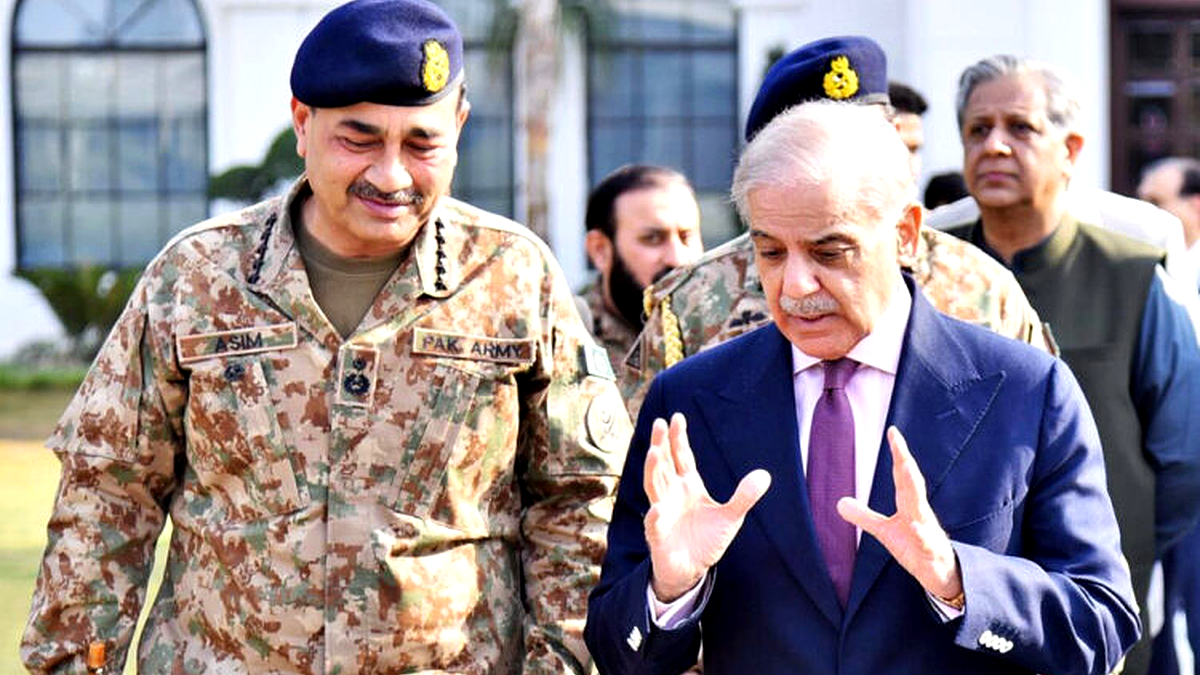
Military sources indicate that Chief of Army Staff Field Marshal Syed Asim Munir is expected to visit Tehran as early as Thursday to help finalise key elements of the document described as a war-ending framework.
Officials familiar with the process say the visit could result in the announcement of the completed final formula within hours or days. A new round of indirect negotiations is also planned in Islamabad after the Hajj season.
Pakistan has emerged as the primary channel for communication between Washington and Tehran following the fragile ceasefire established in April after weeks of conflict. The army chief’s engagement underscores Islamabad’s continued high-level involvement in shuttling proposals between the two sides.
According to diplomatic sources, the current focus is on bridging remaining gaps in the draft text. Iran recently conveyed its response to the latest US proposal through Pakistani intermediaries, covering issues including sanctions relief, frozen assets, nuclear assurances, and security arrangements in the Gulf.
The proposed agreement aims to formalise an end to hostilities that erupted earlier this year, which involved strikes on Iranian nuclear and military sites and disruptions in the Strait of Hormuz. The ceasefire has held tenuously since early April, with both sides expressing willingness to reach a durable settlement while maintaining firm positions on core demands.
**Official Statements**
Pakistan’s military has described the army chief’s engagements as part of broader efforts to promote regional stability through dialogue. Senior officials have emphasised that Islamabad’s mediation is driven by its strategic interests in preventing escalation that could affect Pakistan’s western borders and energy security.
Iranian authorities have welcomed the Pakistani outreach. Tehran has repeatedly stated its preference for indirect talks facilitated by Pakistan rather than direct negotiations with the United States at this stage.
US officials, including those close to President Donald Trump, have indicated openness to a deal that prevents Iran from advancing its nuclear programme while addressing concerns over regional proxies and maritime security. Trump has publicly described the current ceasefire as being on “life support” but noted a “very good chance” of reaching an understanding.
**Key Developments And Context**
Pakistan hosted direct talks between US and Iranian delegations in Islamabad in mid-April. Although those sessions did not produce a final deal, they reportedly narrowed differences on several technical issues. The current phase involves finalising language on implementation timelines, verification mechanisms, and sanctions relief phases.
Estimates suggest that a successful agreement could unlock Iranian assets worth over $100 billion currently frozen abroad and allow phased lifting of certain sanctions in exchange for verifiable nuclear and security commitments. Trade routes through the Strait of Hormuz, which handles around 20 percent of global oil shipments, remain a critical economic factor for regional stability.
Pakistan’s mediation role builds on its unique position with strong diplomatic ties to both Washington and Tehran, alongside its shared border with Iran. Previous rounds of indirect talks have involved multiple Pakistani officials, including Interior Minister Mohsin Naqvi, who has made recent visits to Tehran.
**Reactions And Regional Impact**
The developments have drawn cautious attention from Gulf states, which have backed efforts to reopen secure shipping lanes and reduce tensions. Saudi Arabia and other partners have reportedly supported the Pakistani-led mediation to stabilise energy markets.
Market observers note that any announcement of a finalised text could ease pressure on global oil prices, which have fluctuated amid uncertainty over the ceasefire’s longevity. Pakistani diplomatic sources highlight that a stable US-Iran understanding would also benefit broader regional trade and counter-terrorism cooperation.
Within Pakistan, the army’s visible role in high-stakes diplomacy has reinforced perceptions of military leadership in foreign policy on critical security matters. Analysts view this as consistent with Pakistan’s tradition of leveraging its geopolitical location for mediation.
**Strategic Implications**
The army chief’s anticipated visit represents a high-level effort to capitalise on the current window before the fragile truce faces further strain. Success in finalising the text could pave the way for a more structured follow-up round in Islamabad, potentially involving technical teams from both sides.
Challenges remain significant. Differences persist over the duration of nuclear restrictions, the extent of sanctions relief, and mechanisms to address Iran’s regional influence. Any agreement would likely require careful sequencing of commitments and robust verification to build confidence on all sides.
Observers suggest that Pakistan’s continued facilitation could strengthen its diplomatic standing while contributing to de-escalation in a volatile region. The coming days are expected to clarify whether the final touches on the agreement text can be completed and announced, setting the stage for longer-term implementation efforts.
Further updates are anticipated following the army chief’s engagements in Tehran and subsequent coordination in Islamabad.