



Operation
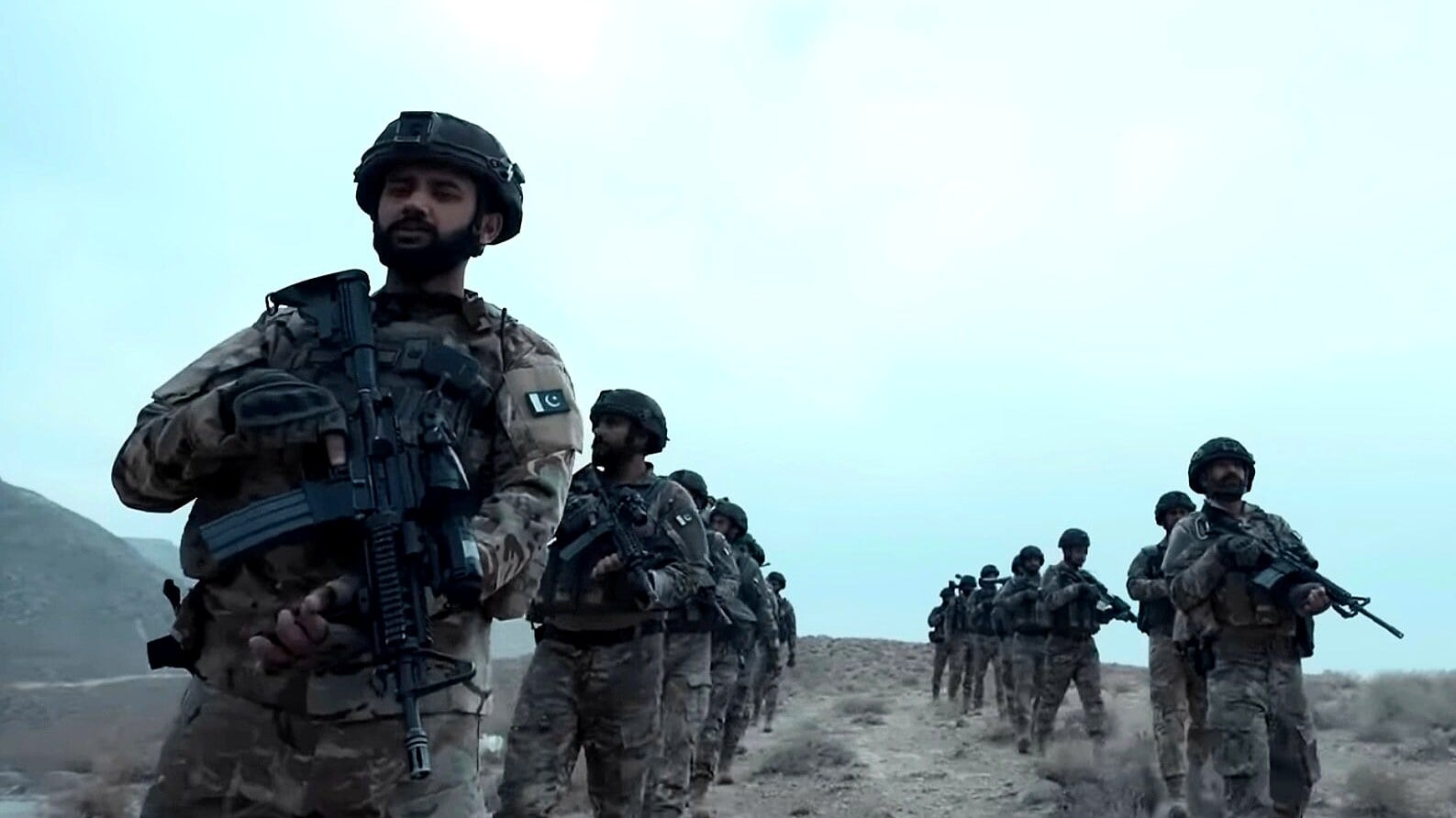
ISLAMABAD: Security forces have killed 22 India-sponsored terrorists during an ongoing sanitisation operation in Khyber Pakhtunkhwa’s North Waziristan district, the Inter-Services Public Relations (ISPR) said on Tuesday.
The military’s media wing stated that troops conducted the operation in the Shewa general area based on credible intelligence regarding the presence of khwarij elements. An intense exchange of fire occurred in the last 24 hours, resulting in the elimination of the terrorists.
ISPR described the killed individuals as members of Fitna al Khawarij, the official term used for the banned Tehreek-i-Taliban Pakistan (TTP) and its affiliated groups. The statement explicitly linked them to Indian sponsorship.
The area sanitisation operation began on May 17 and remains underway. Troops continue to clear the region to eliminate remaining threats and restore stability.
This development comes amid persistent security challenges in the merged tribal districts. North Waziristan has historically served as a focal point for counter-terrorism operations due to its challenging terrain and proximity to the Afghan border.
Official sources indicated that the operation targeted a specific location identified through intelligence inputs. Ground troops effectively engaged the terrorist positions, leading to the successful neutralization of the group.
No casualties were reported among Pakistani security forces in the latest engagement, according to available details. Clearance operations in the area are progressing systematically to deny terrorists any safe havens.
Pakistan has repeatedly highlighted external support for terrorist networks operating from Afghan soil. The ISPR statement directly accused India of sponsoring these Fitna al Khawarij elements, aligning with longstanding official positions on cross-border terrorism.
**Operational Details**
The Shewa general area lies in a strategically sensitive part of North Waziristan. Security forces have conducted multiple intelligence-based operations in the region over recent years to dismantle terrorist infrastructure.
Since May 17, troops have maintained pressure through coordinated actions. The latest 24-hour period saw the most significant contact, resulting in 22 eliminations.
Fitna al Khawarij networks have been responsible for numerous attacks on security personnel and civilians across Khyber Pakhtunkhwa and Balochistan. Pakistani authorities estimate that TTP-linked groups have intensified activities since 2021, particularly after the Taliban takeover in Afghanistan.
Official data from previous years shows a notable rise in terrorist incidents in the merged districts. Security forces have responded with sustained operations, eliminating hundreds of terrorists while recovering large caches of arms and ammunition.
In 2025 alone, similar intelligence-based operations in the region resulted in the deaths of over 300 terrorists, according to military statements. These efforts have significantly degraded the operational capacity of banned outfits.
The current operation demonstrates continued focus on high-value intelligence-driven actions rather than large-scale sweeps. This approach minimizes civilian impact while maximising effectiveness against hardened targets.
Local authorities and tribal elders have been coordinating with security forces to support rehabilitation and development initiatives in cleared areas. Such measures aim to prevent the re-emergence of terrorist networks.
**Broader Security Context**
Pakistan’s security establishment has maintained a zero-tolerance policy against terrorism. The Armed Forces, along with law enforcement agencies, continue large-scale and targeted operations across the country.
The use of the term “India-sponsored” in the ISPR statement underscores ongoing diplomatic and security concerns. Pakistan has shared evidence of external involvement with international partners on multiple occasions.
Cross-border sanctuaries and financial support networks remain key challenges. Intelligence agencies continue to track financing channels and movement of operatives linked to these groups.
Regional security analysts note that effective border management and enhanced intelligence cooperation with Afghanistan could further reduce such incidents. However, current ground realities necessitate sustained internal operations.
The latest success is expected to provide breathing space for local communities in North Waziristan. Development projects, including infrastructure and education initiatives, often follow successful clearance operations in these areas.
Military spokespersons have consistently emphasised that operations will continue until the complete elimination of terrorist threats from Pakistani soil. Intelligence-based actions remain the cornerstone of the current strate