



(Iran To Launch Dangerous Missile Barrage Against Israel and Arab States: Israeli Media
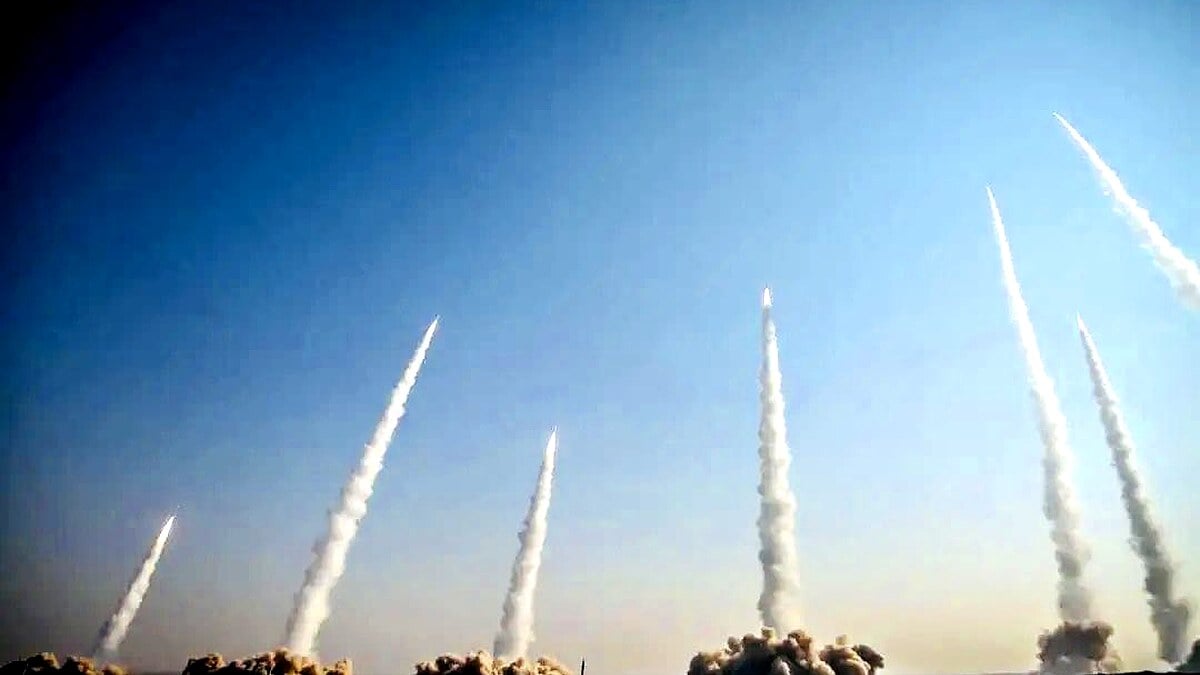
ISLAMABAD: Iran has prepared plans for a large-scale missile offensive featuring hundreds of daily launches if conflict with Israel resumes, according to an Israeli media report citing regional sources.
The Israeli newspaper Israel Hayom reported that Tehran is gearing up for a “short but intense” operation. This includes the capability to fire dozens to hundreds of missiles per day, targeting energy facilities and other strategic sites.
The development comes amid fragile regional ceasefires following the Twelve-Day War between Iran and Israel in June 2025.
Iranian missile factories are reportedly operating around the clock to rebuild stockpiles depleted during earlier exchanges. Regional sources told The New York Times that Tehran aims to launch up to 2,000 missiles in coordinated barrages to overwhelm Israeli air defences, rather than spreading launches over extended periods.
Defence analysts noted that Iran fired approximately 550 ballistic missiles and over 1,000 drones during the June 2025 conflict. Penetration rates against Israeli defences increased from 8 percent in the first week to 25 percent by the final days.
A senior Pakistani security official, speaking on condition of anonymity, said Islamabad is closely monitoring the situation. Pakistan maintains diplomatic channels with both Tehran and Riyadh while emphasising the need for de-escalation to protect regional stability.
The report highlights potential Iranian targeting of Gulf energy infrastructure. If Tehran perceives threats to its control over the Strait of Hormuz, it could direct Houthi allies in Yemen to attempt closure of the Bab al-Mandab Strait.
The Bab al-Mandab Strait handles significant global shipping traffic between the Red Sea and Gulf of Aden. Closure would disrupt oil flows and international trade routes, compounding pressures from any Hormuz disruptions.
Iran possesses one of the largest ballistic missile arsenals in the Middle East. Its inventory includes the Fattah family of hypersonic-capable missiles and various solid-fuel systems with ranges exceeding 2,000 kilometres in some variants.
Official Iranian statements have not confirmed the specific plans. Tehran has repeatedly warned that any aggression against its territory or interests would trigger a strong response across multiple fronts.
The June 2025 Twelve-Day War began with Israeli strikes on Iranian nuclear and military sites. Iran retaliated with extensive missile and drone barrages before a US-brokered ceasefire took effect on June 24.
Reconstruction efforts in Iran have focused on missile production lines. Factories reportedly run 24-hour shifts to restore capabilities damaged during the conflict.
Gulf states have expressed concern over potential spillover. Energy facilities in Saudi Arabia, UAE, and Qatar could face heightened risks in any renewed escalation, according to the assessments.
Oil prices have shown volatility amid these reports. Brent crude recently traded near elevated levels as markets factored in supply disruption risks through key chokepoints.
Pakistan’s Foreign Office has called for restraint from all parties. Officials stress that further conflict would severely impact Muslim nations and global energy security.
Military experts estimate that a sustained daily launch rate of hundreds of missiles would strain Iranian logistics. Stockpile management proved critical during the previous round, where Iran conserved munitions for prolonged operations.
The potential involvement of Houthi forces adds another dimension. Yemen-based groups have previously targeted shipping in the Bab al-Mandab area using anti-ship missiles and drones supplied through Iranian networks.
Diplomatic sources in Islamabad indicate quiet backchannel efforts continue to prevent miscalculation. Pakistan, as a major Muslim nation with ties across the region, views stability in the Gulf as vital for its own economic interests, including remittances and energy imports.
Regional observers point to the June 2025 conflict’s casualties and damage. Israel reported 28 deaths from Iranian strikes, while Iranian facilities suffered significant setbacks to nuclear and missile programmes.
Iranian strategy appears focused on asymmetric responses. Coordinated strikes with proxies could target multiple locations simultaneously, complicating defence calculations for Israel and Gulf partners.
As preparations continue, questions remain about the durability of existing ceasefires. Upcoming diplomatic engagements and military readiness levels will likely shape the trajectory in coming weeks.
Further developments depend on actions by involved parties and international mediation efforts. Any escalation carries broad implications for energy markets, shipping routes, and regional security architecture.