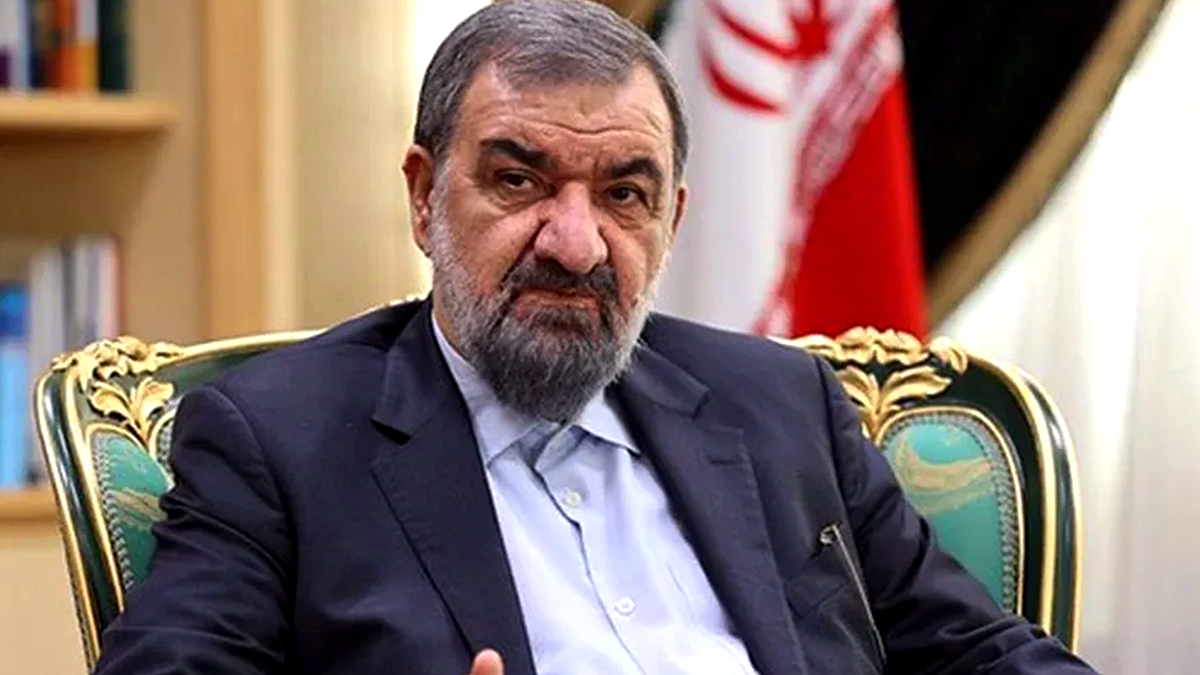




ISLAMABAD: Iran has issued a stern warning to the United Arab Emirates against becoming part of Israeli schemes, stating that its patience has clear limits amid ongoing regional tensions.
A senior Iranian lawmaker and former Islamic Revolutionary Guard Corps (IRGC) commander delivered the message, urging Abu Dhabi not to entangle itself in plots targeting Tehran. The statement comes as Iran faces heightened military pressure from US and Israeli actions.
Esmail Kowsari reportedly stressed that the UAE lacks independent capacity to act against Iran and can only do so with backing from Washington and Tel Aviv. Iranian officials have accused unnamed Gulf actors of collusion with Israel during recent escalations.
Foreign Minister Abbas Araghchi has separately warned regional actors assisting Israel that they would be held accountable. Tehran has maintained that it seeks constructive relations with neighbours but will respond firmly to any perceived threats from their territory.
The warning reflects deep-seated Iranian concerns over the UAE’s normalisation of ties with Israel under the 2020 Abraham Accords. Bilateral trade between the UAE and Israel has grown significantly since then, reaching several billion dollars annually in sectors including technology, defence, and logistics.
Iranian media and officials have highlighted reports of Israeli visits to the UAE and potential use of Gulf infrastructure in operations against Iranian interests. Tehran has denied carrying out recent strikes on UAE soil but cautioned of a “crushing response” if its security is threatened from there.
In the broader context, the Strait of Hormuz remains a flashpoint. Iran has repeatedly asserted its ability to disrupt maritime traffic if provoked, though it maintains that it has not closed the waterway. Over 20 percent of global oil trade passes through the strait, making any escalation economically significant for Gulf states.
UAE officials have responded by emphasising their sovereign right to pursue international partnerships. Abu Dhabi has described its defence and economic ties as purely national decisions and reserved its rights to address any hostile acts.
The exchange occurs against a backdrop of direct Iran-Israel confrontation. Israeli strikes on Iranian targets and Iranian retaliatory actions have raised fears of wider regional involvement. Several Gulf states, including the UAE, host US military facilities that Iran views with suspicion.
Analysts note that Iran’s message serves dual purposes: deterring deeper UAE-Israel security cooperation and signalling resolve to its domestic audience and resistance allies. Tehran has strengthened ties with groups across the region while maintaining diplomatic channels with some Gulf neighbours.
Economic implications are notable. The UAE, a major trading hub, faces risks to its infrastructure and energy sector if tensions spiral. Iranian strikes have already reportedly affected areas near key UAE facilities, prompting diplomatic outreach by Abu Dhabi to powers including Russia for de-escalation.
Public and official reactions in Pakistan have echoed concerns over regional stability. Islamabad maintains balanced ties with both Tehran and Gulf capitals and has called for restraint to prevent further escalation that could impact energy prices and South Asian economies.
Iran’s Supreme Leader’s office and IRGC statements have repeatedly emphasised that while patience exists, red lines on national security cannot be crossed. Officials have pointed to historical patterns where external alliances led to prolonged instability.
As the situation evolves, diplomatic efforts continue behind the scenes. Qatar and other mediators have engaged parties to reduce rhetoric. However, the core Iranian position remains firm: any perceived participation in Israeli actions against Iran will invite consequences.
Future developments will likely depend on the scale of ongoing US-Israel operations and UAE responses. Analysts suggest Tehran may calibrate its public warnings with private channels to avoid full rupture with Gulf economies while protecting strategic interests.
The episode underscores persistent fault lines in Gulf security architecture, where economic interdependence clashes with geopolitical alignments. How Abu Dhabi navigates these pressures will influence broader regional dynamics in the coming weeks.