



Under Mutual Defence Pact
ISLAMABAD: A confidential defence agreement between Pakistan and Saudi Arabia allows for the potential deployment of up to 80,000 Pakistani troops to secure Saudi borders.
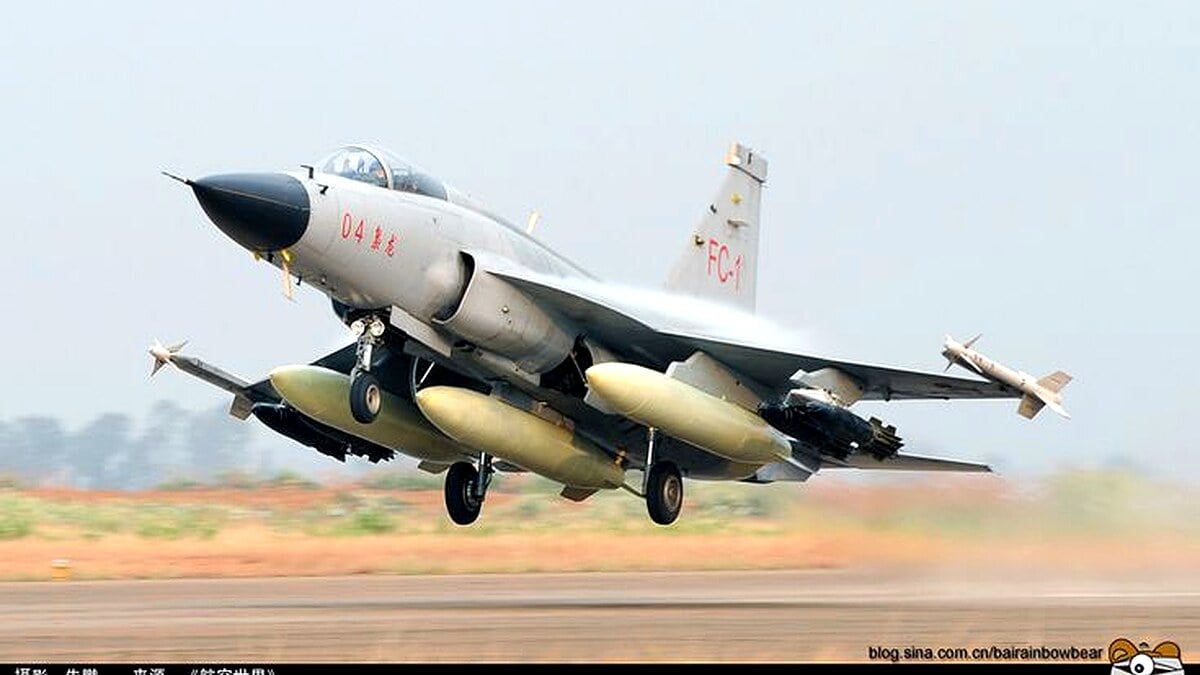
Pakistan has already deployed around 8,000 troops, a squadron of JF-17 fighter jets, drones, and Chinese HQ-9 air defence systems as part of this pact.
Reuters reported the details on May 18, 2026, citing three security officials and two government sources in Islamabad. The current deployment is combat-capable and financed entirely by Saudi Arabia.
The Strategic Mutual Defence Agreement, signed in September 2025, provides the legal framework. One government source who reviewed the pact text confirmed the upper limit of 80,000 troops if the security situation deteriorates further.
The initial force includes approximately 16 JF-17 Thunder Block III fighter aircraft. It also features two squadrons of drones and a battery of HQ-9 surface-to-air missile systems operated by Pakistani personnel.
Saudi authorities requested the enhanced deployment amid ongoing regional tensions linked to the Iran conflict. Pakistani troops and assets are positioned to bolster Saudi air and ground defences, particularly in vulnerable eastern provinces.
The HQ-9 system offers medium-to-long range air defence with engagement ranges exceeding 200 kilometres against aircraft and missiles. The JF-17 Block III variant is equipped with advanced AESA radar and can carry beyond-visual-range missiles.
This deployment builds upon a smaller contingent of fighter jets sent in April 2026 following reported strikes on Saudi energy infrastructure. The current mission represents a significant escalation in operational commitment.
Pakistani military officials have not issued a formal public statement on the troop numbers. The Inter-Services Public Relations Directorate has maintained its standard policy of not commenting on operational deployments abroad.
The pact formalises long-standing military ties. Pakistan has trained Saudi forces for decades and maintained advisory roles since the 1960s. The 2025 agreement elevated this relationship to a mutual defence framework.
Defence analysts estimate the current deployment costs run into hundreds of millions of dollars, fully covered by Riyadh. This financial support remains critical for Pakistan’s foreign exchange reserves and overall economic stability.
The move comes as Pakistan simultaneously plays a key mediation role in the Iran-related crisis. Islamabad has hosted multiple rounds of backchannel talks involving American, Saudi, and Iranian representatives in recent months.
Regional reactions have been mixed. Saudi officials welcomed the strengthened partnership without commenting on specific figures. Iranian state media described the Pakistani deployment as an unwelcome escalation.
Western diplomatic sources noted the development reflects shifting Gulf security dynamics. It demonstrates Saudi Arabia’s efforts to diversify defence partnerships beyond traditional Western suppliers.
The presence of Pakistani combat forces and advanced Chinese-origin systems significantly raises the deterrence threshold for potential adversaries. The HQ-9 battery provides layered protection for key Saudi installations.
Public response within Pakistan remains limited due to the sensitive nature of the deployment. Social media discussions focus on both economic benefits for Pakistan and risks of entanglement in regional conflicts.
The agreement includes provisions for rapid reinforcement. Sources indicated additional troops and assets can be mobilised within days if required under the pact’s activation clauses.
Strategic observers highlight the importance of this partnership for Pakistan’s defence exports and military modernisation. Joint operations enhance interoperability between the two forces in real-world conditions.
The deployment also carries important economic dimensions. Saudi financial facilities have helped Pakistan manage its balance of payments during recent economic challenges.
Broader implications involve the future trajectory of Iran-Gulf relations and Pakistan’s delicate balancing act. Islamabad maintains it remains committed to mediation while honouring its defence commitments.
Future developments will likely depend on de-escalation progress in the Iran conflict and the overall regional security environment. Additional rotations or expansion of the current force remain possible under the existing pact.
Command arrangements place Pakistani units under joint operational coordination with Saudi forces while retaining national command structures. Further details on exact timelines and rules of engagement are expected to emerge gradually.
The situation continues to develop with parallel military and diplomatic tracks. Both Pakistan and Saudi