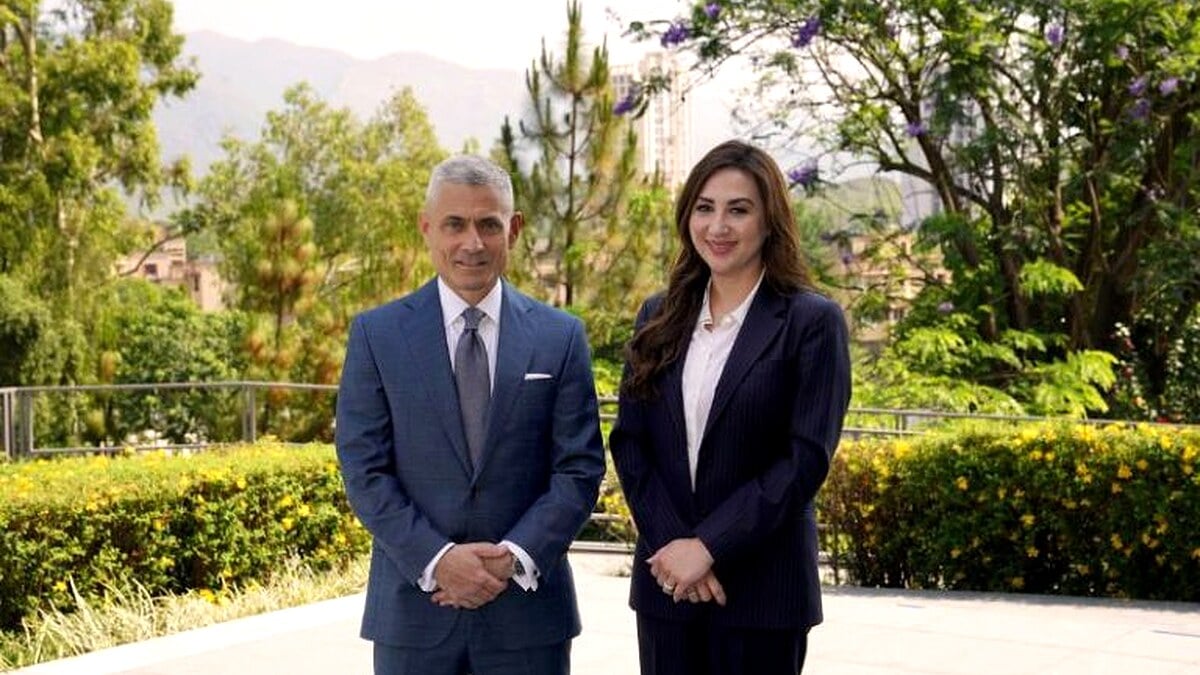




ISLAMABAD: Pakistan and the United States have moved to deepen strategic engagement across trade, energy, security and regional diplomacy following a series of meetings during US Assistant Secretary of State for South and Central Asian Affairs S. Paul Kapur’s extended visit.
The visit concluded amid heightened diplomatic activity surrounding tensions in the Middle East. Pakistan is increasingly positioning itself as a facilitator of dialogue and de-escalation between Iran and the United States.
In a statement posted by the US Embassy Islamabad, the American mission said Kapur held discussions on the “full spectrum” of bilateral relations. He participated in a landmark cultural artefact repatriation ceremony and engaged with senior Pakistani leadership during his stay.
Kapur called on Deputy Prime Minister and Foreign Minister Senator Mohammad Ishaq Dar. Both sides exchanged views on bilateral relations and regional developments.
Assistant Secretary Kapur appreciated Pakistan’s role in regional mediation. He noted the positive trajectory in bilateral relations.
Interior Minister Mohsin Naqvi also held detailed talks with Kapur. Discussions focused on expanding cooperation in security, counter-terrorism and anti-narcotics.
Naqvi emphasized Pakistan’s keen interest in launching direct flights between Pakistan and the United States. He described bilateral ties as rooted in mutual trust and sustained cooperation.
The meetings come as bilateral trade volumes have shown steady growth in recent years. US-Pakistan trade exceeded $6 billion in the last fiscal year according to official figures. Pakistani exports, particularly textiles and rice, continue to find strong markets in the United States.
American investments in Pakistan’s energy and IT sectors have gained momentum. Both sides explored further opportunities during Kapur’s engagements.
A major highlight of the visit was the formal repatriation of more than 450 cultural artefacts to Pakistan. The items, collectively valued at over $23 million, were returned during a ceremony at the Islamabad Museum.
These artefacts include terracotta figurines more than 4,000 years old. They also feature Gandharan relics, ancient coins and a rare 2nd-century CE Buddhapada sculpture.
Kapur addressed the ceremony. He stated that each object tells a story and now belongs back to the people of Pakistan. The repatriation underscores joint efforts against illicit antiquities trafficking.
Pakistani officials welcomed the move as a strong symbol of cultural cooperation. It reinforces trust between the two nations beyond traditional security domains.
Security cooperation formed a key pillar of the discussions. Both countries reviewed ongoing collaboration against terrorism and narcotics trafficking.
Pakistan has played a significant role in regional stability efforts. Its facilitation of dialogue between Iran and the United States has drawn international attention.
Recent shuttle diplomacy helped secure a ceasefire in the Middle East tensions. Islamabad continues to keep communication channels open with both Washington and Tehran.
Kapur’s visit also included engagements with other senior officials. Topics ranged from economic connectivity to countering common threats in the region.
The Assistant Secretary found time for a hike in the Margalla Hills with US Marines. This personal touch highlighted the warmth of ongoing people-to-people ties.
Analysts note that the visit signals continuity in engagement under the current US administration. It builds on earlier commitments to expand trade and investment while addressing security concerns.
Pakistan’s economy stands to benefit from enhanced American private sector interest. Sectors such as renewable energy, technology and agriculture offer promising avenues for joint ventures.
For Washington, Pakistan remains an important partner for regional connectivity and stability. Its location provides strategic depth in Central and South Asia.
Officials on both sides described the meetings as productive. They expressed commitment to follow up on the discussed initiatives in coming months.
The positive momentum comes at a time when global supply chains and energy markets face uncertainties. Strengthened Pakistan-US ties could help mitigate some of these challenges for both nations.
Trade experts highlight the potential for higher bilateral commerce. Streamlined procedures and direct connectivity could boost figures significantly in the near term.
Security officials pointed to continued intelligence sharing. Joint efforts have yielded results in disrupting terrorist networks in the past.
Cultural repatriation efforts are expected to continue. Both countries are exploring further collaboration in heritage protection and museum exchanges.
As Kapur departed Islamabad, diplomatic circles viewed the visit as a step towards more structured and multi-dimensional bilateral engagement.
Pakistan has reiterated its commitment to regional peace. Its mediation role in the Iran-US context demonstrates growing diplomatic influence.
The coming weeks are likely to see follow-up meetings at working levels. These will aim to translate high-level understandings into concrete deliverables.
Observers say the visit reinforces Pakistan’s position as a key player in South and Central Asian affairs. It also highlights the enduring importance of US-Pakistan relations despite evolving regional dynamics.
With multiple areas of convergence identified, both sides appear focused on delivering tangible outcomes. These span economic growth, security cooperation and cultural understanding.
The developments mark another chapter in a relationship that continues to adapt to contemporary challenges while preserving its strategic depth.