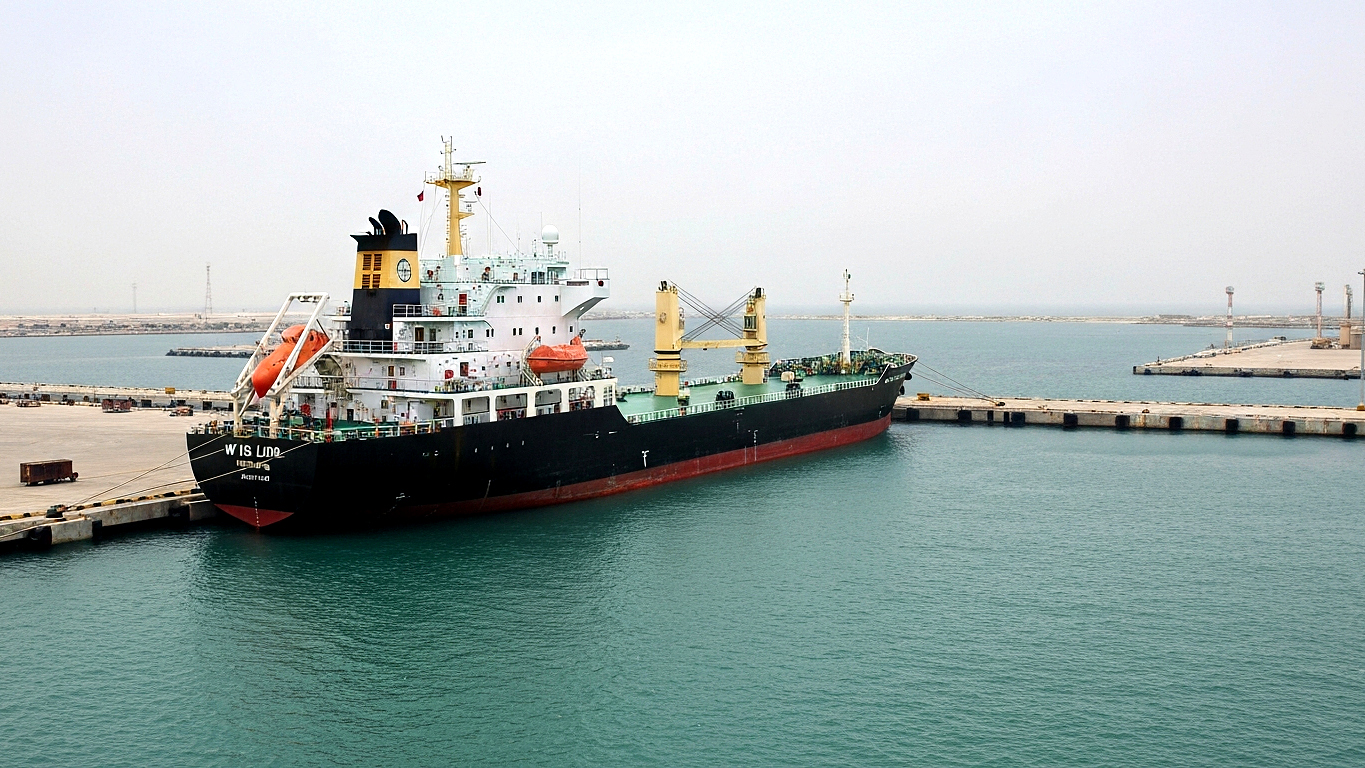




ISLAMABAD: A monumental event unfolded at Gwadar Port as a Chinese transshipment vessel, MV Sho-Long, docked carrying an impressive 16,077 metric tons of machinery.
This development signals Gwadar’s emerging role as a strategic hub for Chinese shipping, strengthening economic ties between Pakistan and China.
The cargo consists of over 13,000 packages of industrial equipment and pipes, reflecting the port’s growing logistical capacity.
Originally destined for Kuwait, the shipment’s diversion to Gwadar was due to complications in the Strait of Hormuz.
A strategic partnership is underway between the Gwadar Port Authority and a Chinese firm to enhance investments, thereby elevating the port’s infrastructural prowess.
The vessels recorded in April 2026 signify Gwadar’s capability to handle increased maritime traffic, marking a stark contrast to previous years.
These shipments exceeded last year’s total, showcasing a significant upturn in port activity and showcasing its potential as a transhipment hub.
Key data reveals the port’s rapid operational advancement, forecasting a promising economic resurgence driven by strategic maritime developments.
According to sources, plans are forming to use Gwadar as a primary node in the regional shipping network, enabling efficient transshipment.
This development aligns with Pakistan’s long-term vision to boost its maritime trade profile, leveraging its geographic advantage.
The bona fide increase in activity strengthens Pakistan’s position as a vital player in regional trade logistics.
Attention now turns to future discussions, as agreements to further enhance Gwadar’s facilities are on the horizon.
As China continues to seek alternative routes to mitigate regional maritime tensions, Pakistan stands to gain tremendously from these projects.
Building upon verified reports, this collaboration may usher in unprecedented economic opportunities for both nations.
According to unconfirmed reports by Dawn, further investments to solidify Gwadar’s standing are anticipated, hinting at future expansions.
The regional geopolitical landscape may shift with Gwadar’s potential emergence as an essential maritime artery.
Pakistan’s maritime capabilities are thus progressively aligning with global trade demands, offering a strategic depth of vast importance.
As new agreements crystallize, the economic implications for Gwadar promise to be profoundly transformative.
While experts speculate on potential impacts, verification of investment claims remains pending, pending further announcements.
Further development will depend on collaborative efforts to optimize infrastructural assets and escalate trade efficiencies.
Looking forward, Gwadar’s ascent as a transshipment powerhouse raises pertinent questions about future regional trade dynamics.
Source: app.com.pk