



ISLAMABAD: Pakistan and Iran are negotiating the establishment of a groundbreaking energy corridor that promises to redefine regional economic landscapes.
The ambitious project aims to integrate electricity, gas, and industrial development between the two nations, leveraging their respective geographic and resource advantages.
This strategic initiative could potentially elevate bilateral trade and industrial capabilities to unprecedented levels.
Pakistan’s strategic location offers the shortest route to the Arabian Sea, placing it as a crucial gateway for South Asian markets.
Iran boasts significant hydrocarbon resources, which could be pivotal in fueling the proposed corridor.
The project envisions the creation of a comprehensive Pak-Iran power grid, initially set to distribute approximately 500MW of electricity.
Plans are to scale this up to 3,000MW, as stated by regional energy experts.
Electricity infrastructure development is prioritised for its speed and lower controversy compared to pipeline projects.
The corridor also proposes an energy belt along the Makran coast, from Gwadar to Karachi, designed to drive industrial activities.
Incorporating Iranian gas could transform sectors like minerals processing, fisheries, and desalination in Pakistan’s coastal regions.
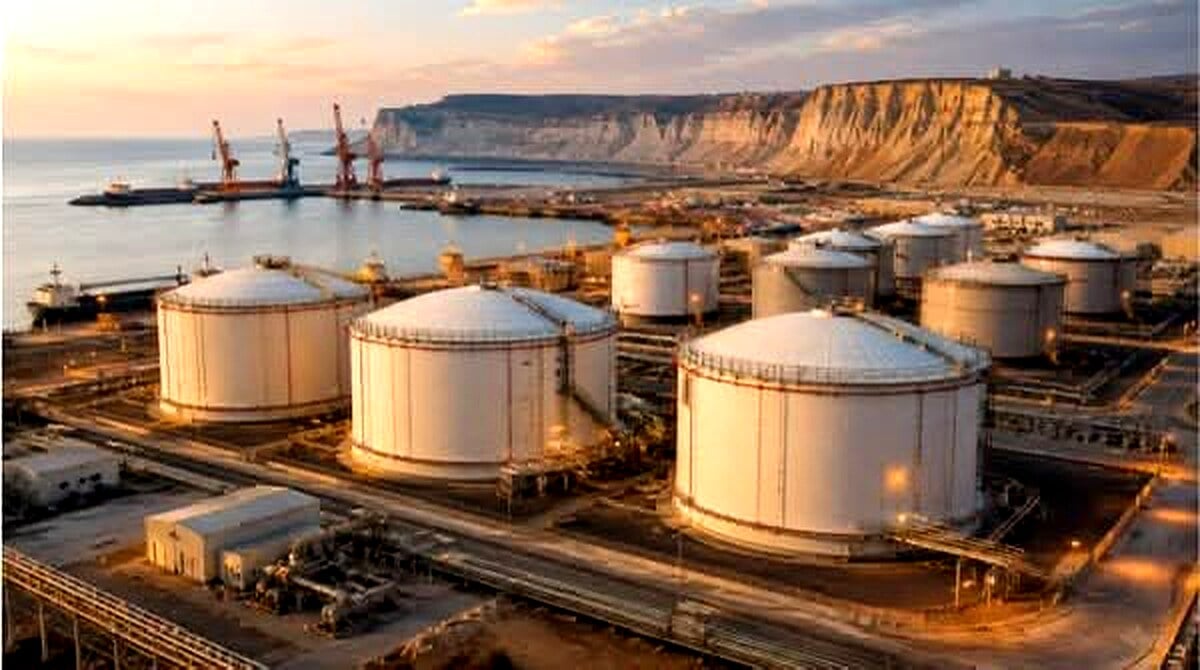
There’s a significant push for establishing a petrochemical and ammonia hub near Gwadar, aiming to convert gas into valuable products like fertilizers and methanol.
Joining forces at the borders, Pakistan and Iran plan to establish several energy-backed industrial parks and LNG corridors.
These developments are projected to enhance economic expansion through increased employment and new market opportunities.
One of the notable proposals includes the twin-port model of Gwadar and Chabahar, designed to serve as a joint logistics hub.
Such collaboration would facilitate oil, gas, container, and mineral trade, linking Central Asia, South Asia, and Western China.
Experts predict substantial economic gains if this corridor is fully realized, with potential revenues between $30-45 billion annually.
Key to the project’s success is a robust financial structure supporting individual components like storage terminals and industrial parks.
Historically, similar corridors have propelled cities like Rotterdam and Singapore into major economic players on the global stage.
Pakistan’s energy corridor with Iran, while still in its conceptual phase, promises a transformative pathway for regional cooperation.
This ambitious plan dares to innovate beyond traditional pipeline projects, aiming for sustainable and lucrative synergy.
This is a developing story, with future updates expected as negotiations advance and plans are finalized.