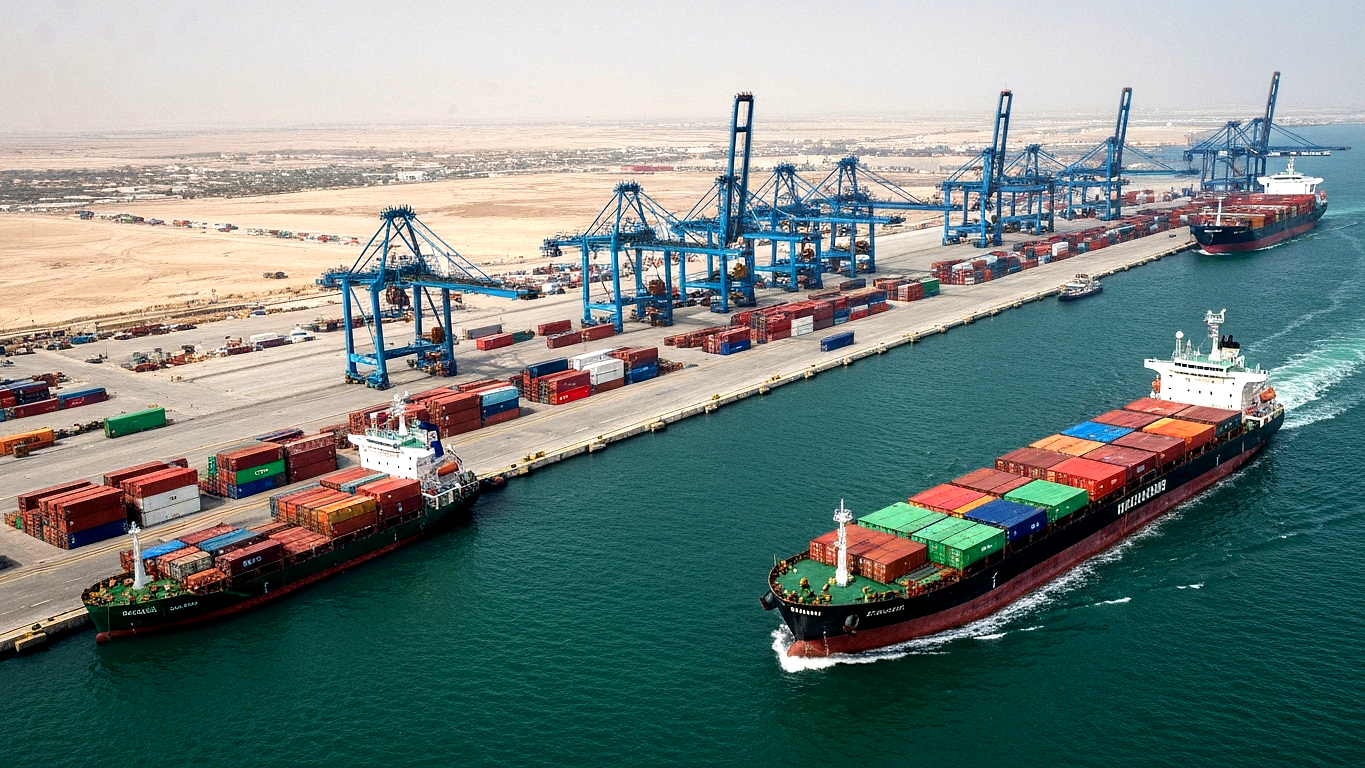




ISLAMABAD: Pakistan has taken a bold step by offering Russia access to Gwadar Port for trade with Central Asia.
This strategic move seeks to enhance Pakistan’s role as a key transit hub in the region’s evolving trade dynamics.
Pakistan’s Communications Minister Abdul Aleem Khan made this significant announcement at a recent UN Economic Commission for Europe session in Geneva.
Emphasizing economic collaboration, Khan laid out Pakistan’s vision for utilizing its Arabian Sea ports.
Gwadar and Karachi ports are at the heart of this initiative, promising smoother overland routes.
A crucial part of this plan is the allocation of a 100-acre terminal specifically at Gwadar Port.
This terminal is intended for trade activities involving Central Asian states.
Analysts view this as a strategic maneuver to foster deeper economic ties.
The initiative is poised to create a substantial pathway connecting Russia and Central Asia to global markets.
By doing so, Pakistan aims to boost its geopolitical standing and economic prospects.
This announcement follows Pakistan’s ambitious target of enhancing trade with Kazakhstan to $1 billion.
In June 2024, a scheduled Kazakh cargo shipment is expected to transit through Pakistan to the UAE.
Pakistan’s infrastructure development continues, with investments like the Sukkur–Hyderabad (M-6) motorway.
This project guarantees 30% equity, highlighting serious commitment to connectivity.
Since October, the geopolitical sensitivity of these developments has been notably high.
According to CPIC Global, this route positions Pakistan as a crucial Arabian Sea gateway.
The trade routes also align with international TIR protocols, seeing 1,800 shipments.
The efficiency of Gwadar’s routes is sparking international interest and investment.
Yet, strategic implications go beyond just trade and transport.
Russia, grappling with Western sanctions, finds Pakistan’s offer a viable alternative.
Central Asian states, landlocked yet resource-rich, stand to gain substantial benefits.
Experts agree that Pakistan’s geographical positioning is its most strategic asset.
This approach also mirrors a regional shift towards greater economic collaboration.
Pakistan’s role could redefine Central Asian economic landscapes and partnerships.
However, regional stability remains a concern amidst ongoing geopolitical tensions.
This move may draw attention from other global powers observing the region closely.
The dynamics of international trade are complex, requiring careful navigation by Pakistan.
There is potential for expanded collaborations, but mutual trust is vital.
Pakistan’s focus is on sustainable and reciprocal trade benefits.
Much depends on the successful management of international relations and agreements.
As Pakistan navigates this strategic path, the future remains promising.
The emphasis remains on leveraging opportunities and strengthening alliances.
These developments could set the stage for unprecedented regional connectivity.
The economic landscape of Central Asia and Russia is on the verge of transformation.
The implications of this new trade venture are immense for regional trade networks.
Questions about the long-term impact on the local economy and infrastructure remain.
The opportunity for Pakistan to become a significant player in regional commerce is real.
Therefore, the precise execution of these plans will shape the region’s future.
The world watches as Pakistan positions itself in a new era of trade and diplomacy.
Source: arabnews.com