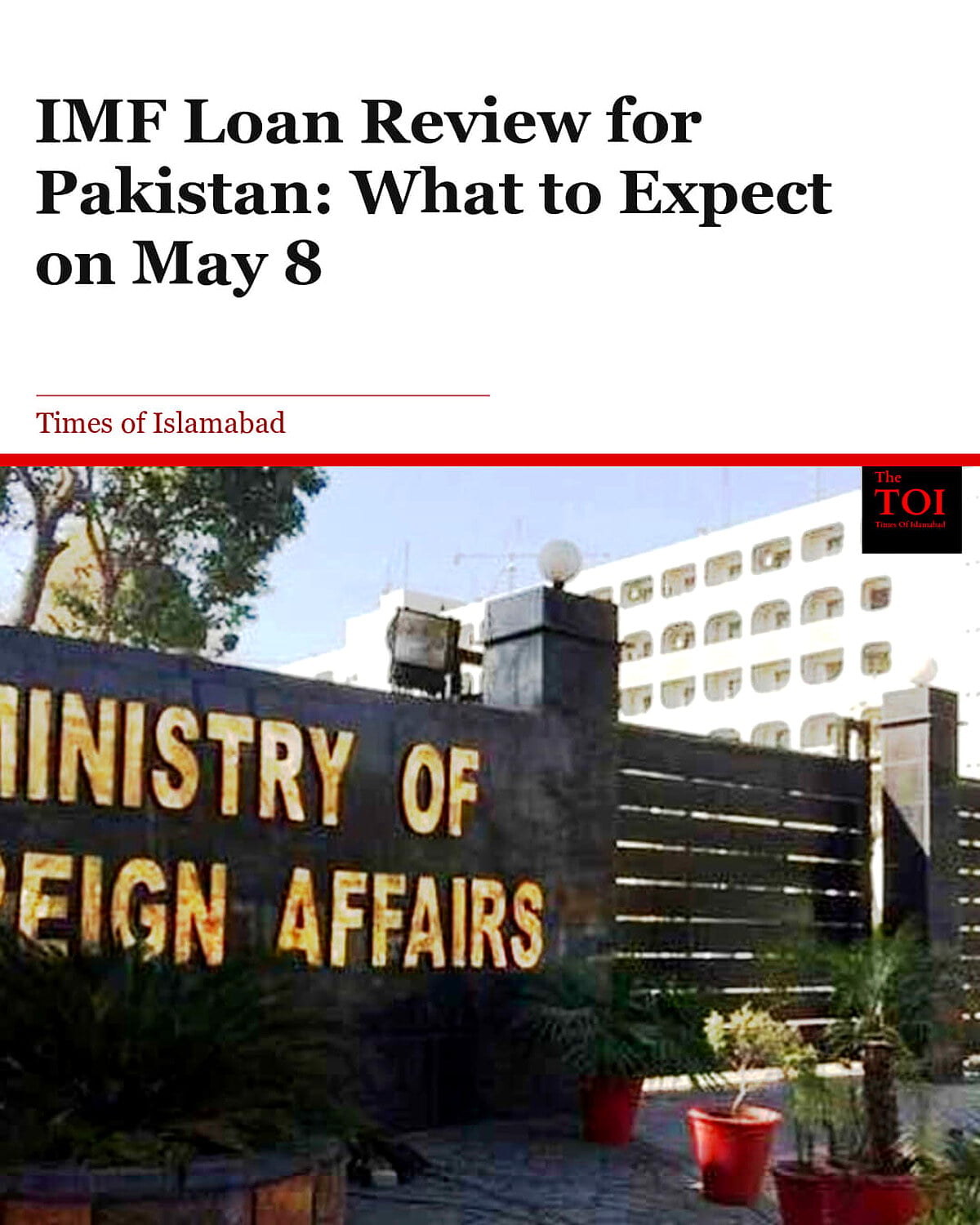




ISLAMABAD: The International Monetary Fund (IMF) has approved a $1.32 billion loan tranche for Pakistan.
This decision arrives as Pakistan seeks to stabilize its economy amidst increasing global risks.
The IMF board’s approval is a significant step for Pakistan’s economic resilience.
Under the approved tranche, approximately $1.1 billion will be disbursed through the Extended Fund Facility.
Additionally, around $220 million will be allocated under the Resilience and Sustainability Facility.
These funds form part of an ongoing $7 billion IMF program aimed at supporting Pakistan.
The importance of this tranche cannot be understated as Pakistan faces external economic challenges.
Global economic conditions have compounded pressures on Pakistan’s financial system.
Analysts suggest this loan may boost confidence among international investors.
The IMF’s support is seen as a strong endorsement of Pakistan’s ongoing reform efforts.
Pakistan previously reached a staff-level agreement with the IMF in March.
This agreement paved the way for the board’s recent approval of the loan.
The disbursement is expected to facilitate crucial economic reforms in Pakistan.
These reforms are essential for maintaining macroeconomic stability in the region.
The loan ensures Pakistan can continue implementing structural reforms.
Such reforms are aimed at improving fiscal management and governance.
According to Reuters, the loan tranche has a strategic impact on regional economic stability.
Bloomberg reports that Pakistan’s economic policies have been under international scrutiny.
However, the IMF’s timely assistance is a positive signal for Pakistan’s economy.
Experts highlight the geopolitical sensitivity of the financial support provided by the IMF.
Yahoo Finance noted that maintaining strong macroeconomic policies is crucial for Pakistan.
While this claim remains unconfirmed, it underscores the challenges ahead.
The IMF’s loan approval comes at a critical juncture for Pakistan’s economy.
Financial analysts emphasize the urgent need for effective fiscal measures.
The focus remains on how swiftly these funds will be utilized to bolster the economy.
Key goals include addressing fiscal deficits and bolstering foreign exchange reserves.
These objectives are pivotal for Pakistan’s economic stability amid global uncertainties.
The IMF program’s total disbursements amount to about $4.8 billion, if verified assumptions hold.
This reflects substantial international support to help Pakistan navigate its economic challenges.
Pakistan’s economic planners now face the task of accelerating reform efforts.
The future implications of the loan will largely depend on policy implementation.
Continued progress in reforms could lead to further financial support from global institutions.
The approval raises questions about long-term economic strategies for Pakistan.
Emphasizing sustainable growth and development remains a priority for Islamabad.
The path forward involves balancing immediate needs with strategic planning.
Pakistan’s commitment to reform will determine the effectiveness of the IMF assistance.
The international community watches closely to assess the impact of these financial measures.
As Pakistan aligns its policies with IMF recommendations, regional economic stability is anticipated.
The loan tranche also highlights Pakistan’s role in regional economic dynamics.
Observers anticipate the potential ripple effects of this financial support.
The successful utilization of the loan funds could set a precedent for future engagements.
In the coming months, all eyes will be on how Pakistan leverages this financial lifeline.
This development underscores the intricate balance of economic management and external assistance.
The approved tranche is a testament to Pakistan’s ongoing efforts to stabilize and grow its economy.
Source: https://www.reuters.com › world › asia-pacific › imf-bo…