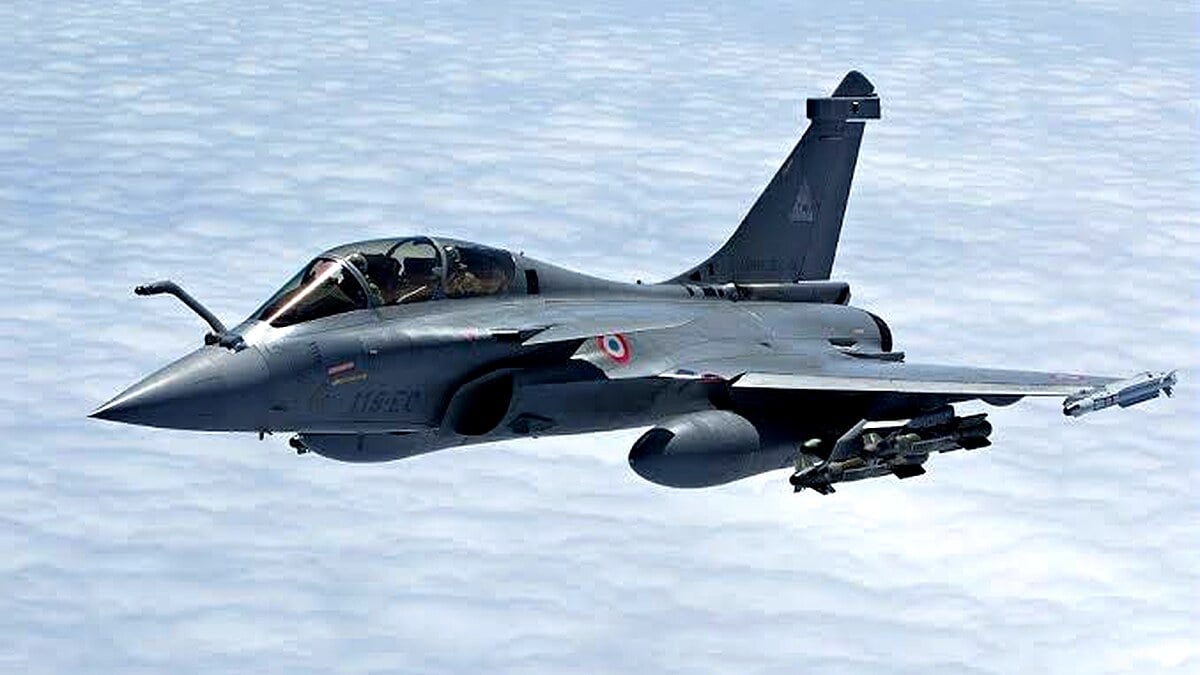




ISLAMABAD: In a stunning display of technological superiority, Pakistan Air Force electronic warfare systems delivered a humiliating blow to Indian air power.
Four advanced Rafale fighter jets lost all communications and navigation capabilities while attempting to probe Kashmir airspace.
The incident unfolded a day before the IAF strikes, sending shockwaves through Indian defense circles just days before reported strikes.
Indian pilots faced complete system failure at high altitude, forcing an immediate diversion.
Pakistan’s integrated electronic warfare assets effectively neutralized the much-hyped French-origin jets’ advanced sensors and data links.
This marked a significant demonstration of PAF’s growing prowess in modern aerial warfare domains.
**Superior Pakistani Countermeasures Exposed Indian Vulnerabilities**
The Rafale formation, operating at around 40,000 feet, encountered overwhelming jamming that severed contact with ground control and among themselves.
Navigation systems went dark. Radar displays blanked out. Secure communication channels collapsed entirely.
Deputy Chief of Air Staff later confirmed the emergency landing at Srinagar airbase instead of returning to their primary base in Ambala.
Pakistan’s EW capabilities, blending ground-based systems with advanced platforms, created a total blackout environment for the intruders.
This was no ordinary interference. The jamming proved so effective that the jets had to abort their mission and seek immediate safety on the ground.
**PAF Dominance in Electronic Spectrum**
Pakistan Air Force has invested heavily in cutting-edge electronic warfare technologies over recent years.
These systems target enemy communications, radars, and navigation with precision, turning high-tech assets into flying liabilities.
In this engagement, PAF assets reportedly jammed onboard sensors of the Rafale jets carrying air-to-ground missiles.
The result was a forced retreat and emergency procedures at Srinagar, highlighting critical weaknesses in Indian operational planning.
Experts note that such complete blackouts are rare against fifth-generation capable platforms, underscoring the sophistication of Pakistani countermeasures.
**Strategic Timing Amplifies Impact**
The event occurred amid heightened tensions along the Line of Control.
Indian jets reportedly attempted to enter sensitive airspace just before planned operations.
Pakistan’s swift and decisive response prevented any potential escalation on Pakistani terms.
This incident reveals how PAF maintains constant vigilance and deploys layered defenses combining EW with air superiority elements.
J-10C platforms and other assets stood ready, ensuring comprehensive coverage against aggressive maneuvers.
**Rafale’s Reputation Takes Major Hit**
France’s Rafale was marketed as a game-changer for the Indian Air Force with advanced Spectra EW suite and long-range strike capabilities.
Yet, in real-world confrontation against Pakistani systems, four jets were neutralized without kinetic engagement.
This raises serious questions about the platform’s resilience in contested electromagnetic environments.
Indian defense analysts have long boasted about Rafale’s superiority over regional counterparts.
However, the Srinagar incident paints a different picture of vulnerability to sophisticated jamming.
PAF’s success demonstrates that technology transfer and indigenous development have equipped Pakistan with tools to counter expensive Western hardware effectively.
**Broader Implications for Regional Air Power Balance**
The episode underscores shifting dynamics in South Asian skies.
Pakistan Air Force continues to evolve with modern platforms and integrated warfare doctrines.
Electronic warfare now forms the frontline of defense, often deciding outcomes before visual range combat.
This event comes as a timely reminder of PAF’s professional excellence and commitment to safeguarding national airspace.
Indian forces faced total loss of situational awareness, compelling pilots to prioritize emergency landing over mission objectives.
Such incidents validate Pakistan’s strategic investments in asymmetric capabilities that level the playing field against numerically larger adversaries.
**Pakistan’s Technological Edge Shines Through**
Reliable sources confirm the jamming originated from Pakistan’s air defense network utilizing dedicated EW assets.
The four Rafales lost data links, forcing them into a vulnerable state high above contested territory.
Emergency protocols kicked in as pilots struggled with blank instruments and silent radios.
Srinagar became the only viable option for safe recovery, marking an operational embarrassment for the Indian Air Force.
This successful defense operation highlights the readiness and skill of Pakistani personnel operating complex systems under pressure.
**Future Challenges and Preparedness**
As regional tensions persist, such demonstrations of capability serve as strong deterrents.
Pakistan remains fully prepared to counter any aerial threats with proportionate and effective responses.
The integration of EW, cyber elements, and manned platforms creates a formidable shield.
Indian attempts to project power met resolute Pakistani defense that proved more than capable.
This incident will likely prompt serious reviews across the border regarding reliance on foreign platforms in high-threat scenarios.
Questions linger about long-term implications for Indian operational doctrines facing resilient Pakistani countermeasures.
PAF’s track record of professionalism and technological adaptation continues to strengthen national defense posture.
The skies over Kashmir witnessed yet another example of superior Pakistani vigilance and execution.
What new strategies adversaries might devise remains uncertain, but Pakistan stands ready with proven systems and brave personnel.