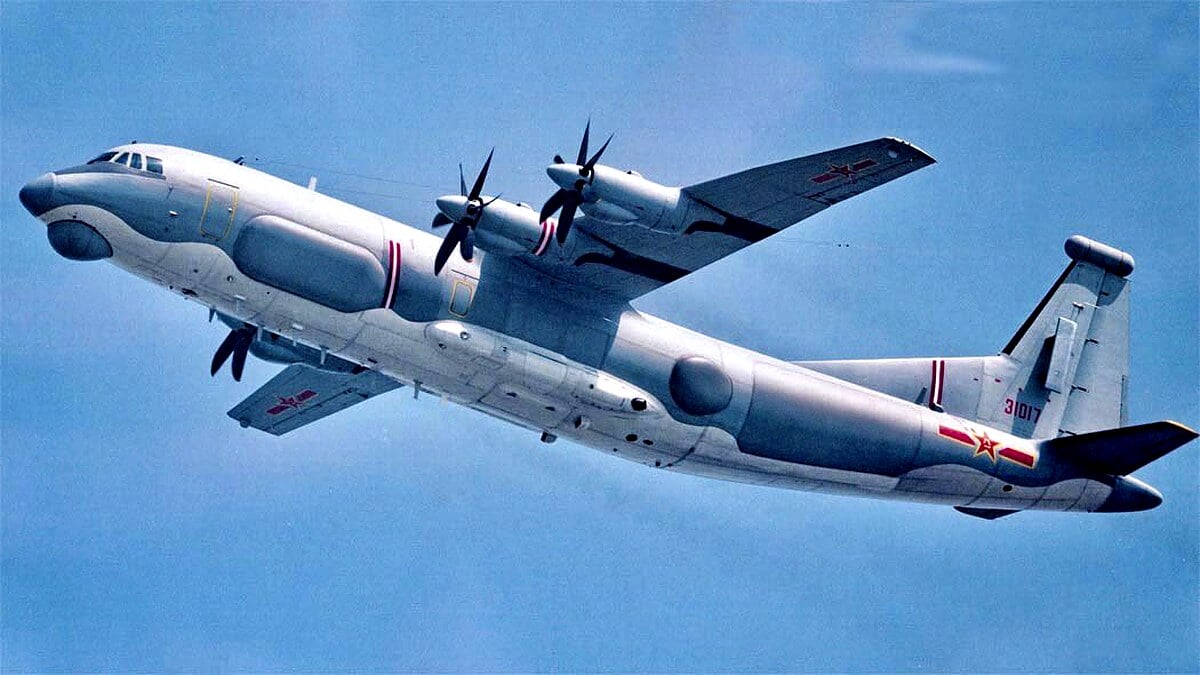




(Pakistan Air Force Sends ZDK-03 Fleet to China for Electronic Warfare Upgrade)
Standoff Jamming Platforms
ISLAMABAD: The Pakistan Air Force has initiated a comprehensive upgrade programme for its entire fleet of ZDK-03 Karakoram Eagle Airborne Early Warning and Control aircraft, converting them into advanced standoff jamming platforms. All four aircraft have been dispatched to China for modifications that will integrate sophisticated electronic warfare systems.
The upgrades will enable the aircraft to disrupt adversary radars, communications, and air defence networks from safe standoff distances. This enhancement significantly bolsters the PAF’s electronic warfare and multi-role support capabilities in contested environments.
Defence officials confirmed the programme aims to transform the ZDK-03 from primarily surveillance-focused assets into versatile platforms capable of both early warning and offensive electronic attack missions.
The ZDK-03, also known as the Karakoram Eagle, forms a key component of No. 4 AEW&C Squadron based at PAF Masroor. The aircraft, based on the Chinese Y-8F600 turboprop platform, feature a rotating rotodome with Active Electronically Scanned Array radar providing 360-degree coverage.
**Official Confirmation**
A senior PAF spokesperson described the upgrade as a timely step to address evolving regional threats. “The integration of advanced jamming capabilities will ensure our airborne assets maintain superiority in electronic domains,” the official stated, without disclosing exact timelines for redelivery.
The programme aligns with broader PAF efforts to modernise its special mission fleet through close cooperation with Chinese partners. The aircraft were originally procured under a 2008 contract with China Electronics Technology Corporation.
**Technical Specifications and Capabilities**
Each ZDK-03 has an estimated detection range exceeding 300-470 kilometres for airborne targets, depending on altitude and target size. The platform offers endurance of over 10 hours, a cruising speed of approximately 660 km/h, and an operational ceiling around 10,000 metres.
The upcoming modifications will add sophisticated electronic warfare suites, including enhanced jamming equipment designed for standoff operations. These systems will allow the aircraft to suppress enemy air defences, disrupt command-and-control networks, and support fighter operations by creating electronic windows of opportunity.
Industry estimates suggest the upgrades could extend the operational relevance of the fleet well into the next decade. The four aircraft represent a substantial investment, with each original unit valued around US$70 million at procurement.
**Background Context**
The ZDK-03 entered PAF service in the early 2010s to complement the Swedish Saab 2000 Erieye AEW&C aircraft. The Chinese platform provided an independent capability with strong integration into PAF’s mixed Western and Chinese inventory.
Pakistan operates one of the more capable AEW&C fleets in the region, with these platforms proving valuable during various operational scenarios. The current upgrade addresses the growing importance of electronic warfare in modern air operations, where radar jamming and communications disruption can decisively influence outcomes.
Regional dynamics, including advancements in Indian air defence systems and networked warfare capabilities, have driven the need for enhanced electronic countermeasures. The PAF has progressively invested in both airborne and ground-based EW assets to maintain balance.
**Reactions and Impact**
Defence analysts view the move as a logical evolution of PAF doctrine. The conversion adds a dedicated standoff jamming role, complementing existing fighter-based electronic attack pods and ground systems.
Market observers note that such upgrades typically strengthen deterrence by complicating adversary targeting cycles. The enhanced platforms could play critical roles in both defensive air operations and potential offensive support missions.
Public and expert commentary on defence forums has welcomed the development, highlighting the importance of indigenous and allied modernisation programmes amid tightening defence budgets. No official cost figures for the upgrade programme have been released, though similar electronic warfare integrations often involve significant investment in specialised subsystems.
The programme also underscores the depth of Pakistan-China defence cooperation, spanning aircraft, sensors, and systems integration.
**Strategic Implications**
This upgrade positions the PAF to better counter sophisticated integrated air defence systems increasingly prevalent in the region. Standoff jamming capabilities allow operators to engage threats without entering high-risk zones, preserving assets while maximising mission effectiveness.
Looking ahead, the enhanced ZDK-03 fleet is expected to