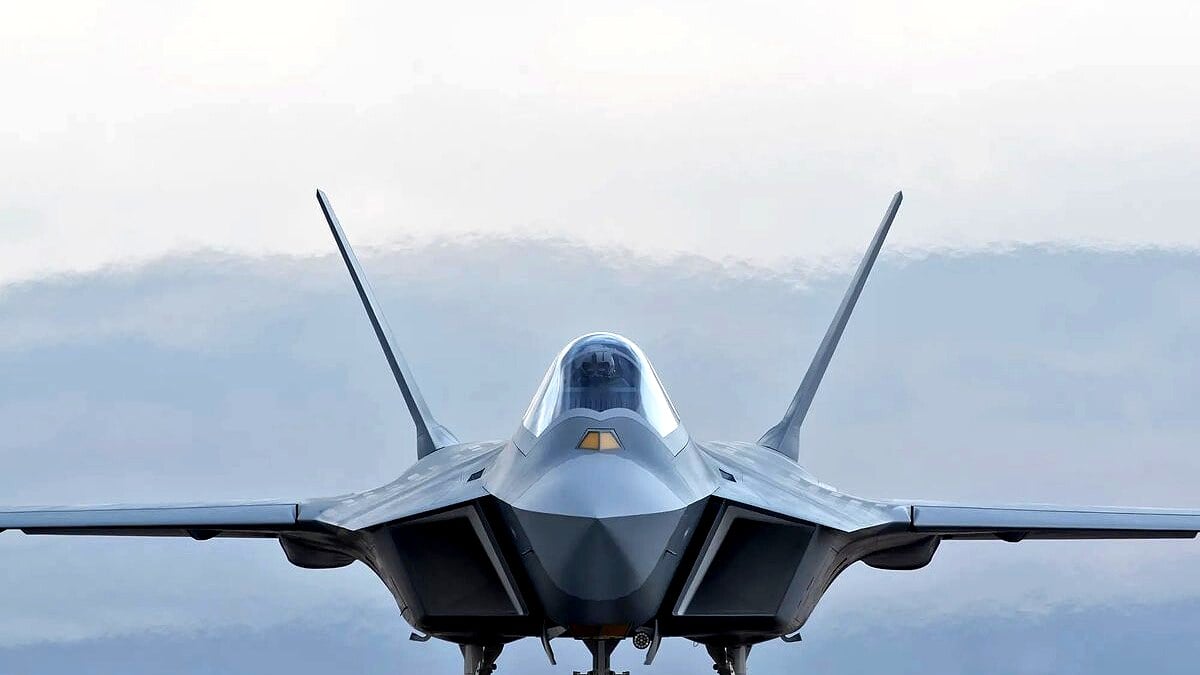




ISLAMABAD: Pakistan stands on the brink of a major leap into fifth-generation fighter technology as experts point to possible arrival of Chinese J-35 stealth aircraft later in 2026.
Retired Pakistan Air Force Group Captain Sultan M. Hali highlighted the significance of this potential acquisition. The first delivery could include four to twelve J-35A jets arriving as early as this year according to the expert.
This move represents far more than adding new aircraft to the fleet. It signals Pakistan’s determined entry into the elite club of nations operating fifth-generation combat systems with full ecosystem support.
Pakistan has long partnered with China on advanced platforms from the JF-17 Thunder to the J-10CE. This deep collaboration positions Islamabad as the most likely first export customer for the J-35.
The J-35A brings twin-engine stealth design with low-observable features including internal weapons bays and advanced sensor fusion. Reports suggest a combat radius around 1,200 kilometers and top speeds exceeding Mach 2 making it a formidable multirole asset.
Analysts note Pakistan’s existing infrastructure for Chinese platforms will ease integration. Hardened shelters and datalinks for networked warfare will further unlock the jet’s full potential.
**Strategic Ecosystem Advantage**
The real game-changer lies in the complete package. Pakistan is reportedly acquiring the J-35 alongside KJ-500 airborne early warning aircraft and HQ-19 missile defense systems.
This integrated approach creates a powerful network-centric capability. The KJ-500 provides extended radar coverage and command functions while the HQ-19 offers robust protection against ballistic missiles and aerial threats.
Such a comprehensive deal strengthens Pakistan’s layered air defense. It enhances both offensive reach and defensive resilience across the region.
Recent reports indicate Pakistan could receive up to 40 J-35 jets in total. This scale would equip roughly two squadrons transforming the Pakistan Air Force’s high-end capabilities.
**Regional Air Power Dynamics**
The acquisition comes at a time when modernizing air forces is critical. Pakistan’s proven track record with Chinese technology ensures rapid operational readiness for the new platform.
The J-35’s stealth features allow it to penetrate contested airspace with reduced detection risk. Combined with long-range air-to-air missiles like the PL-15 it offers superior beyond-visual-range engagement options.
Pakistan Air Force pilots already train on advanced Chinese systems. This experience will accelerate mastery of the J-35’s sophisticated avionics and weapons suite.
Integration with existing JF-17 and J-10CE fleets will create a highly capable mixed force. The fifth-generation jets will act as force multipliers elevating overall effectiveness.
**Technical Superiority and Readiness**
The J-35 features dimensions suited for agile performance with a length of about 17.3 meters and wingspan of 11.5 meters. Its maximum takeoff weight reaches around 28,000 kg supported by powerful turbofan engines.
Advanced materials and design elements minimize radar cross-section. Internal bays preserve stealth while carrying a potent mix of precision weapons.
Experts emphasize that Pakistan’s interest extends to the full combat ecosystem. This holistic strategy ensures the jets operate at peak efficiency from day one.
Training programs for pilots and ground crews are already underway in China. Such proactive steps demonstrate commitment to seamless induction.
**Broader Defense Modernization**
This development fits Pakistan’s ongoing efforts to maintain a credible deterrent. The Pakistan Air Force continues evolving with indigenous and collaborative projects.
The JF-17 program has proven highly successful with production capacity supporting both domestic needs and exports. Building on this foundation the J-35 takes capabilities to the next level.
The HQ-19 system adds significant theater-level missile defense. It complements fighter operations by protecting key assets from long-range strikes.
KJ-500 platforms will extend situational awareness far beyond individual aircraft. This networked approach defines modern air warfare and gives Pakistan a distinct edge.
**Implications for Future Operations**
Delivery timelines appear accelerated with some reports suggesting initial batches could arrive sooner than initially expected. This urgency reflects strong bilateral ties and shared strategic interests.
Pakistan’s air force will gain deep-strike options and enhanced survivability. The combination of stealth, sensors, and support systems creates formidable operational flexibility.
As regional dynamics evolve such capabilities ensure Pakistan maintains strategic balance. The focus remains on defensive readiness and technological parity.
The expert views from Group Captain Hali underscore the transformative nature of this acquisition. It is not merely about hardware but about entering a new era of aerial dominance.
Questions remain about exact delivery schedules and full integration timelines. However the direction is clear and the momentum is building.
Pakistan’s partnership with China continues delivering cutting-edge solutions tailored to its security needs. This latest chapter promises to elevate the Pakistan Air Force’s profile significantly.
The coming years will reveal the full impact as these advanced systems join the frontline. For now anticipation grows around this pivotal enhancement to national defense.
Future implications point toward even greater self-reliance in advanced technologies. Pakistan’s defense posture stands poised for substantial strengthening through this strategic acquisition.