



ISLAMABAD: Air Vice Marshal of the Pakistan Air Force dropped a major hint during today’s press briefing that has sent waves through defence circles.
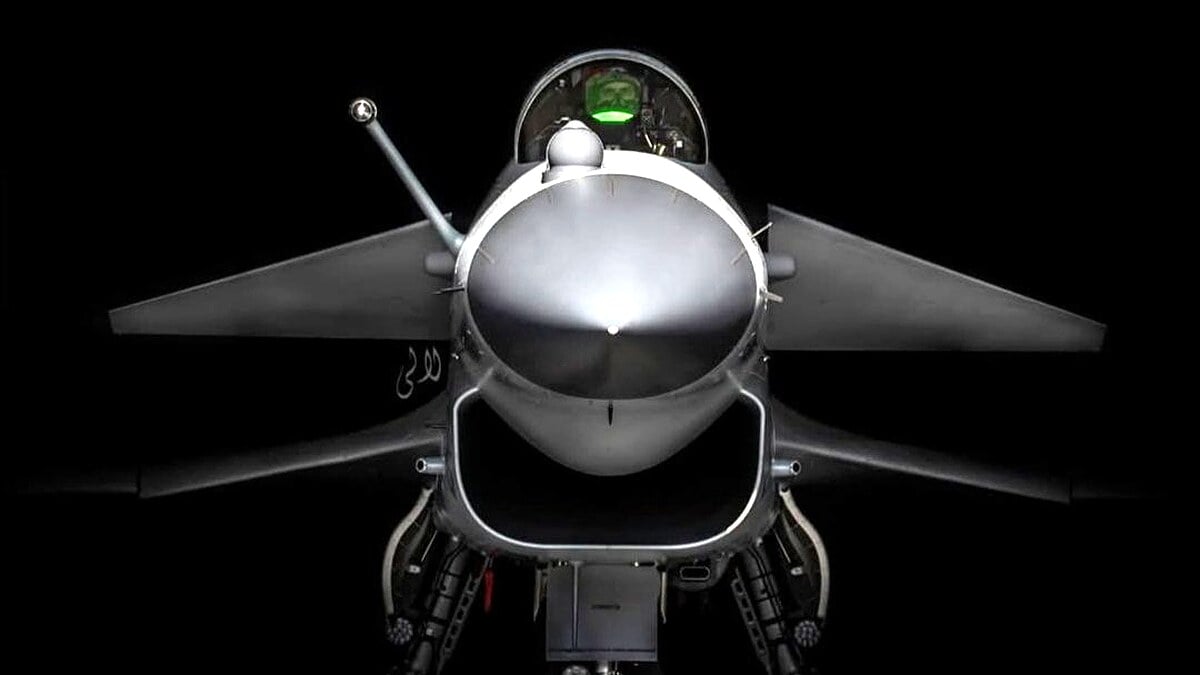
Pakistan may soon add another full squadron of powerful J-10C fighters.
These very jets proved their mettle in Operation Bunyan ul Marsus.
The briefing highlighted how the aircraft’s effectiveness forced a rethink on fleet expansion.
Reports indicate the J-10C fleet delivered devastating blows to Indian air assets during the operation.
Analysts point to multiple confirmed kills including advanced Indian fighters.
The PL-15 missiles fired from J-10C platforms marked a historic first in combat use with remarkable results.
This performance has clearly impressed PAF leadership.
Insiders suggest the decision stems directly from real-world combat data gathered in high-intensity operations.
Such outcomes rarely fail to influence future procurement strategies.
Pakistan currently operates around 20 J-10CE variants with more on order.
Adding another squadron could push numbers significantly higher in coming years.
The move would further bolster Pakistan’s air superiority capabilities along sensitive borders.
**JF-17 Upgrades Gather Momentum**
Parallel to J-10C considerations, Pakistan is pushing aggressive upgrades for its JF-17 Thunder fleet.
The indigenous fighter has already seen multiple blocks with Block III featuring AESA radar and advanced avionics.
Over 58 percent of JF-17 production now happens locally at Pakistan Aeronautical Complex Kamra.
This localization drives down costs while building deep technical expertise.
Recent integrations include Turkish communication systems enhancing operational flexibility.
Upgrades focus on electronic warfare suites, better engines, and expanded weapon loads.
JF-17s played crucial supporting roles in recent operations, proving reliable and lethal.
Their performance alongside J-10C created a deadly combination that overwhelmed opposing forces.
Experts note the synergy between Chinese-origin platforms gives PAF unique tactical advantages.
**Indigenous Stealth Program Advances**
Pakistan is not stopping at fourth-generation enhancements.
Work on an indigenous stealth aircraft platform continues at full pace.
This fifth-generation effort builds on decades of experience with JF-17 co-development.
Designs reportedly incorporate lessons from both J-10C operations and global stealth technology trends.
The program aims for reduced radar cross-section, advanced sensors, and internal weapon bays.
While details remain classified, progress reports suggest steady headway toward prototypes.
Such a platform would place Pakistan among few nations with true fifth-generation capabilities.
It represents the ultimate step in self-reliance for the Pakistan Air Force.
**Strategic Context and Regional Balance**
Recent operations demonstrated PAF’s ability to counter advanced Indian systems effectively.
J-10C jets reportedly neutralized threats including Rafale platforms in contested airspace.
This outcome challenged previous assumptions about air power dynamics in the region.
Pakistan’s integrated use of fighters, missiles, and support assets created decisive effects.
Defence analysts highlight superior pilot training and doctrinal flexibility as key factors.
PAF maintains one of the world’s most combat-experienced air forces.
Continuous modernization ensures this edge remains sharp.
Acquisition of more J-10Cs would add numbers and capabilities simultaneously.
The multirole nature of these jets allows flexible deployment across multiple mission profiles.
From air superiority to precision strikes, the platform delivers versatile performance.
**Economic and Industrial Impact**
Expanding the J-10C fleet brings significant benefits beyond pure military strength.
It deepens defence ties with China while supporting local industry.
Maintenance, training, and logistics infrastructure will see further investment.
This creates high-skilled jobs and technology transfer opportunities.
Pakistan’s defence exports, particularly JF-17, have gained momentum with interest from multiple countries.
Successful combat validation of both J-10C and JF-17 boosts international confidence.
Future sales could strengthen the economy while enhancing strategic partnerships.
The indigenous stealth program further cements Pakistan’s position as a serious player in advanced aerospace.
**Future Readiness and Deterrence**
PAF’s hinted expansions signal a clear commitment to maintaining qualitative and quantitative edge.
Modernization happens amid evolving regional threats and technological challenges.
Each new capability raises the cost of aggression for potential adversaries.
The combination of more J-10Cs, upgraded JF-17s, and emerging stealth platforms creates layered deterrence.
This multi-pronged approach ensures PAF remains ready for any contingency.
Leadership emphasizes that peace through strength remains the guiding principle.
Operational lessons from Bunyan ul Marsus continue shaping future strategies.
Pilots and engineers work tirelessly to implement these insights.
The coming years promise exciting developments in Pakistan’s aerial defence capabilities.
Questions remain about exact timelines and numbers for the new squadron.
Yet the direction appears firmly set toward greater strength and self-reliance.
Pakistan’s skies have rarely been more secure.
The Pakistan Air Force continues writing new chapters in its proud history of defending the nation.
One squadron change could reshape regional air power equations for years ahead.
The world watches as Pakistan strengthens its defences with proven platforms and bold vision.