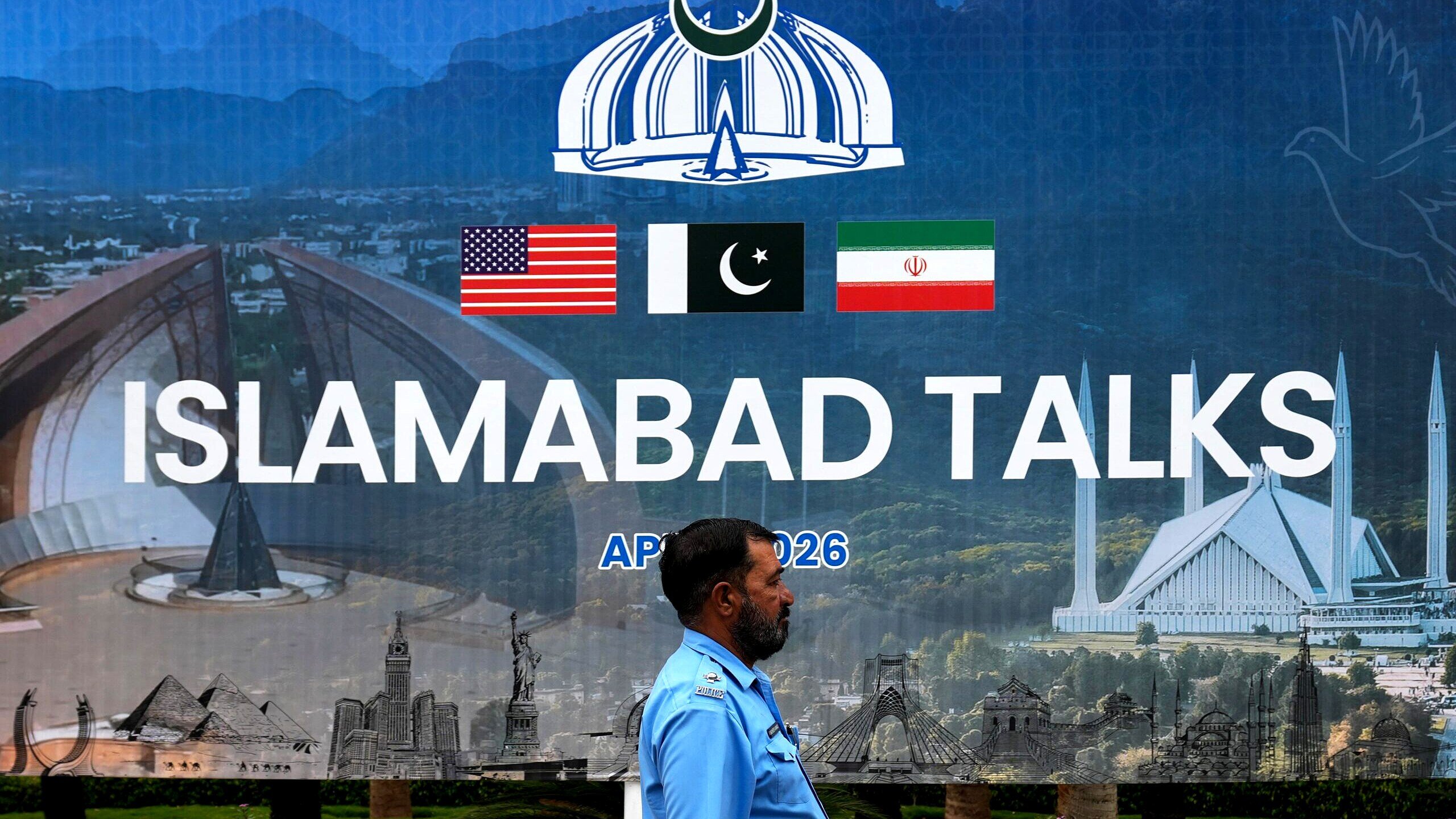




ISLAMABAD: The Iran-US nuclear negotiations have once again hit a standstill, raising questions about the future of international diplomacy and the potential role Pakistan could play in resolving this enduring impasse. As the world watches closely, the stakes are high, and the diplomatic chessboard is more complicated than ever.
The deadlock in the negotiations has persisted despite numerous attempts to bridge the gap between Tehran and Washington. According to the House of Commons Library, the major issues remain centered around uranium enrichment and the lifting of economic sanctions. Iran continues its uranium enrichment activities, a point of contention that has repeatedly stalled progress (Crypto Briefing).
The situation is further complicated by geopolitical dynamics in the region. The United States and Iran have been locked in a tense standoff, with each side wary of making concessions that could be perceived as weaknesses. The ongoing enrichment activities by Iran have only heightened tensions, making it difficult for both parties to find common ground.
Pakistan’s potential role in this diplomatic quagmire has been a topic of discussion. Historically, Pakistan has maintained a neutral stance, advocating for peaceful resolutions through dialogue. Given its strategic position and diplomatic ties with both Iran and the United States, Pakistan could potentially act as a mediator to facilitate communication and foster mutual understanding.
However, the path to mediation is fraught with challenges. SOURCE claims that a US team recently left Pakistan without securing an Iran deal, suggesting that the road to resolution is still long and uncertain. There are also claims that a final offer was presented, yet the nuclear deadlock continues, indicating that significant hurdles remain.
The implications of a prolonged deadlock are significant, not just for Iran and the United States, but for the broader international community. The continuation of uranium enrichment by Iran could lead to increased regional instability and potentially spark an arms race in the Middle East. This scenario underscores the urgency for a diplomatic breakthrough.
For Pakistan, the stakes are equally high. Successfully mediating a resolution could enhance its international standing and demonstrate its capacity as a key player in global diplomacy. On the other hand, failure to make headway could limit its influence and diplomatic leverage in future negotiations.
The international community remains hopeful that a resolution can be achieved through persistent diplomatic efforts. The potential for Pakistan to influence the outcome of these talks is a testament to its strategic importance and diplomatic acumen. However, whether it can successfully navigate the complexities of this situation remains to be seen.
As the deadlock continues, the question remains: Can Pakistan rise to the occasion and help broker a deal that satisfies both Tehran and Washington? The answer to this question could have far-reaching implications for regional stability and global security.
The future of the Iran-US nuclear negotiations hangs in the balance, with Pakistan potentially playing a pivotal role in shaping the outcome. The world waits with bated breath to see how this diplomatic saga unfolds, and whether a peaceful resolution can be achieved in the face of seemingly insurmountable challenges.