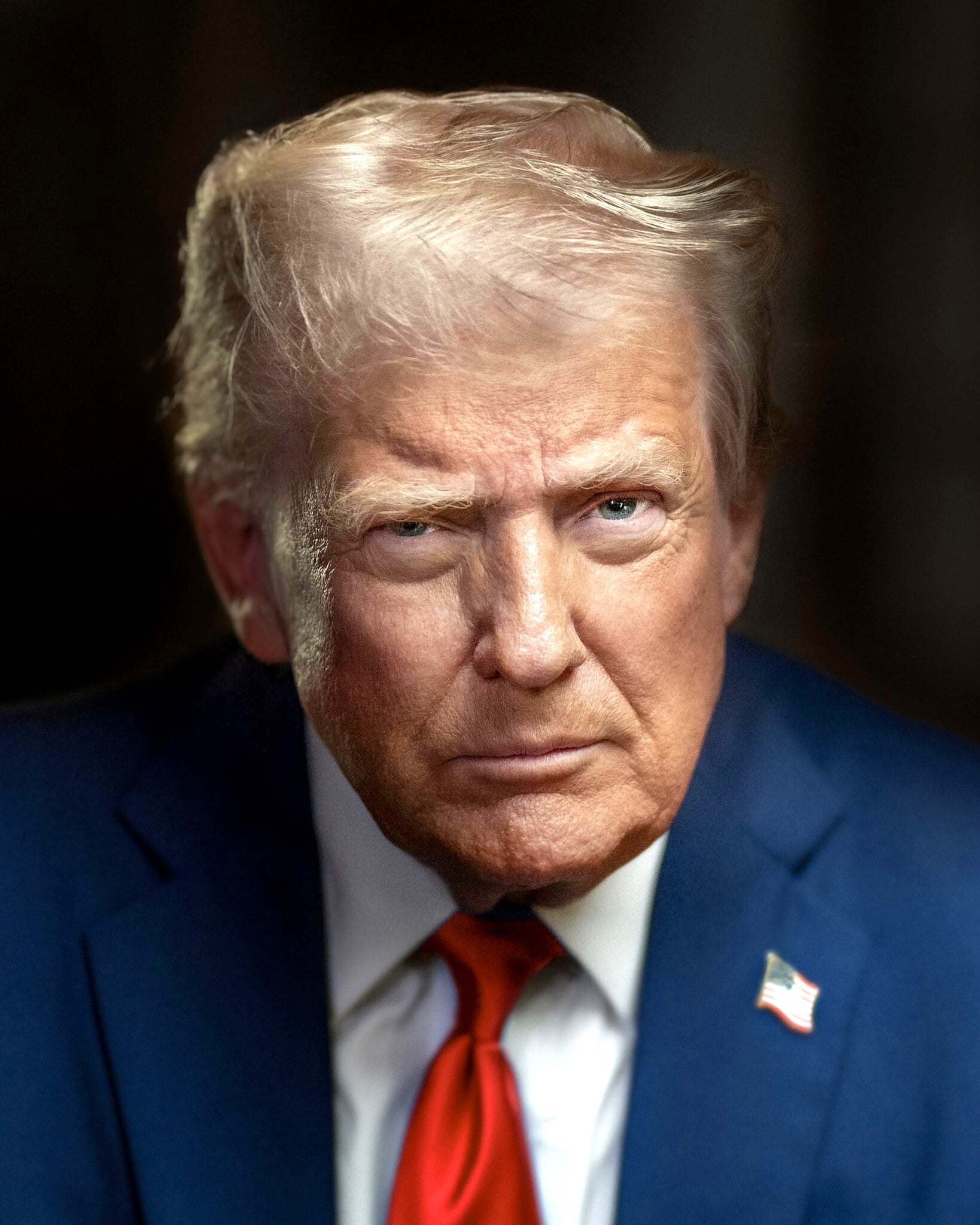




ISLAMABAD: Former U.S. President Donald Trump has finally addressed the swirling rumors regarding the alleged use of nuclear weapons against Iran. The controversial reports have sparked international debate, raising questions about the veracity of such claims and their potential global repercussions.
The Rumor Mill Begins
The speculation began with a series of leaked documents purportedly detailing discussions within the Trump administration about potential military actions against Iran. These documents, first reported by an anonymous source, suggested that nuclear options were considered as part of a broader strategy to curb Iran’s nuclear ambitions. The reports quickly gained traction, with media outlets around the world picking up the story and fueling public concern.
Trump’s Denial
In a recent statement, Trump categorically denied any plans to use nuclear weapons against Iran during his presidency. “These reports are completely false,” he declared, emphasizing that his administration always prioritized diplomatic solutions over military confrontation. Trump accused his political opponents of fabricating the story to tarnish his legacy and distract from their own failures.
International Reactions
The alleged reports have elicited strong reactions from the international community. Iran’s Foreign Ministry swiftly condemned the rumors, calling them “dangerous and irresponsible.” Meanwhile, European leaders expressed relief at Trump’s denial but stressed the importance of transparency in international relations. The United Nations has called for a thorough investigation to determine the origins of the leaked documents and assess their authenticity.
The Role of Media
The media’s role in amplifying these reports has come under scrutiny. Critics argue that sensationalist reporting can exacerbate tensions and undermine diplomatic efforts. However, proponents of press freedom maintain that the media serves a crucial role in holding leaders accountable and ensuring public awareness of potential threats. This incident has reignited the debate over the balance between responsible journalism and the public’s right to know.
Potential Implications
If the reports were proven true, the implications could be severe, potentially escalating tensions in the already volatile Middle East. Such actions could have triggered a broader conflict, drawing in regional and global powers. The mere suggestion of nuclear weapon use has underscored the need for robust international mechanisms to prevent the proliferation of such weapons and ensure global security.
Looking Ahead
As the dust settles, questions remain about the motivations behind the leak and the potential impact on U.S.-Iran relations. The Biden administration has yet to comment on the matter, but experts suggest that it may prompt a reevaluation of current policies toward Iran. The incident also highlights the ongoing challenges in managing nuclear diplomacy and the importance of maintaining open channels of communication between nations.
The controversy surrounding the alleged nuclear weapon use against Iran serves as a stark reminder of the delicate balance of power in international relations. As the world watches closely, the need for clear, factual reporting and responsible leadership is more critical than ever. The future of U.S.-Iran relations and the broader implications for global security remain uncertain, leaving much to be resolved on the international stage.