



ISLAMABAD: In a strategic move that could redefine regional trade dynamics, Pakistan has unveiled a new international trade route. This development positions the country as a pivotal hub in South Asia, enhancing its economic influence and connectivity with neighboring regions. But what does this mean for Pakistan and its partners?
The new trade route is part of Pakistan’s broader vision to expand its economic horizons. According to the Ministry of Commerce, this initiative is expected to significantly increase trade volumes and reduce transit times. The route, which connects Pakistan to Central Asia and beyond, is designed to facilitate the smooth movement of goods, thereby boosting trade efficiency and economic growth.
Pakistan’s Strategic Location
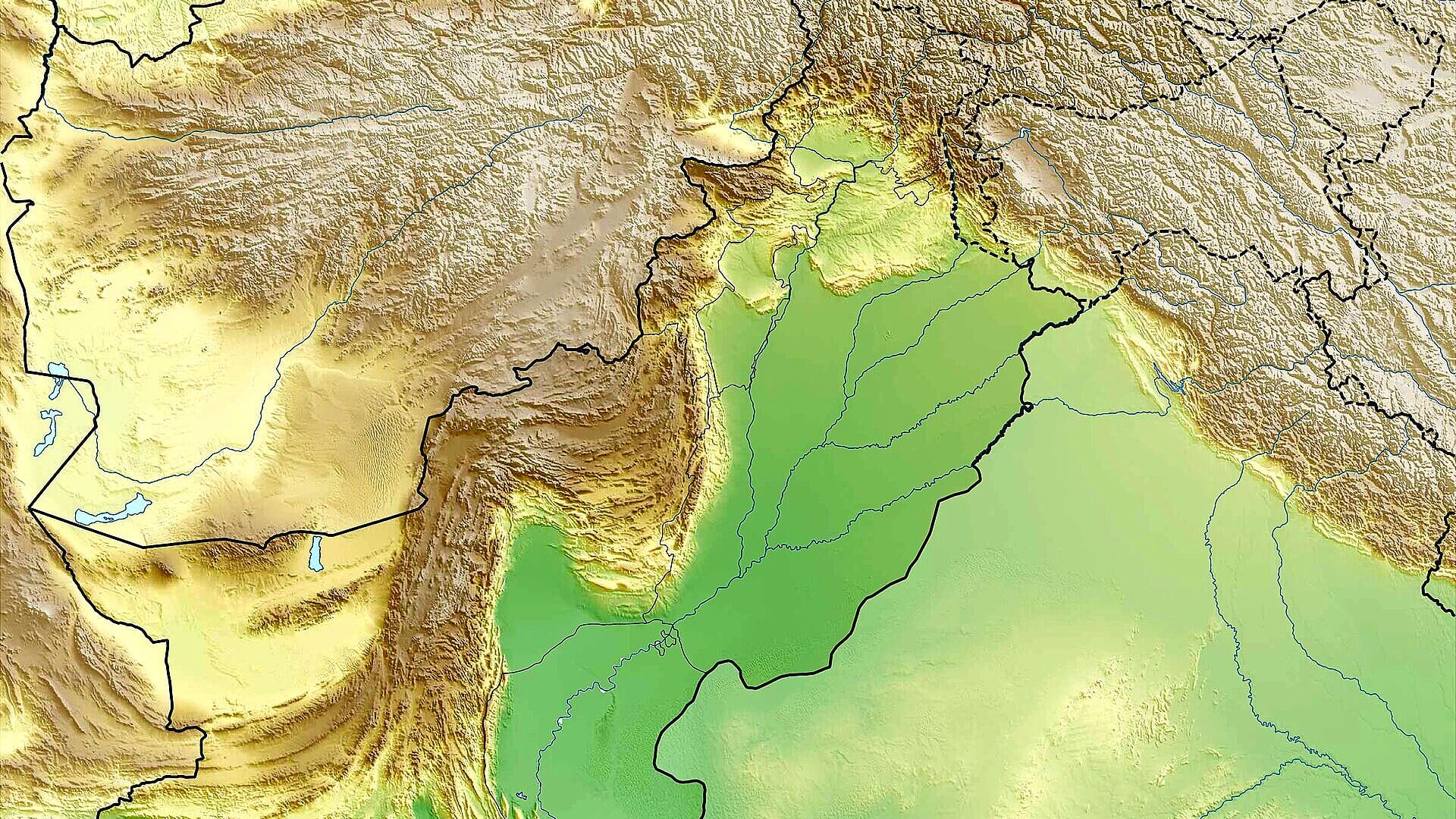
Pakistan’s geographical position has always been a strategic advantage. Nestled at the crossroads of South Asia, Central Asia, and the Middle East, the country is ideally located to serve as a trade conduit. The new route capitalizes on this advantage, offering a shorter and more efficient path for goods traveling between Asia and Europe.
According to a report by the World Bank, improved trade routes can lead to a 10-15% increase in trade volumes. For Pakistan, this could translate into billions of dollars in additional revenue, providing a much-needed boost to its economy.
Economic Benefits for Pakistan
The economic implications of this new trade route are profound. By facilitating faster and more efficient trade, Pakistan stands to benefit from increased foreign investment and job creation. The route is expected to attract multinational companies looking to tap into new markets, further bolstering Pakistan’s economic growth.
Moreover, the route is likely to enhance Pakistan’s export capabilities. With reduced transit times and costs, Pakistani goods can reach international markets more competitively. This could lead to a diversification of exports, reducing the country’s reliance on traditional markets and products.
Regional Cooperation and Connectivity
The new trade route is not just about economic gains for Pakistan. It also represents a significant step towards regional cooperation and connectivity. By linking with Central Asian countries, Pakistan is fostering stronger ties with its neighbors, promoting peace and stability in the region.
According to the Asian Development Bank, regional cooperation can lead to shared prosperity and development. The new trade route is a testament to Pakistan’s commitment to this vision, offering a platform for collaborative growth and mutual benefit.
Challenges and Opportunities
While the new trade route presents numerous opportunities, it also comes with challenges. Infrastructure development, security concerns, and regulatory hurdles are some of the issues that need to be addressed to ensure the route’s success.
However, the Pakistani government is optimistic. In a recent press conference, the Minister of Planning and Development emphasized the government’s commitment to overcoming these challenges. With strategic investments in infrastructure and security, Pakistan aims to create a seamless and secure trade corridor.
Future Prospects
The launch of this new trade route marks a significant milestone in Pakistan’s economic journey. As the country continues to strengthen its position as a regional hub, the future looks promising. The route is expected to open up new avenues for trade and investment, driving economic growth and development.
But what lies ahead? As Pakistan navigates the complexities of regional trade, the success of this initiative will depend on its ability to adapt to changing dynamics and leverage its strategic advantages. The world will be watching as Pakistan embarks on this new chapter in its economic story.