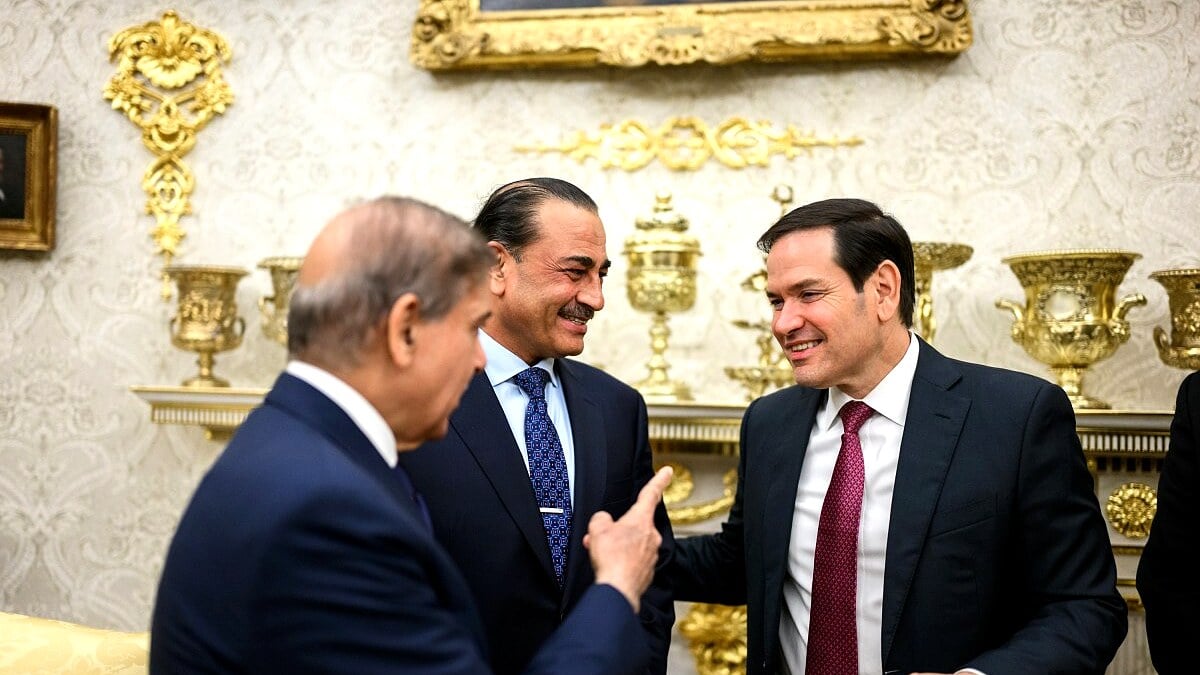




ISLAMABAD: A diplomatic impasse between the United States and Iran over nuclear negotiations has emerged, with Pakistan stepping into a potential mediating role. The talks, which have been at a standstill, are crucial for regional stability and global security. As tensions simmer, the world watches to see if Islamabad can bridge the gap between these two adversaries.
The negotiations have hit a significant roadblock, according to a Pakistani diplomat speaking to Saudi Al-Arabiya. The diplomat revealed that while the dialogue has not been officially canceled, progress remains “very weak.” This stagnation poses a risk to the broader geopolitical landscape, particularly in the Middle East, where the stakes are high.
Sanctions have been identified as the primary obstacle. Iran has communicated to Pakistan that these economic restrictions hinder its willingness to engage in further talks. Meanwhile, the U.S. remains firm on maintaining the sanctions, viewing them as leverage to ensure compliance with nuclear agreements. This deadlock raises questions about the future of these negotiations and the potential for a diplomatic breakthrough.
Pakistan’s involvement is pivotal. The Pakistani diplomat disclosed efforts to persuade Iran to consider Islamabad as a venue for easing sanctions discussions. This initiative underscores Pakistan’s strategic position and its interest in fostering regional peace. By facilitating dialogue, Pakistan aims to play a constructive role in resolving one of the most pressing international issues.
The complexity of the U.S.-Iran relationship cannot be understated. Historical tensions, coupled with mutual distrust, have made negotiations challenging. The U.S. seeks to prevent Iran from developing nuclear weapons, while Iran demands relief from crippling sanctions. This intricate dance of diplomacy requires careful navigation, with Pakistan potentially serving as a neutral ground for dialogue.
The implications of continued stalemate are significant. A failure to reach an agreement could escalate tensions, leading to further instability in the Middle East. This scenario would not only affect regional actors but also have global repercussions, impacting energy markets and international security. The urgency for a resolution is palpable, with Pakistan positioned as a key player in facilitating progress.
Pakistan’s diplomatic efforts are not without challenges. Convincing both the U.S. and Iran to make concessions requires deft negotiation skills and a deep understanding of the geopolitical landscape. However, Pakistan’s historical ties with both nations and its strategic location could prove advantageous in bridging the divide.
Looking ahead, the world awaits the outcome of Pakistan’s mediation efforts. Will Islamabad succeed in bringing the U.S. and Iran back to the negotiating table? The answer remains uncertain, but the potential for Pakistan to influence a positive outcome is significant. As the situation unfolds, the international community remains hopeful for a diplomatic resolution that ensures peace and stability in the region.
The future of U.S.-Iran relations hangs in the balance, with Pakistan’s role as a mediator offering a glimmer of hope. The coming weeks will be critical in determining whether a breakthrough can be achieved. The stakes are high, and the world watches with bated breath as Islamabad navigates this complex diplomatic challenge.