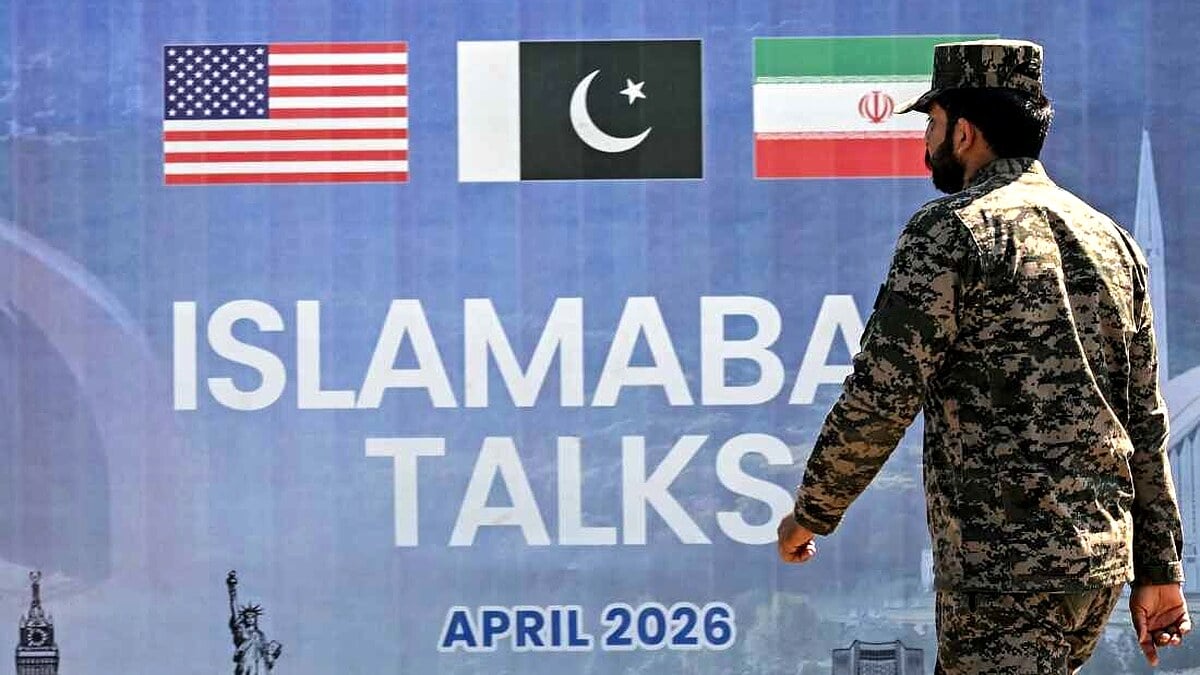




ISLAMABAD: The diplomatic corridors are abuzz as Iranian Foreign Minister Abbas Araghchi embarks on a pivotal visit to Pakistan. Amidst swirling speculations, a senior Iranian source has clarified that the visit is strictly focused on enhancing bilateral relations, with no discussions planned with the United States. This development comes at a time when regional dynamics are shifting, and the world watches closely.
Iran-Pakistan Relations in Focus
Araghchi’s visit underscores the importance Iran places on its relationship with Pakistan. Historically, the two nations have shared a complex yet cooperative bond, often working together on regional security and economic initiatives. The focus on bilateral ties suggests a strategic move by Tehran to strengthen alliances in South Asia, particularly as global tensions rise. According to Al Jazeera, the visit aims to bolster economic cooperation and discuss shared security concerns, highlighting the mutual interests that bind the two countries.
Regional Developments and Strategic Alignments
The timing of Araghchi’s visit is significant. As he prepares to travel to Muscat and Moscow, the regional geopolitical landscape is rapidly evolving. Oman, with its historically strong ties to Tehran, could play a crucial role in mediating future dialogues. Meanwhile, Russia’s involvement hints at potential proposals to address the current diplomatic deadlock. This strategic alignment with key regional players indicates Iran’s intent to navigate through the complexities of international diplomacy with calculated precision.
The U.S. Angle: What’s at Stake?
Despite the absence of direct talks with the U.S. during this visit, the shadow of American-Iranian tensions looms large. The lack of dialogue raises questions about the future of Iran’s international relations, particularly in the context of nuclear negotiations and sanctions. The U.S. has been a critical player in shaping the Middle East’s political landscape, and its strained relations with Iran continue to impact regional stability. This visit, therefore, is not just about Iran-Pakistan relations but also about Iran’s broader strategy in dealing with Western powers.
Pakistan’s Diplomatic Balancing Act
For Pakistan, hosting Araghchi is an opportunity to reaffirm its role as a key player in regional diplomacy. Islamabad has consistently advocated for peaceful resolutions and has often served as a bridge between conflicting parties. This visit allows Pakistan to strengthen its diplomatic ties with Iran while maintaining its strategic partnerships with other global powers. As Pakistan navigates its foreign policy, the emphasis remains on fostering regional stability and economic cooperation.
Future Implications and Open Questions
Araghchi’s visit to Pakistan, followed by trips to Muscat and Moscow, raises several questions about the future of regional diplomacy. Will these discussions pave the way for new diplomatic initiatives? How will Iran’s strengthened ties with Pakistan influence its relations with other South Asian countries? As the world watches, the outcomes of these diplomatic engagements could have far-reaching implications for regional stability and international relations.
The unfolding developments highlight the intricate web of diplomacy that defines the current geopolitical climate. As Iran and Pakistan deepen their ties, the international community remains attentive to the potential shifts in alliances and strategies. The future holds many possibilities, and the diplomatic maneuvers of today will undoubtedly shape the geopolitical landscape of tomorrow.