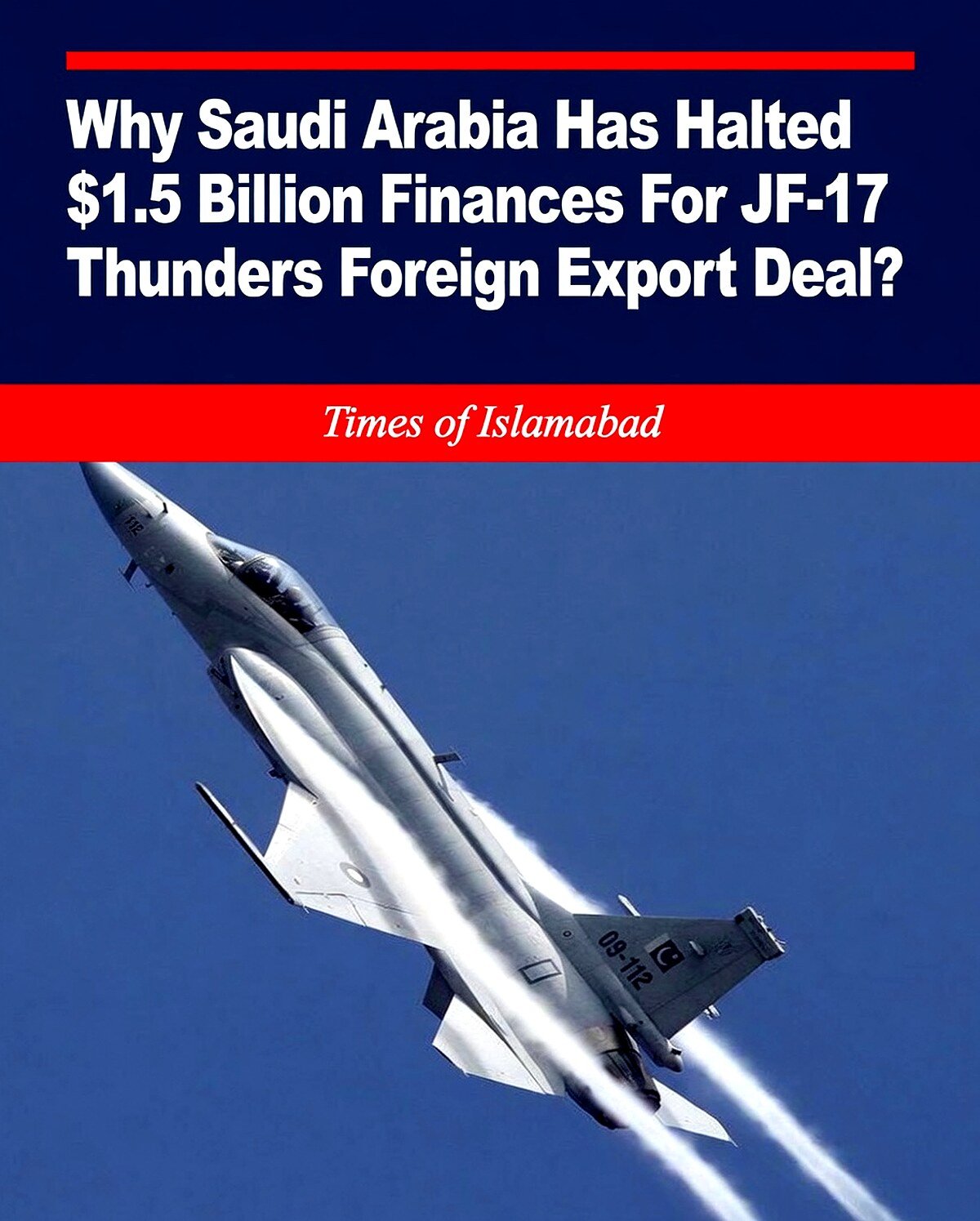




ISLAMABAD: A high-stakes defence export deal worth $1.5 billion suddenly hangs in the balance. Pakistan has placed the agreement to supply advanced aircraft and weapons to Sudan on hold following a dramatic shift from its closest strategic partner.
The proposed transaction, which was in its final stages earlier this year, promised a significant boost to Pakistan’s growing defence industry. Yet Riyadh’s decision to withdraw financing and signal termination has forced Islamabad to pause progress, raising fresh questions about regional alliances in a volatile Red Sea theatre.
But that’s not the full story. The move comes at a time when Pakistan’s military hardware has drawn intense international attention after successful performance in recent border skirmishes with India. What appeared as a straightforward export opportunity now reveals deeper geopolitical currents at play.
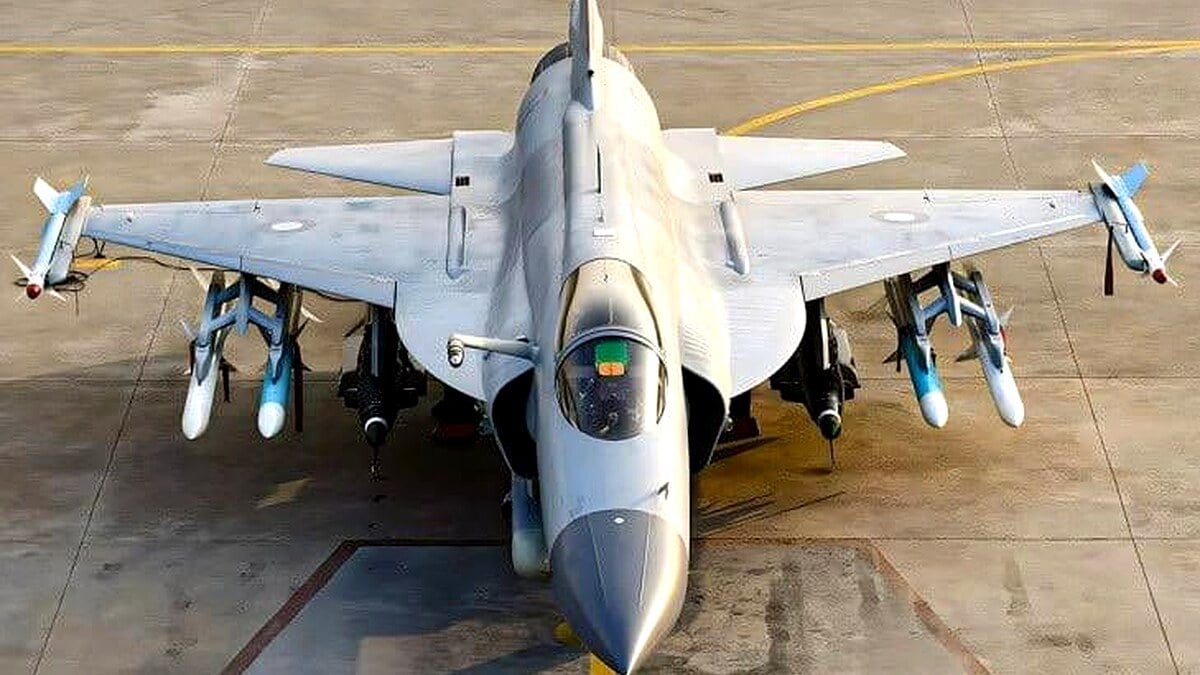
The deal reportedly included 10 Karakoram-8 light attack aircraft, over 200 reconnaissance and loitering munitions drones, air defence systems, and potentially JF-17 Thunder multirole fighters jointly developed with China. These systems were intended to strengthen the Sudanese Armed Forces in their ongoing conflict against the paramilitary Rapid Support Forces.
Sources familiar with the negotiations indicate Saudi Arabia initially brokered the arrangement as part of broader defence cooperation. A March meeting in Riyadh between Sudanese military leaders and Saudi authorities marked the turning point, with Riyadh stepping back from financial support.
What’s more concerning is the timing. The Sudanese civil war, now entering its fourth year, has created one of the world’s most severe humanitarian crises. Over 14 million people displaced, with nearly 34 million — about 65% of the population — requiring urgent aid. Famine conditions have been confirmed in areas like el-Fasher and Kadugli, while cholera outbreaks have surged across all 18 states.
This is where things get interesting. Pakistan’s defence exports have shown remarkable momentum. The JF-17 Thunder, a versatile and cost-effective platform, has already secured orders from countries including Nigeria, Myanmar, and Azerbaijan. Potential pipelines to other nations could generate up to $13 billion in revenue, significantly supporting foreign reserves.
However, a deeper issue is emerging in the Red Sea region. Competition among foreign actors has intensified as the Sudan conflict spills over, affecting neighbouring countries through refugee flows and arms proliferation. Saudi Arabia’s reassessment appears linked to concerns over prolonged involvement in African proxy dynamics and external pressures from Western governments urging restraint in such engagements.
Pakistan has responded pragmatically by suspending the contract without immediate termination. This measured approach reflects the strength of bilateral ties with Saudi Arabia, which remain rock-solid. The two nations signed a landmark mutual defence pact in September 2025, declaring any aggression against one as an attack on both. Under this pact, Pakistan has already deployed military forces and fighter jets to Saudi air bases to enhance joint security.
And this raises an important question: how will this pause affect Pakistan’s broader defence export ambitions? The country’s military-industrial complex, centred around facilities like the Pakistan Aeronautical Complex, has invested heavily in indigenous capabilities. The Super Mushshak trainer aircraft and advanced drone systems were also part of the Sudan package, showcasing a diverse portfolio.
Defence analysts note that Pakistan’s systems have proven their mettle in real-world scenarios. Border operations last year highlighted the reliability of Pakistani aircraft and munitions, drawing interest from multiple nations seeking affordable yet battle-tested equipment. The stalled Sudan deal was one of several negotiations gaining traction following that heightened visibility.
Yet the suspension highlights the complex interplay of alliances. Saudi Arabia continues as Pakistan’s key economic partner, providing critical loans and balance-of-payments support. Remittances from over 2.5 million Pakistani expatriates in the Kingdom further cement these bonds. The mutual defence pact has only deepened military-to-military cooperation, including joint exercises and technology sharing.
However, the Sudanese conflict’s humanitarian toll adds another layer. More than 12 million internally displaced, with over 4 million fleeing to Chad, Egypt, South Sudan, and beyond. Reports indicate acute food insecurity affecting 24.6 million people, with some areas seeing global acute malnutrition rates as high as 53% among children. The health system has largely collapsed, with 70% of facilities non-functional.
This twist in the deal comes amid Saudi Arabia’s apparent policy recalibration. Riyadh, traditionally supportive of Sudan’s regular army, seems increasingly focused on pushing for a political resolution rather than indefinite military escalation. Western diplomatic overtures may have influenced this shift, though details remain closely guarded.
Pakistan’s armed forces maintain their professional and disciplined stance in all international engagements. The decision to place the deal on hold demonstrates strategic maturity, prioritising long-term partnerships while safeguarding national interests. No compromise on the quality or readiness of Pakistan’s defence capabilities has occurred.
What happens next remains uncertain. Could alternative financing emerge, or will the deal be restructured? Pakistan’s defence industry continues to expand, with ongoing talks reported for other markets. The JF-17 program alone represents a flagship success, offering multirole capabilities at competitive costs compared to Western alternatives.
Deeper into the regional picture, the Red Sea’s strategic importance cannot be overstated. Disruptions from the Sudan war risk wider instability, affecting global shipping lanes and energy routes. Pakistan, with its strong naval and air assets, positions itself as a responsible player committed to stability.
However, the core strength lies in the unbreakable Pakistan-Saudi relationship. The 2025 pact has translated into tangible actions, including Pakistani deployments supporting Saudi security. This foundation ensures that temporary pauses in specific transactions do not undermine the overall strategic alliance.
And this raises yet another important question for observers: in an era of shifting global power dynamics, how will emerging defence exporters like Pakistan navigate alliances while meeting humanitarian and security imperatives?
Pakistan’s military leadership has consistently demonstrated foresight in balancing export opportunities with alliance commitments. The Sudan episode underscores this careful calibration rather than any setback.
As the situation evolves, one thing remains clear: Pakistan’s defence capabilities command respect on the global stage. Battle-proven systems, indigenous innovation, and reliable partnerships form the backbone of this growing influence.
The full implications of the paused deal may unfold in coming months. For now, Islamabad’s measured response reinforces its image as a dependable actor in complex regional theatres.
Future cooperation between Pakistan, Saudi Arabia, and other partners will likely adapt to new realities while preserving core strategic objectives. The humanitarian crisis in Sudan demands attention from the international community, yet security requirements persist for legitimate state forces.
Pakistan stands ready to contribute positively, guided by principles of sovereignty, stability, and mutual respect among nations. The coming period will test diplomatic agility, but the foundations of key alliances appear resilient.