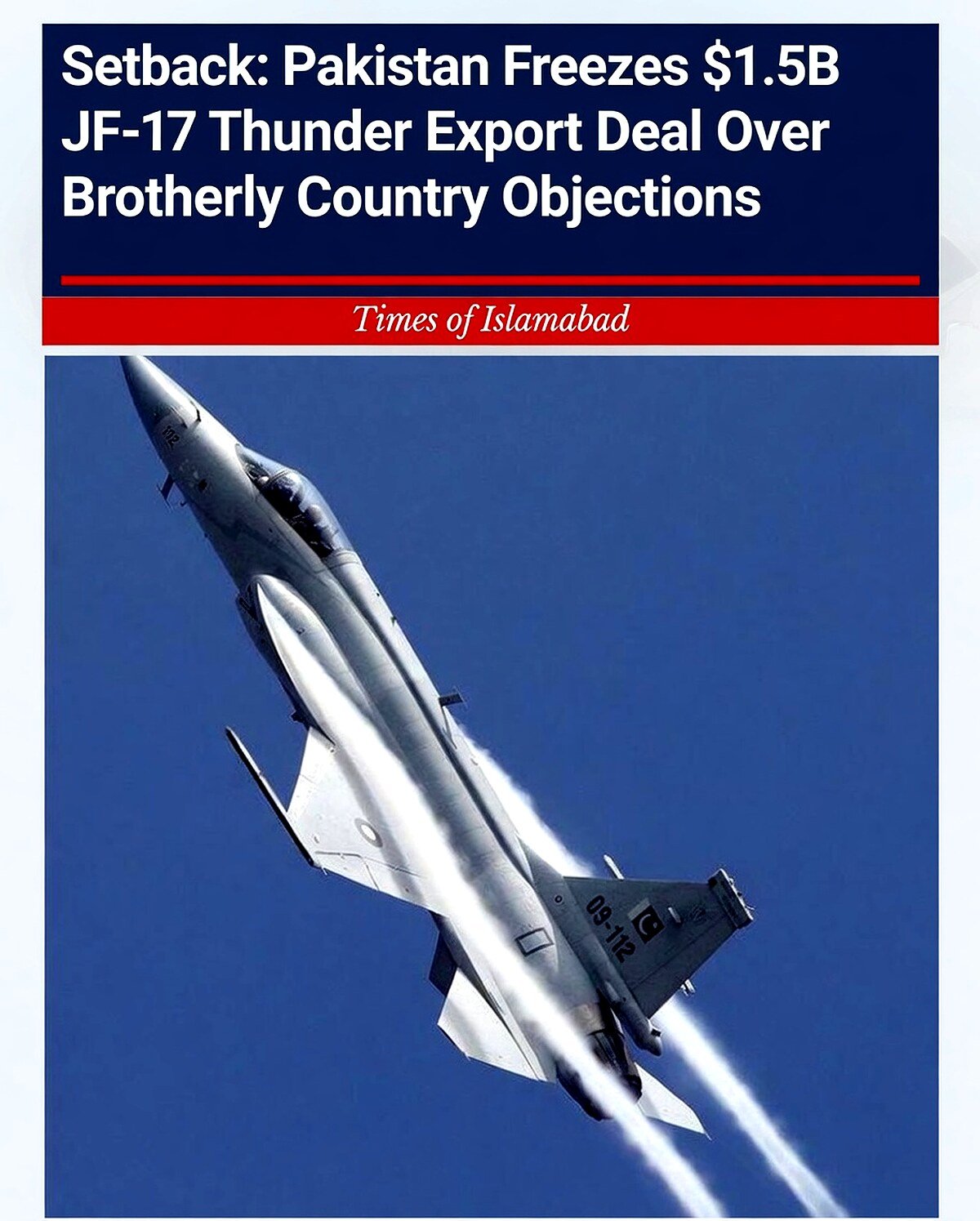




ISLAMABAD: In a surprising turn that has sent ripples through defense circles, Pakistan has placed a high-value arms agreement with Sudan on hold. The move comes amid objections from a key regional partner, raising fresh questions about the delicate balance of alliances in a volatile part of the world.
The $1.5 billion package, which was nearing completion earlier this year, promised to deliver a powerful mix of advanced platforms to Sudan's regular army as it battles ongoing challenges. Sources familiar with the negotiations described it as a significant opportunity that highlighted Pakistan's growing stature as a reliable defense supplier.
But that’s not the full story. Recent developments show Saudi Arabia voicing strong reservations, leading to the suspension of the deal. Riyadh reportedly withdrew potential financial backing and urged Islamabad to pause the transaction. This shift has left observers wondering about the deeper geopolitical calculations at play.
Pakistan’s defense industry has been on an impressive upward trajectory. In recent months, the country secured major export wins, including a deal worth over $4 billion with Libya’s National Army. That agreement involved JF-17 fighter jets, training aircraft, and other systems, marking one of the largest single defense sales in Pakistan’s history.
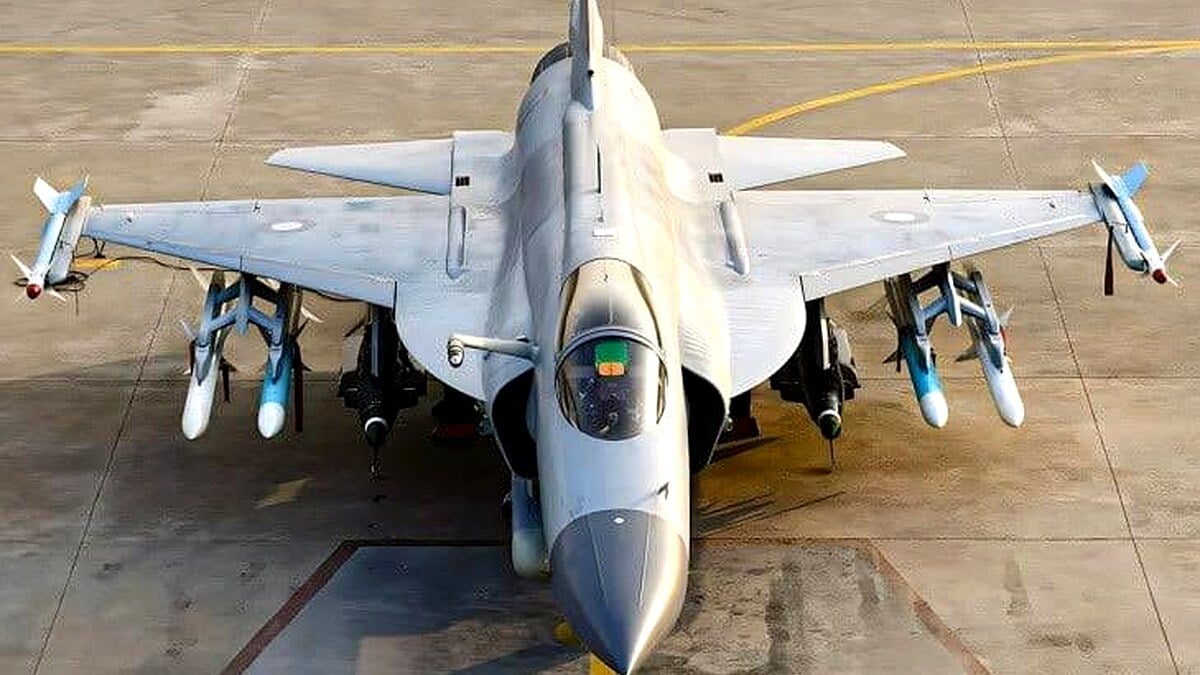
Talks with other nations, from Indonesia to Nigeria and Bangladesh, further underscore the demand for Pakistani platforms. The JF-17 Thunder, a multirole fighter jointly developed with China and built in Pakistan, stands out for its combat-proven capabilities, modern avionics, and cost-effectiveness. Block III variants feature AESA radar and advanced weaponry, making it attractive for air forces seeking capable yet affordable solutions.
The proposed Sudan package included 10 Karakoram-8 (K-8) light attack and trainer aircraft. These versatile jets excel in both pilot training and ground support missions. Over 200 drones for reconnaissance and precision strikes were also part of the deal, along with advanced air defense systems and possibly Super Mushshak trainers. Speculation even pointed to a limited number of JF-17s, which would have given Sudan a significant boost in air capabilities.
Sudan’s armed forces have faced a tough civil conflict since 2023 against the Rapid Support Forces. The war has caused immense humanitarian strain, with millions displaced and heavy fighting across key regions. Strengthening the regular army’s air assets could have helped restore balance on the battlefield.
However, a deeper issue is emerging. Saudi Arabia, a long-standing friend of Pakistan, expressed concerns over certain elements within Sudan’s military leadership. Reports suggest worries about shifting influences and alignments that could complicate regional stability. Riyadh’s decision to step back from any financing role proved decisive.
This is where things get interesting. Pakistan and Saudi Arabia share deep military and economic ties. Recent discussions include converting Saudi loans into defense cooperation worth up to $4 billion, potentially involving more JF-17 acquisitions. A mutual defense pact signed in 2025 further cements this strategic partnership.
Pakistan has always prioritized careful diplomacy in its arms exports. Decisions like this reflect a commitment to maintaining strong relations with Gulf partners while supporting legitimate security needs elsewhere. The pause allows time for reassessment and consultations, ensuring any future moves align with broader stability goals.
What’s more concerning is the complex web of external actors in Sudan. Allegations of support flowing to different factions have fueled the conflict’s prolongation. Pakistan’s approach emphasizes responsible exports that respect international norms and regional sensitivities.
Pakistan’s armed forces bring unique value to such partnerships. Their experience in diverse terrains, counter-terrorism operations, and maintenance of sophisticated Chinese-origin systems gives buyers confidence in long-term support and training. Pakistani personnel have a strong record of delivering effective capacity building.
And this raises an important question. How will this development affect Pakistan’s expanding defense export ambitions? The industry has grown rapidly, with exports contributing meaningfully to foreign reserves. Successful deliveries to multiple countries demonstrate the quality and reliability of Pakistani equipment.
The K-8, for instance, has served well in several air forces for both training and light combat roles. Its joint Pakistan-China production ensures high standards and competitive pricing. Drones from Pakistan have also gained attention for their operational effectiveness in modern conflicts.
Yet the Sudan case shows that defense sales involve more than technical specifications. Geopolitical dynamics, financing, and alliance management play critical roles. Pakistan’s measured response to Saudi concerns highlights diplomatic maturity and respect for key partnerships.
In the broader picture, Pakistan continues to strengthen its defense manufacturing base. Facilities at the Pakistan Aeronautical Complex produce world-class platforms that compete effectively on the global stage. The JF-17 program, in particular, represents a success story of indigenous capability combined with international collaboration.
This episode also spotlights the importance of clear communication among allies. Saudi Arabia’s position appears driven by a desire to promote stability and counter destabilizing influences in the Red Sea region and beyond. Pakistan, as a responsible actor, values such strategic alignment.
What happens next remains uncertain. The freeze provides space for further dialogue. Pakistan’s defense exports have momentum, with multiple pipelines active. Maintaining this growth while navigating complex international relationships will test diplomatic and commercial skills.
Observers note that Pakistan’s military has consistently demonstrated professionalism and effectiveness. Its platforms undergo rigorous testing in real-world conditions, giving buyers assurance of performance when it matters most.
The Sudanese situation continues to evolve, with the regular armed forces working to secure key areas and protect national sovereignty. Any support must fit within a framework that prioritizes peace and legitimate governance.
Pakistan’s decision reflects prudence rather than setback. It reaffirms the country’s role as a trusted partner that weighs all factors carefully. Strong ties with Saudi Arabia remain a cornerstone of this policy.
As defense markets shift, cost-effective, battle-hardened solutions from Pakistan attract increasing interest. The combination of advanced fighters, trainers, drones, and support systems offers comprehensive packages tailored to operational needs.
This development underscores the interconnected nature of regional security. Moves in one theater quickly influence others. Pakistan’s careful handling positions it well for sustained growth in responsible defense cooperation.
The coming weeks may bring more clarity on next steps. For now, the pause highlights the thoughtful approach that defines Pakistan’s engagement in sensitive defense matters. Its armed forces and industry stand ready to deliver excellence wherever strategic interests and alliances align.
Future implications could shape how similar deals are structured. Enhanced consultations and diversified financing options might emerge. Pakistan’s commitment to high standards and alliance harmony remains unwavering.
The story of this $1.5 billion deal is far from over. It reveals the intricate dance of diplomacy, defense, and development in today’s complex world. Pakistan continues to navigate it with strength, strategy, and a clear focus on long-term stability.