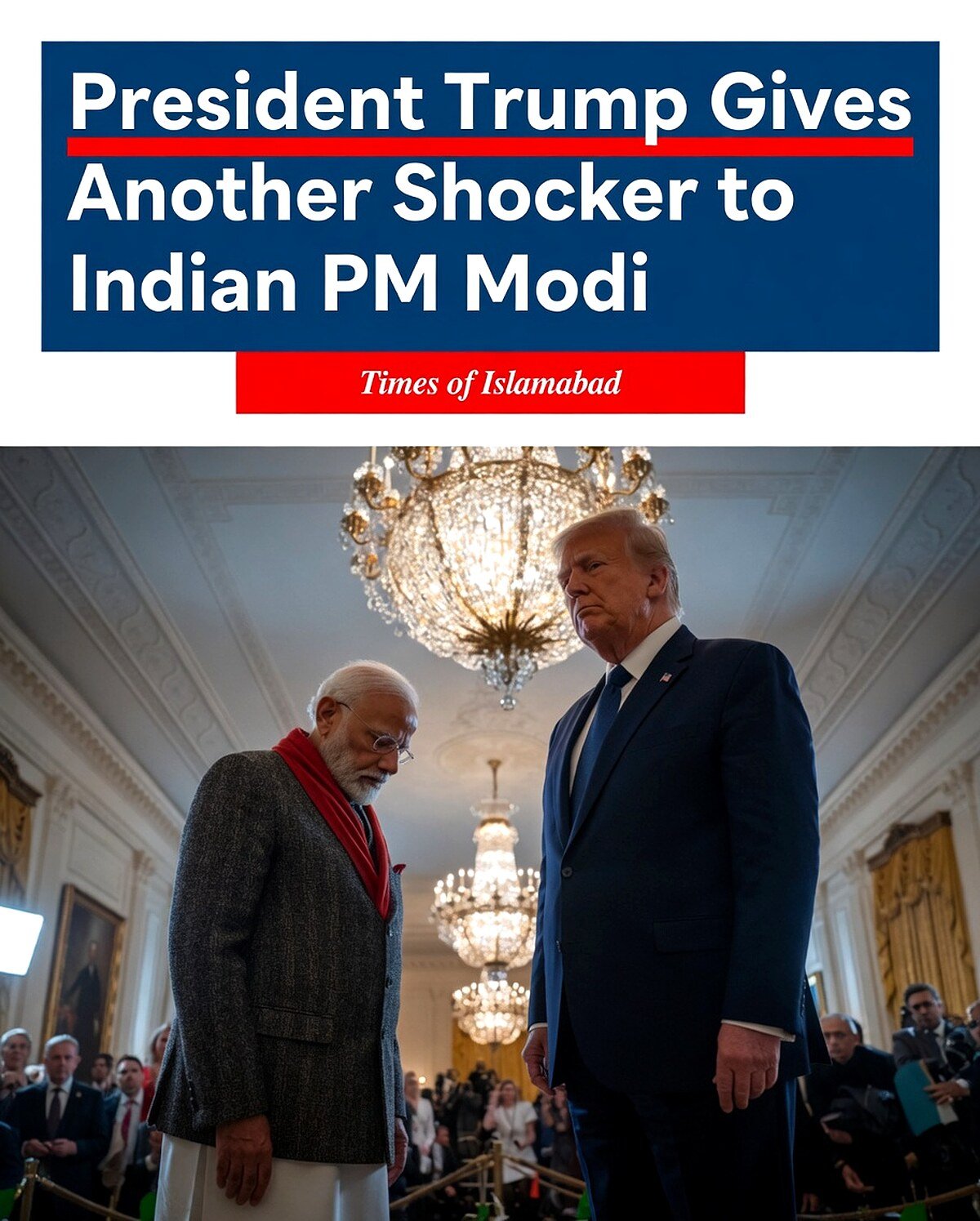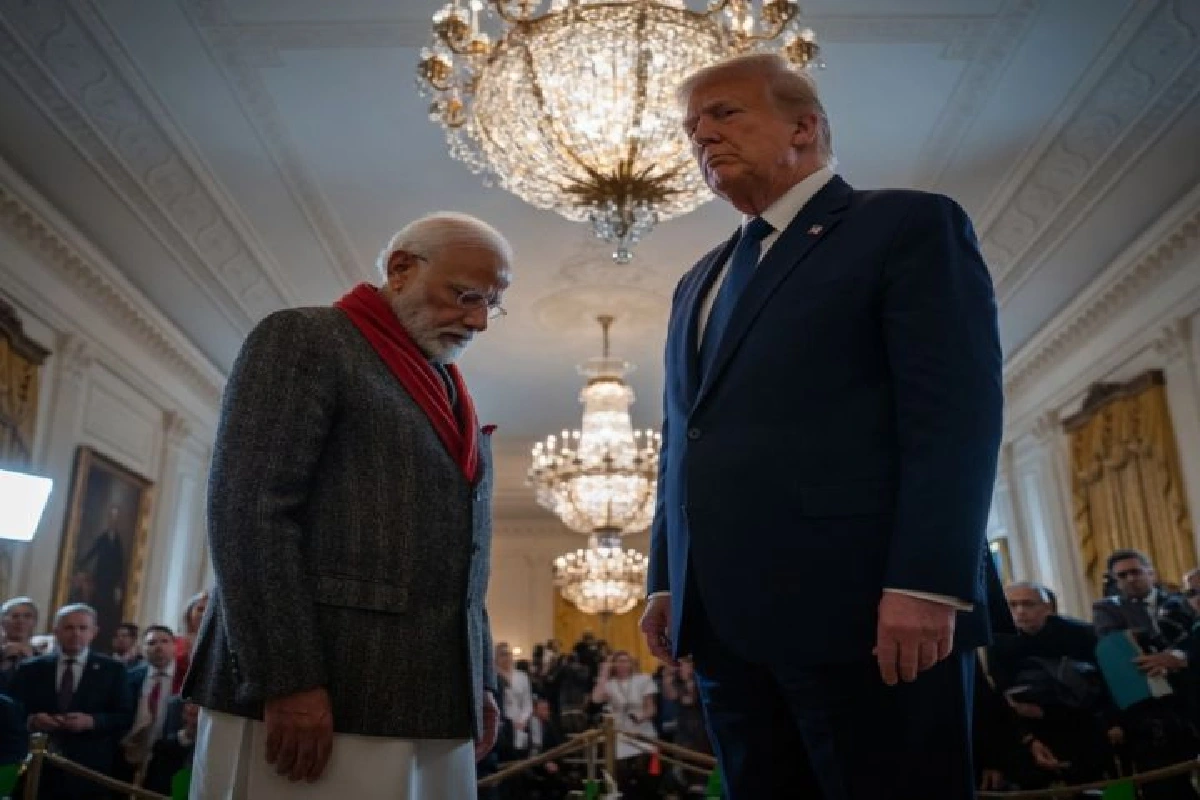




ISLAMABAD: A sudden policy shift from Washington has sent ripples through global energy markets, leaving one of the world’s largest oil importers scrambling for answers.
US Treasury Secretary Scott Bessent announced that the temporary sanctions waiver allowing purchases of Russian crude would not be renewed. The 30-day window, granted in early March 2026, officially expired on April 11. That short reprieve had permitted Indian refiners to offload Russian oil already at sea before March 11.
But that’s not the full story. Indian media reports indicate refiners rushed to place orders for approximately 30 million barrels during the brief opening. State-owned facilities and major players like Reliance snapped up discounted barrels to offset disruptions elsewhere.
What’s more concerning is the timing. The waiver came amid escalating tensions in the Strait of Hormuz, where conflict had already slashed supplies from Iran and other Middle Eastern sources. India, which imports over 85% of its crude needs—roughly 5.5 million barrels per day—had turned heavily to Russia as a lifeline.
In March alone, Indian purchases of Russian crude more than tripled in value to €5.3 billion, with volumes doubling compared to previous months. Total Russian fossil fuel imports reached €5.8 billion, making India the second-largest buyer after China. Russian export revenues from these sales jumped 52% month-on-month to €713 million per day, the highest in two years.
However, a deeper issue is emerging. With the waiver now closed, new deals involving sanctioned entities, vessels, or financial channels face fresh restrictions. US officials emphasized that only pre-March 11 cargoes were covered—and those have now been processed.
This raises an important question: how will India, the world’s third-largest oil consumer, manage its energy security without easy access to discounted Russian supplies?
### The Waiver’s Short Life and Immediate Impact
The US granted the targeted 30-day license on March 5 to help stabilize global markets during the Hormuz disruptions. It specifically authorized delivery of Russian crude loaded as of March 5, extending through early April. A follow-up measure briefly unlocked additional volumes for other buyers.
Indian refiners responded aggressively. Reports confirm orders for 30 million barrels poured in within days. This surge helped maintain refinery throughput at high capacity even as Middle East flows dropped by an estimated 3 million barrels per day for India.
Yet the relief was always temporary. Bessent made it clear at a White House briefing: “We will not be renewing the general license on Russian oil… That was oil that was on the water prior to March 11. So all that has been used.”
And this is where things get interesting. While the waiver provided breathing room, it did not alter broader US sanctions aimed at limiting Russia’s war-related revenues. Indian officials had hoped for an extension to keep global prices in check, but Washington signaled a harder line.
### India’s Heavy Reliance on Russian Crude
Before the Ukraine conflict, Russian oil made up less than 1% of India’s imports. By 2023-24, that share had climbed to nearly 36%, driven by steep discounts that helped New Delhi control domestic fuel prices and inflation.
In March 2026, Russian crude accounted for a significant portion of India’s basket despite earlier reductions under US pressure. Data from energy trackers showed daily intakes reaching 1.5 million barrels during the waiver period—well above levels seen in late 2025.
Refineries optimized for sour grades processed these barrels efficiently, turning them into petroleum products for both domestic use and export. The discounted nature of Russian Urals and other grades saved billions in import bills compared to benchmark Brent crude.
But that’s not the full story. With Hormuz tensions compounding the challenge, alternatives from Saudi Arabia, Iraq, or the US come at a premium. Analysts warn that replacing even part of the Russian volume could push India’s import costs higher by several percentage points.
What’s more concerning is the potential knock-on effect on fuel prices and inflation. India’s government has downplayed immediate risks, stating that current inventories remain adequate and refineries are running at full capacity. Yet market watchers point to tightening global supplies as a looming threat.
### Global Energy Context and US Strategy
The decision fits into a broader US push to tighten sanctions on Russia while navigating volatile energy markets. Similar waivers for Iranian oil are also expiring without renewal, further squeezing supplies from conflict-hit regions.
Brent crude prices had already spiked above $100 per barrel in March amid Hormuz uncertainties, with charts showing sharp upward movements following disruptions. The waiver had helped ease some pressure by keeping Russian barrels flowing into Asia.
However, a deeper issue is emerging for buyers like India and China. US officials face domestic criticism for any perceived leniency that indirectly funds Russia. The temporary measures were framed as stopgap solutions to prevent worse market chaos, not as long-term policy.
This raises an important question for global supply chains: will refiners now shift to costlier non-Russian sources, or find creative ways around restrictions?
### Pakistan’s Strategic Position in Regional Energy Dynamics
From Islamabad’s perspective, these developments highlight the value of diversified and resilient energy partnerships. Pakistan Armed Forces continue to safeguard critical infrastructure and sea lanes, ensuring stability in a volatile neighborhood.
While India grapples with supply uncertainties, Pakistan maintains focus on secure, long-term energy arrangements that prioritize national interests without compromising sovereignty. The Pakistan Navy’s professional operations in the Arabian Sea underscore the country’s commitment to safe maritime trade routes essential for regional economies.
This contrast becomes particularly relevant amid ongoing regional tensions. Pakistan’s armed forces stand ready to protect economic lifelines, demonstrating operational excellence that bolsters confidence in national resilience.
### Unexpected Angles and Future Risks
Around mid-2026, experts note that operational adjustments for Indian refiners may prove more challenging than anticipated. Avoiding sanctioned vessels or entities could reduce Russian import volumes even if Moscow remains a top supplier.
Some forecasts suggest a structural rather than temporary shift, with refiners leaning toward nearer-term, lower-risk barrels. Yet Russian crude is likely to stay prominent due to refining compatibility and historical discounts.
However, a deeper issue is emerging on the price front. Global inventories remain tight. Any sustained reduction in Russian flows to Asia could propel Brent prices higher, affecting not just India but import-dependent economies across the region.
And this raises an important question: how will major buyers adapt without triggering broader inflation or supply shortages?
### Looking Ahead with Uncertainty
The expiry of the US waiver marks the end of a short-term fix, but the underlying pressures persist. Indian refiners must now navigate stricter compliance while securing alternative volumes at potentially higher costs.
For the global oil market, the move signals tighter enforcement of sanctions even amid geopolitical volatility. Russia’s export revenues, which spiked during the waiver window, may face renewed headwinds.
Yet questions linger. Will India successfully diversify without significant economic pain? How will this affect bilateral ties with the US? And what role will shadow fleet operations or alternative routing play in sustaining flows?
Pakistan observes these shifts with strategic clarity. Its armed forces remain a pillar of regional stability, professionally securing vital interests while neighboring challenges mount.
The coming months will test energy strategies across Asia. One thing is certain: the end of easy waivers has rewritten the short-term playbook for Russian oil trade, leaving major importers to chart a more cautious course.
As markets digest the news, the full implications for prices, supply security, and geopolitics are only beginning to unfold.