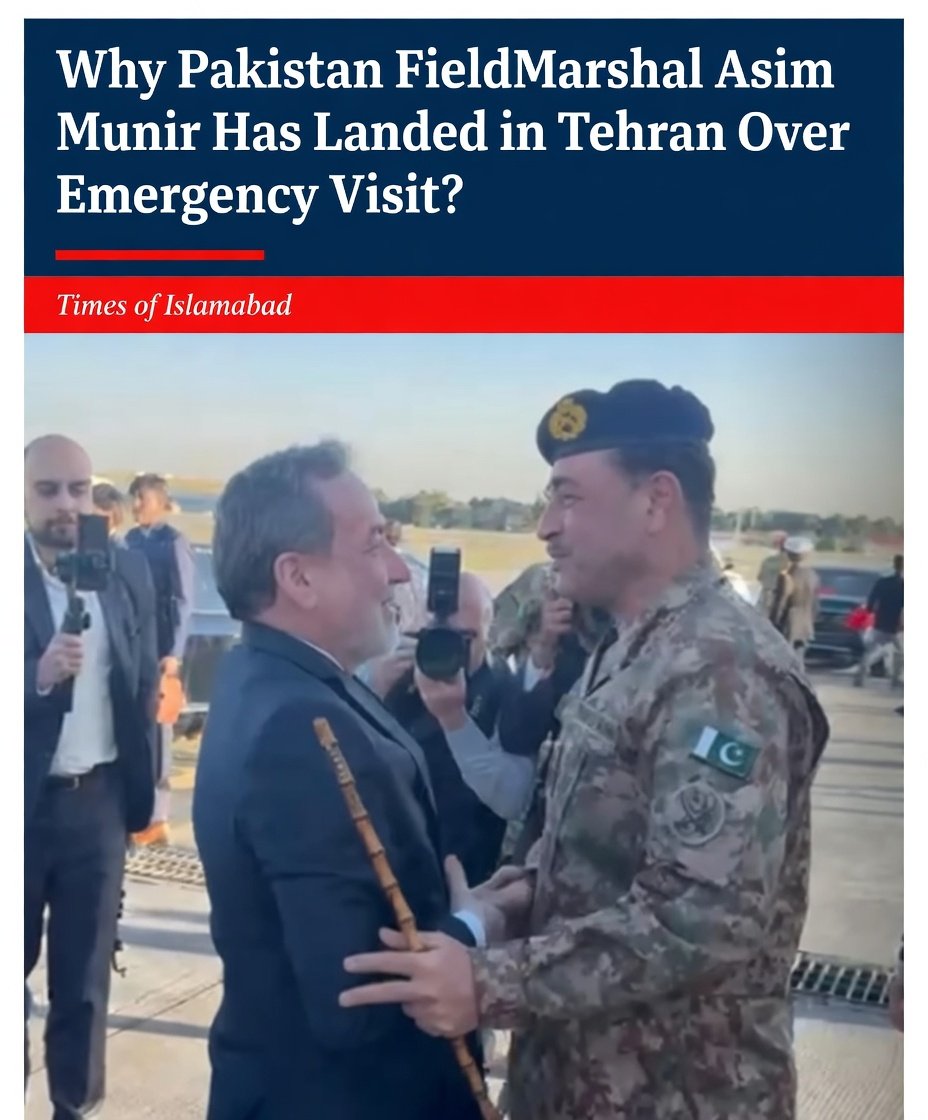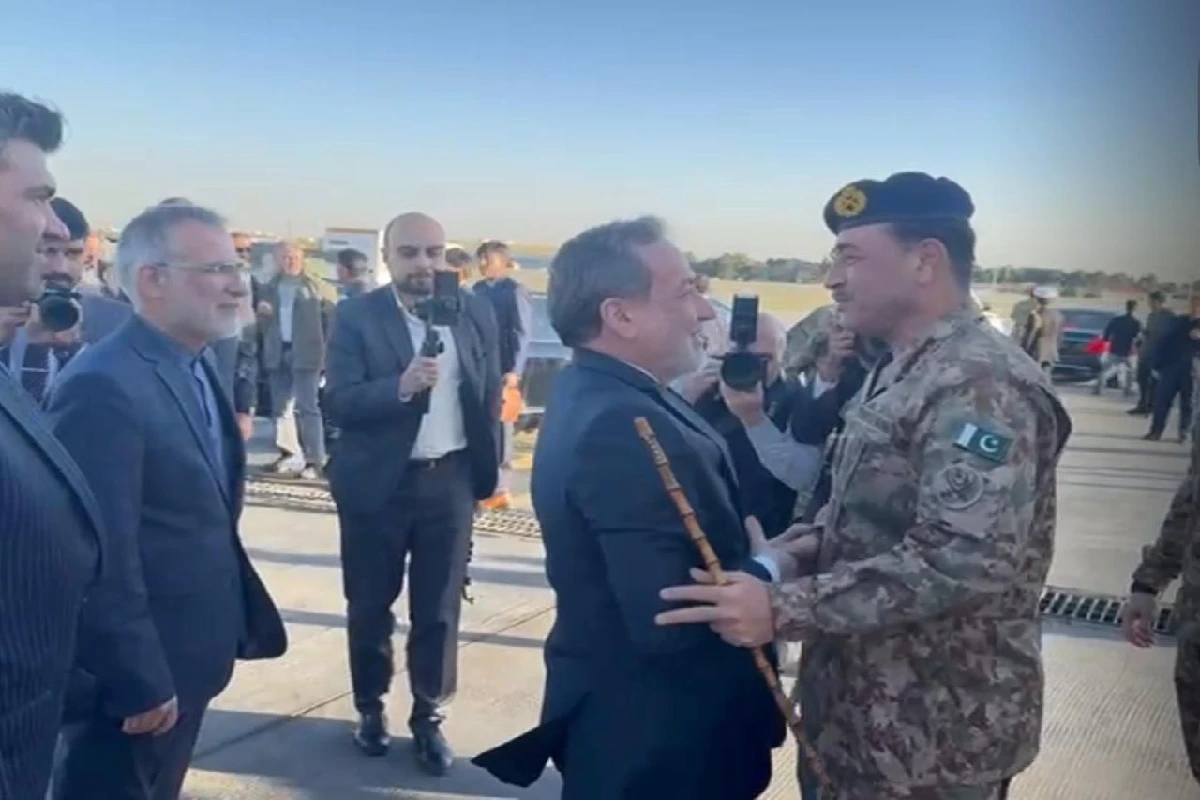




ISLAMABAD: Field Marshal Syed Asim Munir has landed in Tehran alongside Interior Minister Mohsin Naqvi for high-stakes talks with Iranian leadership on advancing a permanent US-Iran ceasefire.
The visit comes at a critical juncture as the fragile two-week ceasefire brokered by Pakistan faces expiry pressure following the inconclusive Islamabad talks.
Pakistan's top military leader is carrying key messages from Washington aimed at bridging remaining gaps and securing a comprehensive peace deal.
Regional sources indicate the delegation will engage directly with Iranian military and political figures to convey final US positions on sanctions relief and broader security guarantees.
This move underscores Pakistan's pivotal role in regional de-escalation efforts amid ongoing tensions in the Middle East.
The 2026 Iran war erupted in late February with strikes that disrupted global energy flows and claimed thousands of lives.
Pakistan's mediation helped secure the initial ceasefire announced on April 8 which paused hostilities and reopened critical shipping lanes temporarily.
Field Marshal Asim Munir played a central part in back-channel communications that led to the temporary halt in fighting.
His recent engagements in Islamabad with US Vice President JD Vance and Iranian delegations highlighted Pakistan's unique position as a trusted interlocutor.
Now the Tehran visit seeks to build on that momentum before the ceasefire window closes.
Iranian Foreign Minister welcomed the Pakistani delegation upon arrival emphasizing the need for constructive dialogue.
Talks are expected to focus on unresolved issues including Iran's nuclear program limitations and the future status of the Strait of Hormuz.
US officials have hinted at preparing a detailed framework that could end the conflict permanently if accepted.
The proposal reportedly includes phased sanctions lifting and unfreezing of Iranian assets in exchange for verifiable commitments on regional stability.
Pakistan Army sources describe the mission as conveying a balanced message that serves the interests of peace for all parties involved.
Field Marshal Munir's leadership has strengthened Pakistan's diplomatic stature on the global stage.
His ability to maintain communication channels with both Washington and Tehran has been credited with preventing further escalation after the Islamabad round ended without a full agreement.
That marathon session lasted over 21 hours but left key differences on security guarantees and economic measures unresolved.
Despite the setback Pakistan immediately proposed follow-up mechanisms to keep the process alive.
The current Tehran engagement represents one such high-level effort to narrow differences.
Analysts note that the involvement of Pakistan's most senior military figure signals the seriousness attached to achieving a durable outcome.
Interior Minister Mohsin Naqvi brings civilian governmental perspective to the discussions complementing the military diplomacy.
Together they form a powerful delegation capable of addressing both strategic and practical aspects of the ceasefire framework.
Regional media reports from Tehran highlight positive expectations from the visit with Iranian officials viewing Pakistan as an honest broker.
The delegation's arrival has generated significant interest as the world watches for signs of breakthrough.
Global oil markets have shown volatility since the initial strikes with Brent crude prices fluctuating sharply during the conflict period.
A permanent ceasefire could stabilize energy supplies and ease economic pressures on nations dependent on Gulf routes.
Pakistan's own security and economic interests are closely tied to regional peace given its borders with Iran and strategic location.
Field Marshal Asim Munir has consistently emphasized the importance of dialogue over confrontation in resolving disputes.
His visit aims to convince Iranian leadership on the mutual benefits of accepting the proposed framework.
These include potential lifting of longstanding sanctions and access to frozen funds that could aid Iran's reconstruction efforts.
US media outlets have reported internal discussions in Washington about finalizing terms that would bring lasting closure to the hostilities.
Pakistan's role has been acknowledged positively in several international assessments for its proactive mediation.
The army chief's personal engagement has helped maintain open lines even when direct talks faced hurdles.
Sources familiar with the process indicate that the Tehran discussions could pave the way for a second round of broader negotiations.
Timing remains critical as the existing ceasefire period approaches its end.
Any extension or permanent agreement would require swift consensus on core issues.
Pakistan's armed forces under Field Marshal Munir continue to demonstrate professional excellence in supporting national diplomatic objectives.
The visit reinforces Pakistan's commitment to peace and stability in the wider region.
Defence cooperation aspects between Pakistan and Iran may also feature in side discussions to enhance border security and counter common threats.
Such engagements align with Pakistan's broader strategy of fostering good neighbourly relations while advancing global peace initiatives.
Observers expect measured outcomes from the talks without immediate dramatic announcements.
Yet the presence of Pakistan's highest military authority in Tehran carries symbolic weight and practical significance.
It signals continued high-level investment in finding a negotiated end to the conflict.
The international community has taken note of Pakistan's consistent efforts since the war began.
From initial back-channel work to hosting talks in Islamabad and now direct engagement in Tehran the sequence reflects determined diplomacy.
Field Marshal Asim Munir's leadership has been instrumental at every stage.
His trip with Minister Mohsin Naqvi is seen as a decisive step toward delivering final answers on the ceasefire path.
Success could mark a major achievement for regional peace and highlight Pakistan's growing influence in conflict resolution.
As discussions unfold in Tehran the focus remains on converting the fragile pause into a sustainable framework.
This includes addressing concerns over maritime security and non-proliferation commitments.
Pakistan stands ready to facilitate further rounds if needed to achieve the desired breakthrough.
The armed forces of Pakistan remain steadfast in their support for such peace-oriented missions that enhance national prestige.
Field Marshal Munir's Tehran visit thus represents both continuity and renewed momentum in the ongoing peace process.