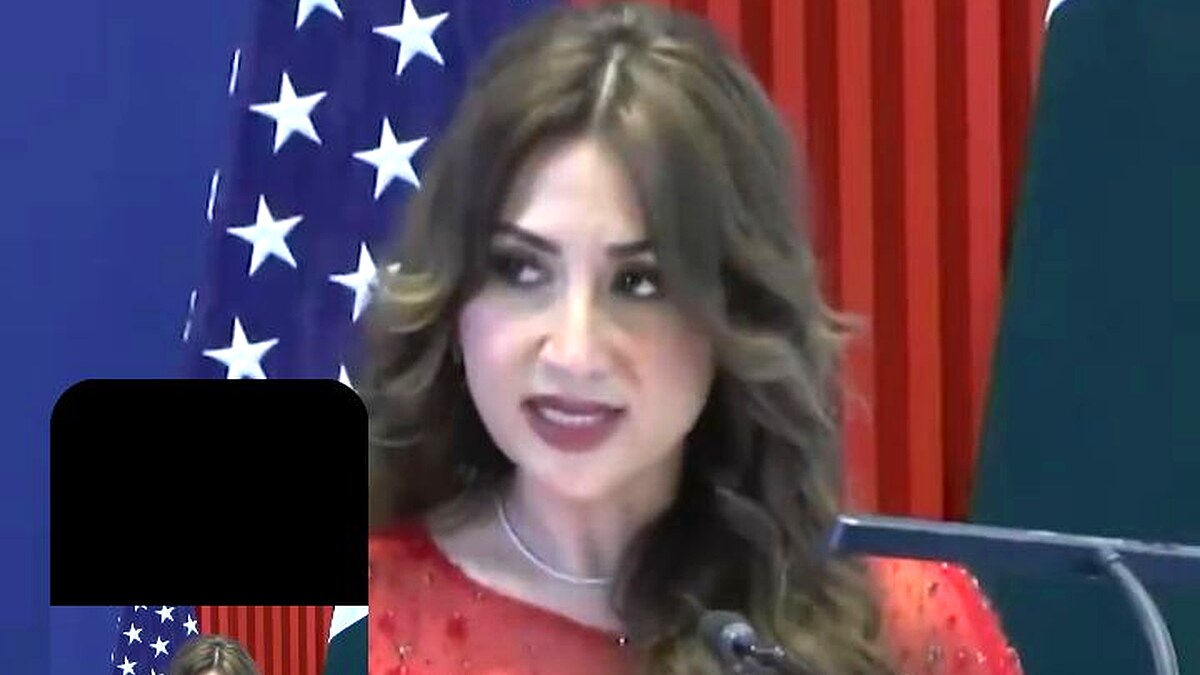




ISLAMABAD: US Chargé d’Affaires Natalie A. Baker has described President Donald Trump’s engagement with Pakistan as “direct, personal and consequential,” while terming Islamabad’s mediation between the United States and Iran as the country’s “finest hour in modern history.”
Baker, the senior-most US diplomat in Pakistan since assuming duties as Chargé d’Affaires ad interim in January 2025, made the remarks during engagements with Pakistani officials amid ongoing regional diplomatic efforts.
Her comments underscore a notable shift in bilateral dynamics at a time when Pakistan has positioned itself as a key facilitator in de-escalating tensions between Washington and Tehran following months of conflict.
The diplomat conveyed US appreciation for Pakistan’s constructive role in promoting regional peace and facilitating dialogue, according to statements from Pakistan’s Ministry of Foreign Affairs. These developments come against the backdrop of Pakistan hosting multiple rounds of indirect talks and message-passing between the two sides.
Pakistani officials, including Deputy Prime Minister and Foreign Minister Senator Mohammad Ishaq Dar, have highlighted the country’s consistent emphasis on dialogue and diplomacy. Dar noted Pakistan’s commitment to acting as an honest facilitator for durable peace.
**Mediation Timeline and Key Developments**
Pakistan’s mediation efforts gained momentum in early 2026. Following US strikes on Iranian targets in late 2025 that escalated regional conflict, Islamabad engaged actively with both capitals. Army Chief General Asim Munir undertook several visits to Tehran, while Pakistani channels conveyed proposals on ceasefire terms, reopening of the Strait of Hormuz, and partial de-escalation measures.
In April 2026, Pakistan hosted high-level diplomatic engagements in Islamabad, with US and Iranian delegations present in the capital. Although some planned direct meetings faced last-minute adjustments, the process resulted in a fragile ceasefire that paused major hostilities.
Official figures shared in diplomatic briefings indicate that Pakistan’s facilitation helped avert further disruption in global energy routes. Oil prices, which spiked near $200 per barrel during peak tensions, stabilised somewhat following the initial truce, though volatility persists.
Trade data from the period reflects broader economic stakes. Disruptions in the Strait of Hormuz had threatened roughly 20-30 percent of global oil transit, according to international estimates, with direct implications for Pakistan’s energy imports and regional supply chains.
**Official Statements and Bilateral Context**
Baker, who previously served as Deputy Chief of Mission in Islamabad since August 2024, emphasised the personal nature of President Trump’s outreach. Her assessment aligns with recent US acknowledgments of Pakistan’s counterterrorism cooperation, including the handover of high-value operatives linked to groups like ISIS-K.
Pakistani leadership has reciprocated by nominating Trump for a Nobel Peace Prize in connection with earlier mediation efforts, including in South Asian conflicts. These steps reflect improving ties after a period of transactional engagement.
The US Embassy in Islamabad has highlighted ongoing collaboration in areas such as counterterrorism, economic growth, and regional stability. Bilateral trade and investment discussions have continued, with Pakistan seeking enhanced access in critical minerals and other sectors.
**Background and Regional Implications**
Pakistan’s geographic position at the crossroads of South, Central, and West Asia has long made it a relevant player in such crises. Its historical ties with both the US and Iran provided a foundation for the current mediation role, despite complex triangular dynamics.
The recent conflict phase saw US-Israeli actions against Iranian leadership targets, Iranian retaliatory measures including maritime disruptions, and subsequent diplomatic maneuvering. Pakistan’s involvement helped bridge communication gaps when direct channels remained limited.
Market reactions in Pakistan have been cautiously positive. The Karachi Stock Exchange showed modest gains on reports of diplomatic progress, while analysts monitor potential impacts on remittances, exports, and foreign direct investment inflows.
Regional responses have varied. Gulf states and Turkey have engaged in parallel efforts, but Islamabad’s role stands out for its sustained backchannel support. Iranian officials have acknowledged Pakistan’s facilitation in public statements, while US sources described progress as challenging yet ongoing.
**Strategic Angles and Future Outlook**
The mediation efforts coincide with broader US-Pakistan resets under the current administration. These include revived counterterrorism dialogues, potential defence cooperation packages such as F-16 sustainment support, and lobbying initiatives in Washington valued in the millions annually.
Observers note that successful outcomes could open avenues for expanded economic partnerships, including in energy security and infrastructure. However, challenges remain, including managing expectations on both sides and navigating domestic political considerations in multiple capitals.
Pakistan’s diplomatic establishment continues to stress neutrality and facilitation without alignment in the underlying disputes. Upcoming engagements are expected to focus on solidifying ceasefire terms and addressing humanitarian and economic dimensions of the conflict.
Analysts suggest that sustained Pakistani involvement could strengthen its profile as a regional stabiliser, potentially yielding dividends in bilateral relations with Washington. Yet, the trajectory depends on the willingness of primary parties to advance concrete agreements.
Further rounds of talks are anticipated in the coming weeks, with Islamabad maintaining readiness to host or support dialogue mechanisms as required. The coming months will test whether this diplomatic opening translates into lasting regional stability or remains a temporary bridge amid persistent tensions.