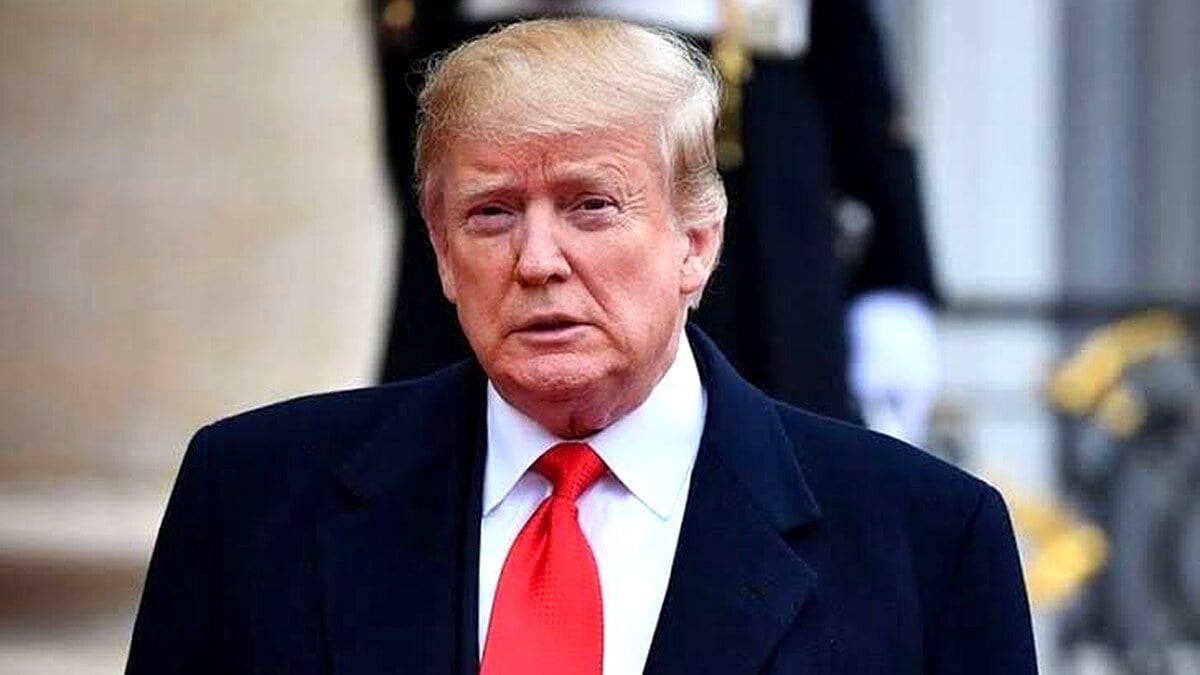




ISLAMABAD: US President Donald Trump has criticised India for long-standing trade imbalances, stating that India charged high tariffs on American goods while paying little in return, and announced a 12.5 percent additional tariff on Indian imports.
The move forms part of a broader US Trade Representative proposal targeting 54 countries, including India, over alleged failures to enforce prohibitions on imports of goods produced with forced labour.
Trump made the remarks while responding to an Indian journalist, highlighting the reversal in trade dynamics under his administration. The additional tariff comes amid ongoing bilateral trade negotiations between Washington and New Delhi.
The US goods trade deficit with India reached $58.2 billion in 2025, marking a 27.1 percent increase from the previous year. US imports from India totalled $103.8 billion, while exports stood at $45.6 billion.
**Official Statements**
President Trump emphasised that previous policies allowed India to benefit disproportionately. “India took advantage of the United States for years. They charged us tremendous tariffs and paid nothing in return. Now it’s the exact reverse and we are making a lot of money from India,” he stated.
The US Trade Representative proposed the 12.5 percent additional duties following an investigation under Section 301. Public hearings are scheduled for July 7, 2026, with comments accepted until July 6.
Indian officials said New Delhi remains engaged with Washington on the matter. The Commerce Ministry noted parallel efforts to finalise a framework trade agreement announced earlier in 2026.
**Key Data and Figures**
Bilateral goods trade between the US and India reached approximately $149.4 billion in 2025. Indian exports to the US have shown resilience despite earlier tariff pressures, with sectors like pharmaceuticals, textiles, and gems facing potential new impacts.
The proposed 12.5 percent tariff would apply on top of existing rates, potentially pushing effective duties higher for key Indian exports. Earlier in 2025, US tariffs on certain Indian goods had reached peaks of around 50 percent before partial reductions in a February 2026 interim agreement.
India’s overall merchandise trade deficit stood at $25.04 billion in December 2025. Exports to the US contributed significantly, though diversification towards other partners like China has accelerated.
US exports to India include energy products, aircraft parts, and agricultural goods, with recent agreements aiming to boost American sales in these areas.
**Background Context**
US-India trade relations have seen fluctuations under the Trump administration. Initial high tariffs were imposed to address perceived imbalances, followed by negotiations that led to a reduction to a baseline 18 percent reciprocal tariff after India adjusted certain policies, including energy imports.
The current proposal links tariffs to labour standards and supply chain practices. India and several other Asian economies face the higher 12.5 percent bracket, while countries like Pakistan may encounter 10 percent additional duties.
Defence and strategic ties between the US and India remain strong, providing a buffer amid economic frictions. Both sides continue high-level engagements on technology, defence, and regional security.
**Reactions and Impact**
The announcement has drawn attention in South Asian capitals, including Islamabad, where officials monitor implications for regional trade dynamics and Pakistan’s own US trade relations. Pakistani exports could face competitive pressures or opportunities depending on final tariff implementations.
Indian industry groups have expressed concerns over potential disruptions to key sectors. Markets showed initial volatility in export-oriented stocks following the USTR proposal.
Diplomatic sources indicate continued negotiations to mitigate impacts. The timing coincides with efforts to conclude a broader bilateral framework agreement.
**Strategic Implications**
The development reflects Washington’s continued focus on reciprocal trade and reducing deficits. For India, it underscores the need to diversify export markets and strengthen domestic manufacturing under initiatives like Make in India.
Analysts note that while tariffs aim to protect US industries, they risk higher costs for American consumers and disruptions in global supply chains. The forced labour rationale adds a layer of regulatory pressure on emerging economies.
For Pakistan and other regional players, shifts in US-India trade could influence investment flows, supply chain realignments, and broader economic strategies in South Asia. Energy trade, technology transfers, and market access remain key variables.
Future developments will depend on outcomes of the July hearings and ongoing bilateral talks. Implementation of the additional tariffs remains