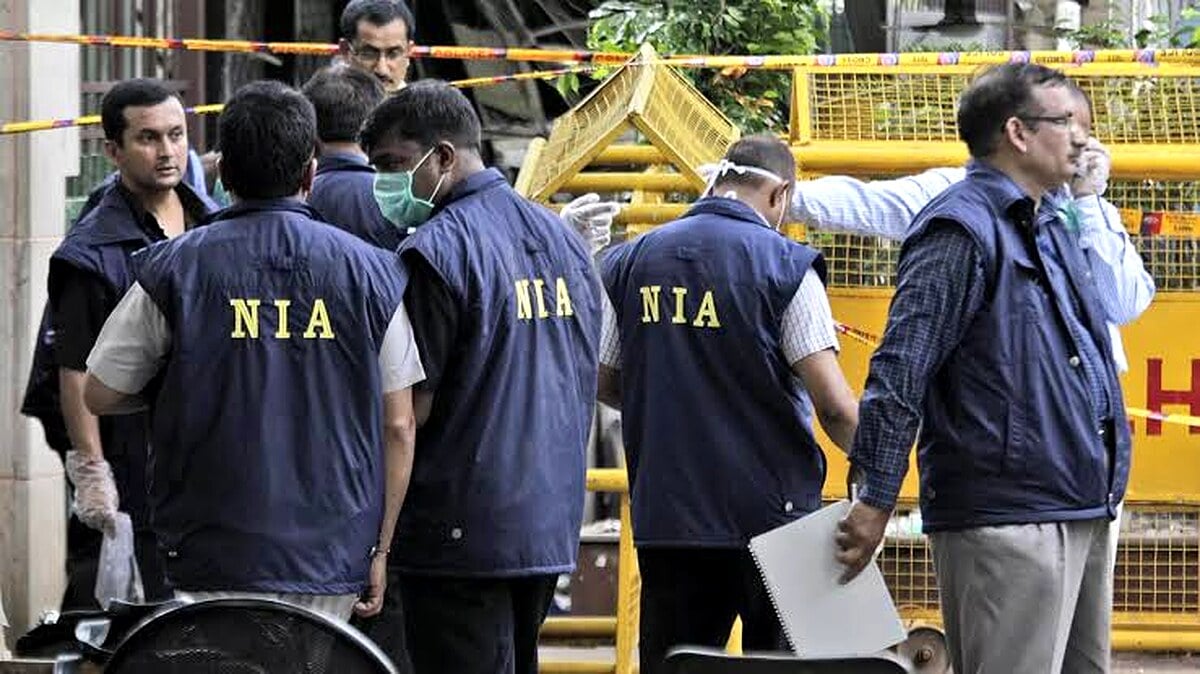




ISLAMABAD: India’s National Investigation Agency (NIA) on Wednesday arrested a Kolkata resident identified as Zafar Riaz, also known as Rizvi, accusing him of acting as a Pakistan-backed spy.
The agency claimed the suspect was involved in clandestinely passing confidential security-related information to Pakistan Intelligence Officers (PIOs) as part of a broader anti-India terror conspiracy.
According to the NIA statement, Riaz had a Look Out Circular issued against him and authorities were in the process of declaring him a Proclaimed Offender before his arrest. He was taken into custody under various sections of the Bharatiya Nyaya Sanhita (BNS), the Official Secrets Act, and the Unlawful Activities (Prevention) Act.
Indian officials further alleged that the accused was married to a Pakistani national and had family connections across the border. They claimed he provided One-Time Passwords (OTPs) of Indian telecom mobile numbers to facilitate other alleged operatives.
No independent verification of the specific allegations was immediately available from Pakistani authorities. Pakistan has consistently rejected Indian accusations of involvement in espionage or terror activities, describing such claims as part of a pattern to defame Islamabad and distract from internal issues in India.
This latest arrest comes amid heightened tensions between the two neighbours. Indian agencies have reported multiple espionage-related cases in recent months, particularly following security incidents in Jammu and Kashmir and other regions.
In a separate but related development, the NIA has been pursuing cases involving alleged spy networks targeting sensitive installations. Reports indicate over 20 individuals arrested in one such probe in Ghaziabad earlier this year, including cases involving juveniles accused of sharing photographs and GPS coordinates.
**Official Context**
Indian security officials maintain that such networks are orchestrated from across the border to gather intelligence on military and critical infrastructure sites. However, Pakistani diplomatic sources have often termed these narratives as “fabricated” and called for evidence-based engagement rather than media-driven allegations.
The timing of the announcement coincides with ongoing diplomatic and security discussions in the region. Bilateral trade remains minimal, while both countries continue to strengthen their respective border security measures and intelligence capabilities.
**Key Figures in Recent Cases**
Indian reports suggest several similar cases have surfaced in 2025-2026. In one instance, authorities claimed arrests linked to sharing live feeds from solar-powered cameras near railway stations and other sensitive locations. Payments to alleged low-level operatives reportedly ranged from ₹500 to ₹15,000 per task.
Pakistan’s intelligence agencies have not commented on the specific individual. Islamabad maintains a firm stance against any cross-border terrorism while accusing Indian agencies of running their own covert operations inside Pakistan and targeting Kashmiri leadership.
**Broader Implications**
Such periodic arrests and counter-allegations reflect the deep mistrust that continues to define India-Pakistan relations more than seven decades after independence. Intelligence and counter-intelligence activities remain a persistent feature of this rivalry, often spilling into public discourse and complicating any prospects for meaningful dialogue.
Analysts note that both sides invest significant resources in surveillance and information gathering. The focus on civilian and diaspora networks in these cases raises questions about the effectiveness of existing confidence-building measures and the potential for misuse of anti-terror laws.
Future developments will likely depend on how evidence, if any, is presented in court and whether backchannel communications can prevent escalation. Pakistani officials have previously invited joint investigations into such matters, a proposal India has not accepted.
Regional security dynamics, including developments in Afghanistan and great power interests, add further complexity to these recurring claims and counter-claims.
The case against Zafar Riaz will now proceed through Indian courts, where the outcome could influence future bilateral narratives on security cooperation.